There are airline delays, and then there are delays that make you stop and think: How did this even happen?
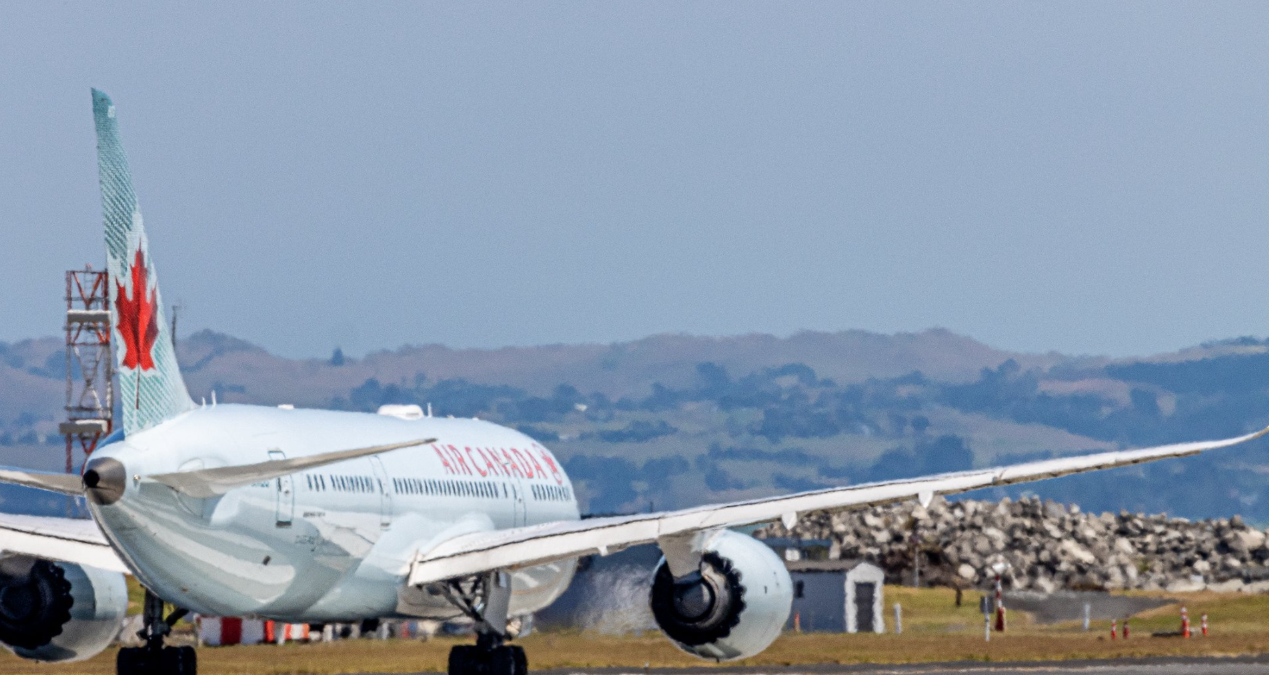
The recent incident involving Air Canada Flight AC1502 is firmly in the second category.
According to reports and a now-viral video, a ground crew member was accidentally trapped inside the cargo hold of a flight departing Toronto Pearson Airport for Moncton on Dec. 13, 2025. The aircraft had already begun taxiing when banging and cries for help were reportedly heard from beneath the plane. Eventually, the aircraft returned to the gate, the cargo doors were opened, and thankfully the worker was found safe and unharmed.
Air Canada has confirmed the incident, stating that the cargo doors were inadvertently closed while the ground crew member was still inside and that the situation is now under investigation. No injuries occurred. On paper, that sounds like the best possible outcome. But the fact that this could happen at all is deeply unsettling.
Aviation is built on layers of redundancy. Checklists, procedures, cross-checks these are not optional safeguards but the backbone of an industry where even small mistakes can have catastrophic consequences. A ground crew member being trapped in a cargo hold suggests a breakdown not just of one step, but of multiple safety barriers that are supposed to prevent exactly this scenario.
What makes this incident even more troubling is how routine the operation was. This wasn’t a storm diversion or a mechanical emergency mid-air. It was a standard domestic flight, at a major international airport, operated by a national carrier. If something this basic can slip through the cracks, it naturally raises uncomfortable questions about training, staffing pressures, communication, and whether ground operations are being pushed to move too fast.
Online reactions reflect that unease. Many commenters especially those claiming experience in ground handling expressed shock rather than surprise. That distinction matters. Shock implies this should not happen, even if insiders know how close operations sometimes run to the edge.
Passengers, meanwhile, were told the delay was outside the airline’s control, and the flight ultimately did not reach Moncton that day. From a customer perspective, that explanation may feel hollow. When human error or procedural failure is involved, “outside our control” sounds less like transparency and more like deflection.
To be clear, this is not about vilifying one airline or one crew. Aviation workers, both in the air and on the ground, operate under intense pressure and tight timelines. But that is precisely why incidents like this demand serious scrutiny. Investigations should not only identify what went wrong, but also whether systemic issues such as understaffing, fatigue, or rushed turnarounds played a role.
The good news is that no one was hurt. The bad news is that safety lessons often come only after something goes wrong. The real test for Air Canada, and the industry more broadly, will be whether this incident leads to meaningful changes or quietly fades once the headlines move on.
Because next time, luck might not be enough.