Bonnie Crombie’s Exit Closes One Chapter, But the Ontario Liberals’ Real Test Is Still Ahead
Arafat Rahman
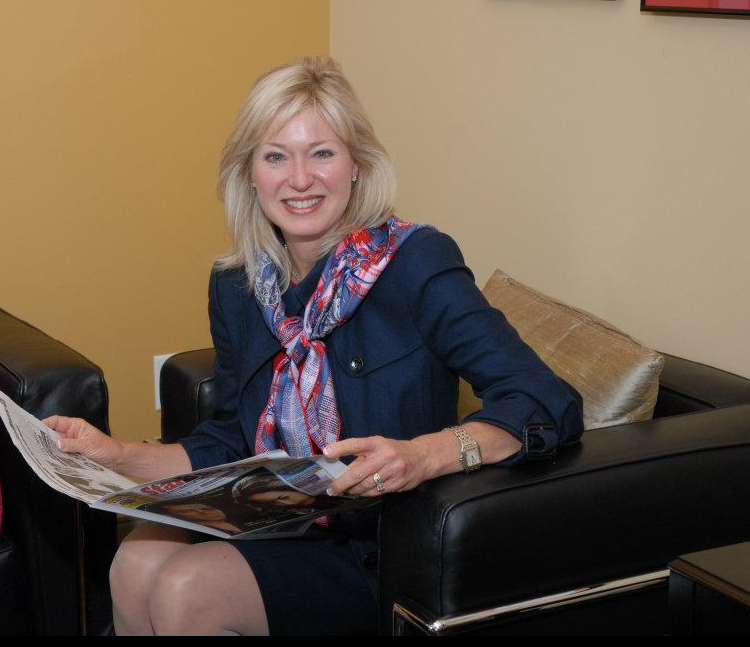
Bonnie Crombie’s decision to step aside immediately as leader of the Ontario Liberal Party feels less like a surprise and more like the final punctuation mark on a sentence that had already run its course.
When Crombie announced back in September that she would resign following a weak leadership review, the damage was already done. The party may have technically endorsed her but when 57 per cent of delegates say they don’t want to replace the leader, that is hardly a ringing vote of confidence. It was a political shrug, not a mandate.
At the time, Crombie tried to strike a careful balance. She said she would stay on, learn from the results, and continue rebuilding the party after restoring official status earlier this year. Within hours, that resolve cracked. Her announcement that she would resign but only after a successor was chosen felt like a compromise designed to save face rather than restore momentum.
Since then, Crombie’s absence from party events spoke louder than any statement ever could. Leadership is not just a title; it is presence, energy, and visibility. By the time she confirmed this week that she would step down immediately, the Ontario Liberals were already functioning like a party in limbo.
To be fair, Crombie’s tenure was not without achievement. Returning the Liberals to official party status after years in the wilderness was no small feat. But politics is unforgiving, and success is measured not just in institutional milestones but in electoral credibility. Crombie failed to win her own seat and could not deliver a single victory in Mississauga her political home turf. For a party desperate to prove it can once again govern, that failure lingered heavily.
Her resignation now clears the way for what truly matters: a reckoning over the party’s identity and direction.
Party president Kathryn McGarry’s confirmation that an interim leader will be appointed, followed by a full leadership race, offers stability on paper. In reality, the coming months will determine whether the Ontario Liberals can translate organizational recovery into political relevance.
Several names are already circling. Nate Erskine-Smith, who finished second to Crombie in 2023, is assembling a team and clearly positioning himself for another run. Caucus members Lee Fairclough and Rob Cerjanec have signaled serious interest. Former party president Mike Crawley is reportedly weighing his options. Ted Hsu, having placed fourth last time, has wisely opted out.
This growing field is both a strength and a risk. On one hand, it signals renewed interest and ambition within a party that once struggled to fill a debate stage. On the other, leadership races can expose fractures ideological, generational, and strategic that the party can ill afford if it hopes to challenge Doug Ford’s Progressive Conservatives or carve space between the PCs and the NDP.
Crombie’s departure should not be viewed as an ending, but as an opportunity. The Liberals have rebuilt the scaffolding of a serious party. What they lack is a compelling vision that resonates beyond delegates and donors. The next leader must do more than manage a comeback narrative; they must articulate why Ontario needs a Liberal government again and why this Liberal Party is different from the one voters rejected.
Immediate resignation brings clarity. It removes the awkward pause that had settled over the party since September. But clarity alone is not momentum. That will depend on whether the leadership race produces not just a winner, but a unifier someone who can turn internal competition into public purpose.
Bonnie Crombie’s chapter is now closed. The question is whether the Ontario Liberals can finally start writing the next one with confidence or whether this transition becomes yet another moment of promise that fades before the next election arrives.