Toronto Health Board Calls for Study on Billy Bishop Airport Expansion Risks
Arafat Rahman
Toronto’s local board of health is demanding a thorough investigation into the health consequences of the Ford government’s plan to expand Billy Bishop Airport, as community anxiety grows over what residents are calling an unacceptable risk to downtown neighbourhoods.
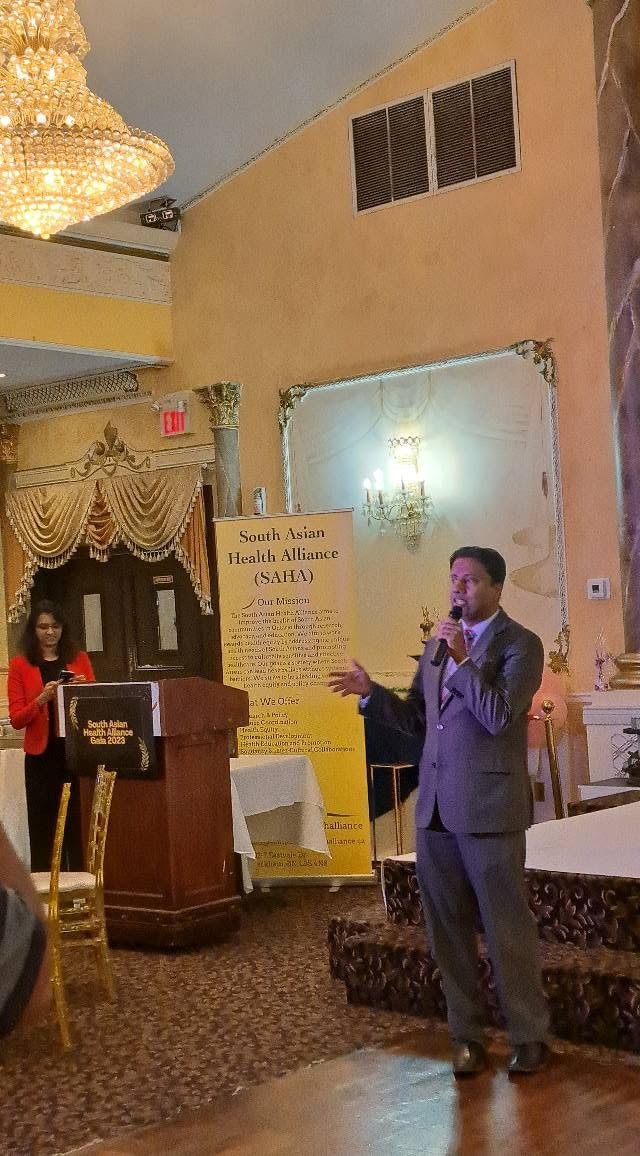
At a board of health meeting Monday, the room filled with residents, health professionals, and community voices many of them urging caution before any expansion moves forward. Concerns raised ranged from the effects of ultrafine air particles on lung and heart health to more unexpected worries, including possible links to ADHD and memory problems.
Toronto’s medical officer of health, Dr. Michelle Murti, has now been directed to produce a formal health impact study, working in conjunction with Health Canada. The focus will be on what a larger, busier airport could mean for cardiovascular and respiratory health in one of Canada’s most densely populated urban corridors.
“We’re trying to understand to what degree health impact is going to have,” Dr. Murti said following the meeting.
The urgency stems from Queen’s Park moving quickly and decisively. During the spring legislative session, Premier Doug Ford’s government passed legislation stripping the City of Toronto of its oversight role at Billy Bishop, while also granting the province sweeping expropriation powers over large portions of Toronto Island. A special economic zone designation is also in the works a move critics say would allow the province to sidestep both municipal and provincial planning laws to accelerate construction.
No public consultations were held. The Ford government has defended that approach by pointing to internal polling it says shows over 70 per cent of respondents support the expansion.
Transportation Minister Prabmeet Sarkaria has framed the project in nation-building terms, particularly against the backdrop of ongoing economic tensions with the United States. “Leaders across this country are talking about nation-building projects,” Sarkaria said in June. “Billy Bishop will help support that and continue to improve our competitiveness across the world.”
But for many who live in the shadow of the airport’s flight paths, the economic pitch rings hollow without hard answers on public health. Research already conducted in the area paints a concerning picture. University of Toronto engineering professor Greg Evans, whose team studied air quality near the airport, told Global News that ultrafine particle levels spiked measurably with each flight when wind carried emissions toward the surrounding community.
“When we did our study, we could see a rise of ultrafine particles for each flight when wind was blowing from the airport to the community,” Evans said. Ultrafine particulates are associated with a range of serious illnesses, and a larger airport would mean significantly more flights — and potentially far greater exposure.
Downtown councillors say their inboxes and phone lines reflect the unease. Chris Moise, who chairs the Toronto Board of Health, described the pressure he and his colleagues are facing from constituents. “They’re saying, ‘Councillor, stand up and say to the province and the federal government we don’t want this expansion,'” he said.
With the province showing little sign of slowing down, health advocates are hoping Dr. Murti’s forthcoming study will provide the kind of evidence-based reckoning that political debate alone has so far failed to deliver.