Prime Minister Mark Carney’s first full budget was pitched as a responsible reset a plan to “right size” government while protecting the social programs Canadians cherish. But the Parliamentary Budget Office has now poured a cold bucket of reality over those assurances. According to its latest assessment, Ottawa has “limited room to cut taxes or increase spending,” and the government’s long-promised fiscal anchors are already wobbling.
For months, Carney has insisted that his government would spend smarter, not bigger, and steer the country toward a declining debt path. Yet Budget 2025 tells a different story. The federal debt-to-GDP ratio the key metric Carney has regularly pointed to is no longer projected to fall meaningfully over the medium term. It is set to remain largely flat for decades. That might not sound alarming, but for a government that claimed it would balance its operational budget in three years and reduce debt steadily, it’s a significant retreat.
The PBO makes the stakes clear: if the government hopes to stabilize debt by 2055–56, its flexibility to cut taxes or introduce new spending is virtually nonexistent. In other words, the room for bold new initiatives is shrinking fast. This is a sharp contrast from the past few years, when Canada still had fiscal breathing space to respond to crises or economic shocks.
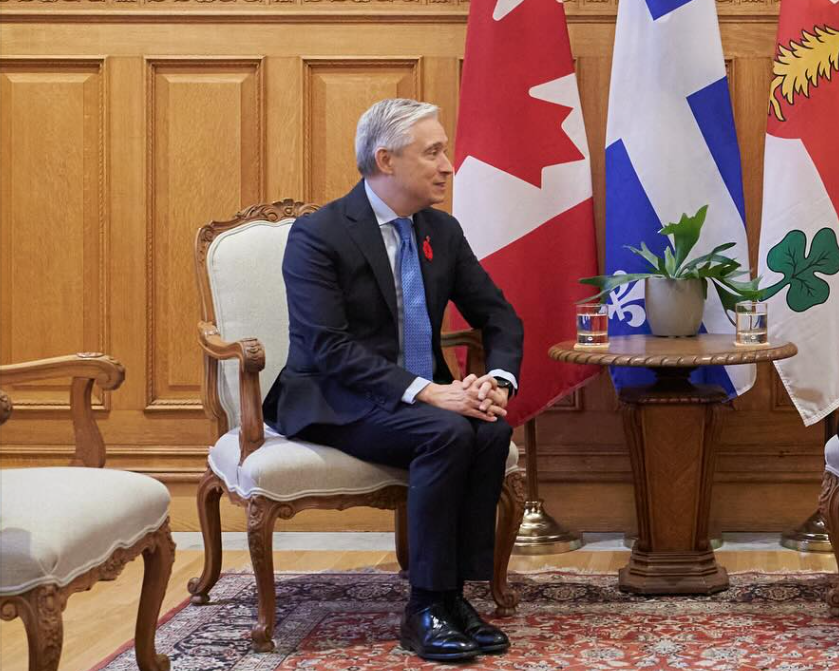
Carney, speaking in Montreal, attempted to frame Budget 2025 as a careful balancing act preserving childcare, dental care, pharmacare, and the national school food program while keeping provincial transfers intact. These are undeniably popular programs, and few Canadians would argue against their value. But the question is not whether they matter; it is whether the government can maintain them while still claiming fiscal discipline.
Conservative Leader Pierre Poilievre seized on the PBO’s findings, accusing Carney of “phoney accounting” and breaking election promises. While the political rhetoric is predictable, the underlying concern isn’t: the PBO says there is only a 7.5% chance the deficit-to-GDP ratio will fall every year from 2026 to 2030. That means Carney’s fiscal anchor the very benchmark he set is unlikely to hold.
There is also the matter of transparency. The PBO found the government’s definition of capital expenses to be “overly expansive,” inflating the amount Ottawa can classify as long-term investment rather than regular spending. Budget 2025 claims $311 billion in capital investments over six years; the PBO estimates the true figure is closer to $217 billion. That’s a $94-billion gap not exactly pocket change. If Canadians are to trust the government’s economic roadmap, clarity on how spending is categorized is the least they deserve.
Carney came into office positioning himself as a steady hand a former central banker with a disciplined approach to economic management. Budget 2025, paired with the PBO’s analysis, suggests the government is struggling to match its promises with fiscal reality. Protecting social programs is important, but credibility matters too. Canadians can handle tough news, but they expect honesty and realistic planning.
At a time when the country faces rising costs, sluggish growth, and global uncertainty, the margin for error is thin. If the government’s fiscal assumptions continue to drift away from independent assessments, Canada could find itself with fewer tools to respond when the next crisis hits.
Budget 2025 may have been meant to signal stability. Instead, it’s raising new doubts about how much room Canada truly has and how firmly the government is willing to stick to its own fiscal compass.