Canada’s Top Court Sends a Clear Message on Impaired Driving: Precision Matters
Afroza Hossain
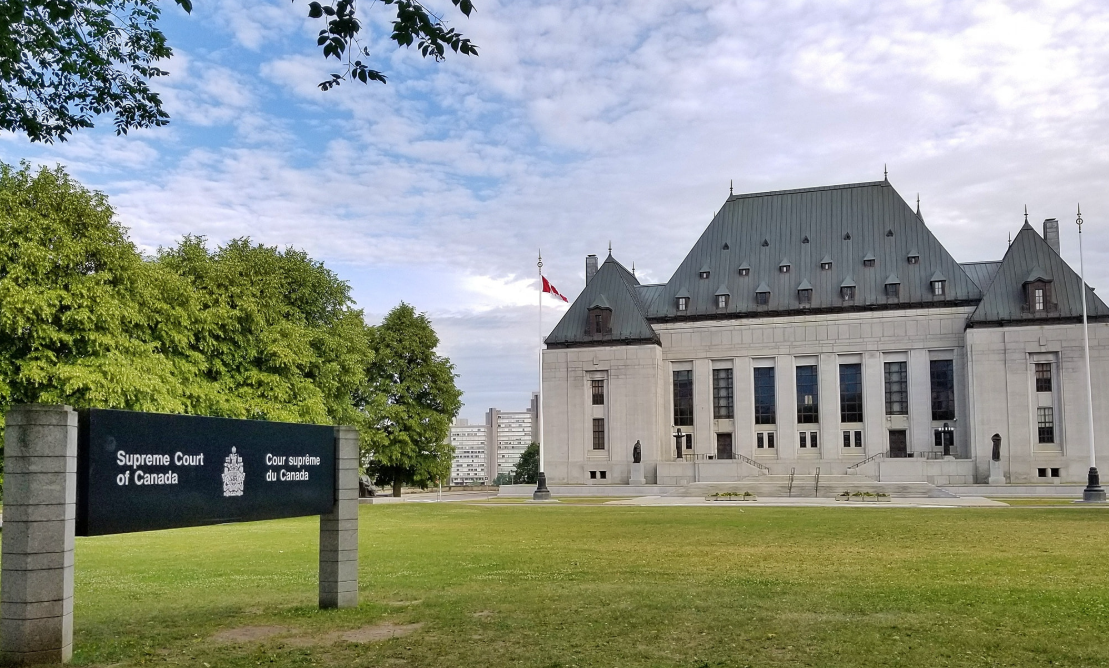
In a justice system that often struggles to balance fairness with efficiency, the Supreme Court of Canada’s latest rulings on impaired driving laws mark a decisive and necessary step forward. By upholding the 2018 Criminal Code amendments that streamlined prosecutions relying on breath test results, the Court has reinforced a simple truth: when it comes to public safety, clarity and consistency cannot be optional.
These two New Brunswick cases may seem technical on the surface focused on calibration checks, evidentiary standards, and breath machine accuracy but their implications are far-reaching. At their core lies a fundamental question: How do we ensure that impaired driving laws are enforced with both scientific reliability and legal fairness?
The Supreme Court’s answer is straightforward: hold everyone to a clear evidentiary standard, and don’t burden prosecutions with unnecessary hurdles. The intent of the 2018 amendments was to eliminate ambiguity no more patchwork arguments about whether the machine was working properly unless there is real, credible evidence to suggest otherwise. The Court reaffirmed that intention.
In one ruling, the Court examined what constitutes sufficient proof that a breathalyzer’s calibration check was properly conducted. In the other, it looked at what is required to rely on the breath test results themselves. In both instances, the Court concluded that the New Brunswick Court of Appeal had taken too restrictive a view of the Crown’s obligations.
The message? Modern impaired driving enforcement depends on trusting the process not endlessly questioning it without cause.
Critics might argue this narrows the accused’s ability to challenge breath test evidence, but that argument misses the point. The law already permits meaningful challenges where there is concrete evidence of malfunction or error. What the Supreme Court rejected were speculative, fishing-expedition objections that bog down courts and weaken the very deterrence impaired driving laws depend on.
At a time when impaired driving continues to claim lives on Canadian roads, these decisions matter. They affirm that the justice system can be both fair and firm ensuring that scientific procedures are respected without allowing technicalities to undermine accountability.
The Supreme Court has reinforced what most Canadians already understand: getting behind the wheel while impaired is a choice with consequences and our courts will not allow avoidable legal loopholes to soften those consequences.