Prime Minister Mark Carney came out swinging Thursday, making clear that Canada arrives at the trade negotiating table with its own list of grievances not just as a country waiting to receive American demands.
With the deadline for a review of the Canada-U.S.-Mexico Free Trade Agreement drawing closer, Carney laid out what he called Canada’s trade “irritants” with the United States: a 50 per cent tariff on Canadian aluminum, an equally steep tariff on steel, penalties hitting the auto manufacturing sector, and restrictions affecting forest products.
“Those are more than irritants. Those are violations of our trade deal,” Carney said bluntly.
The Prime Minister was careful to frame the situation as a two-way negotiation, pushing back against any perception that Ottawa was simply waiting for Washington to set the terms. “There’s two parties in a negotiation. We’re not sitting here taking notes and taking instruction from the United States,” he told reporters in Ottawa.
When pressed on what specific concerns the U.S. had raised, Carney pointed to provincial bans on American alcohol a retaliatory measure that several Canadian provinces introduced in February following President Donald Trump’s tariff announcements.
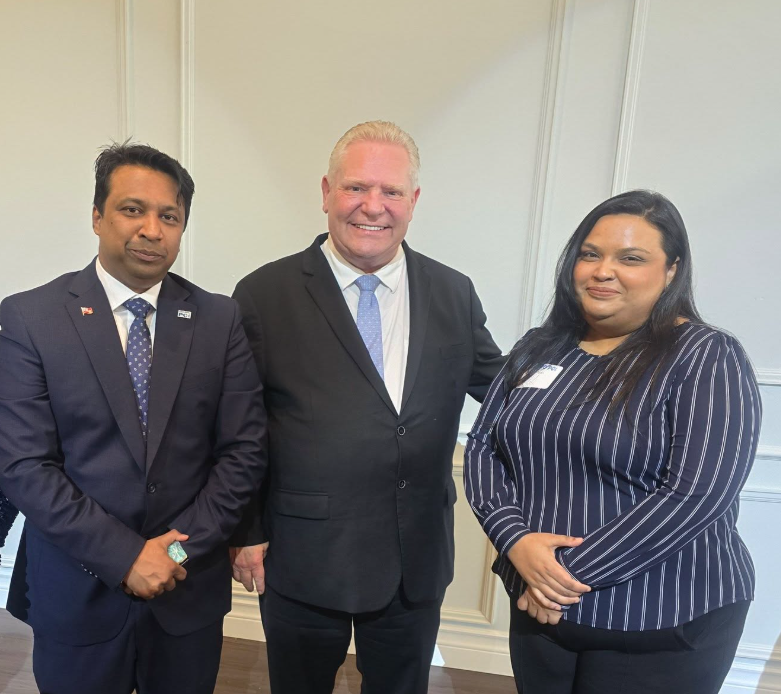
Ontario Premier Doug Ford showed no signs of backing down Wednesday, reaffirming on social media that American alcohol would remain off provincial shelves until U.S. tariffs are lifted. Currently, only Alberta and Saskatchewan continue to sell U.S. spirits; every other province has pulled American booze from shelves.
The impact has been swift and significant. Data from the Distilled Spirits Council of the United States shows that American alcohol exports to Canada plummeted 70 per cent in December compared to the same month the previous year.
Washington has taken notice. In a trade barriers report released last month, the U.S. Trade Representative flagged the provincial bans as raising “serious concerns,” and signalled the administration would continue pressing Canada on the issue as CUSMA negotiations take shape.
Asked whether he would urge Ford to ease up, Carney deflected with a touch of pragmatism. “He’s the client,” Carney said of the Ontario Premier. “He’s also the duly elected premier of Ontario. He’s got a majority.”
A day earlier, Carney had drawn a firm line on the question of pre-negotiation concessions, offering a single-word answer when reporters asked whether Canada would give ground just to get to the table with the U.S.: “No.”
This followed CBC News reporting that the Trump administration had been seeking what sources described as an “entry fee” a package of concessions from Canada before formal trade talks could begin.
Carney distanced himself from that framing on Thursday, saying he had never used the term and had never heard it from President Trump directly.
The broader tension, Carney suggested, stems from a misunderstanding south of the border about just how intertwined the two economies truly are. “Yes, it is our biggest trading partner by far. We are also their second biggest trading partner. There is a symbiosis between the two,” he said, adding that he wasn’t convinced everyone in the U.S. fully grasped that reality.
As both sides position themselves ahead of what promises to be a consequential renegotiation, one thing is clear: Canada is not walking in with its hat in hand.