Canadian Airlines Hit Passengers with Steeper Baggage Fees as Middle East Conflict Drives Fuel Costs Sky-High
Arafat Rahman
It is about to cost more to check a bag on your next WestJet flight and the airline is making no secret about why.
The Calgary-based carrier announced a revised baggage fee structure set to take effect Thursday, pointing to what it described as “current global conditions” as the driving force. The changes are not trivial. Passengers who prepay for a first or second checked bag will see a $5 hike, while those who wait until airport check-in will face a steeper $10 jump. Anyone travelling with excess, overweight or oversized luggage will be hit hardest those fees are climbing by $50. The one silver lining: Teal Rewards members will still pocket a $5 discount on their first prepaid bag.
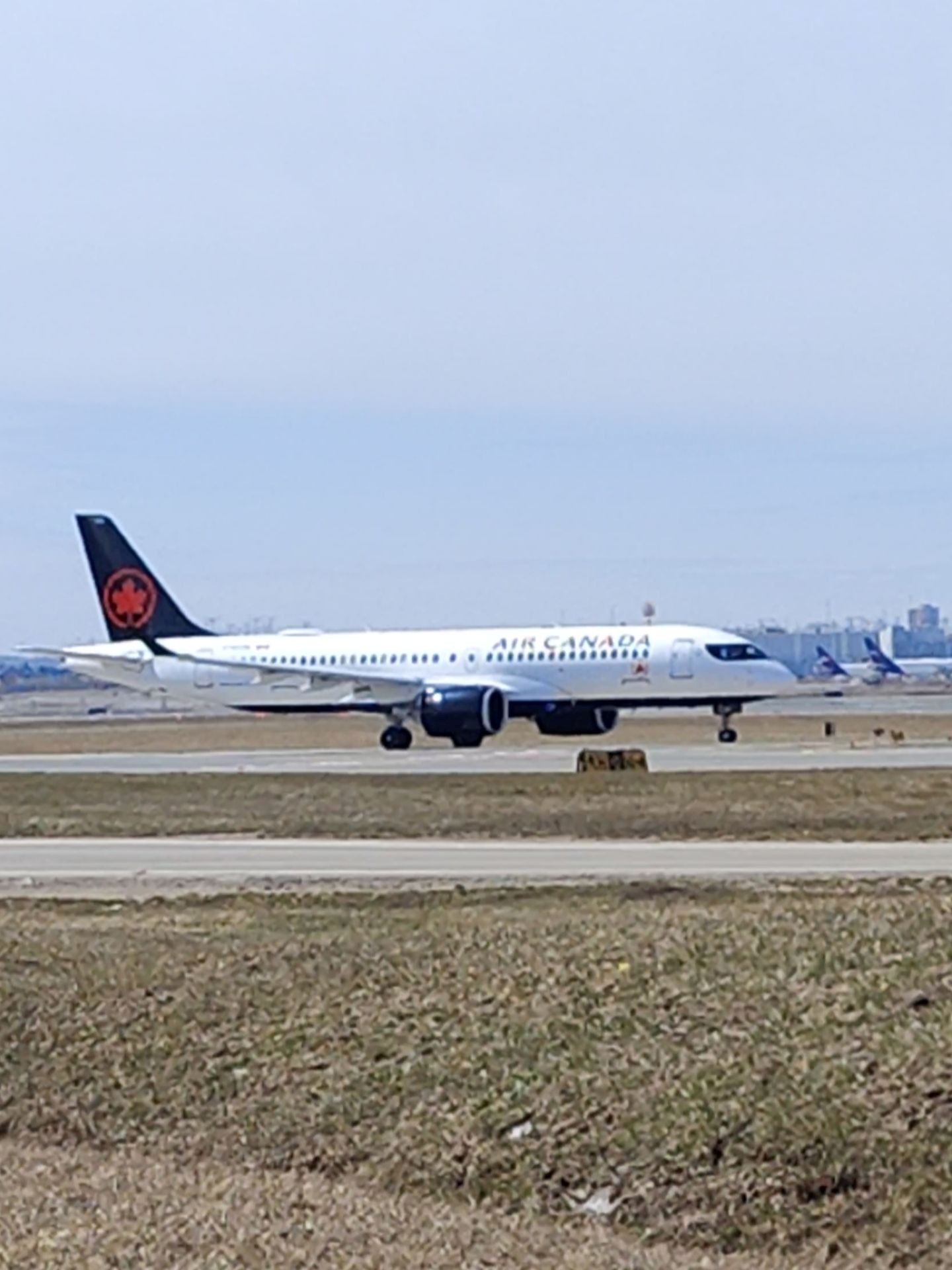
WestJet is not alone. Air Canada moved in the same direction just last week, bumping its first checked bag fee from $35 to $45 for basic economy passengers on domestic, U.S. and sun destination flights. The two carriers, Canada’s largest, are responding to the same underlying pressure a dramatic spike in jet fuel costs that has rattled the global aviation industry.
The root cause traces back to late February, when U.S. and Israeli strikes on Iran triggered a broader conflict across the Middle East. In the aftermath, Iran effectively shut the Strait of Hormuz a narrow but critical chokepoint responsible for roughly a fifth of the world’s daily oil supply, or about 20 million barrels. The ripple effects have been swift and severe.
Across the Atlantic, Germany’s Lufthansa announced Tuesday it would cancel approximately 20,000 short-haul flights throughout Europe as aviation fuel prices continue to climb. Montreal-based Air Transat said it plans to trim around six per cent of its flights scheduled between May and October. Sunwing Vacations and Vacances WestJet Québec have introduced a $50-per-person fuel surcharge. Air Canada, meanwhile, announced it is suspending six routes including Toronto-to-JFK and Montreal-to-JFK service between June 1 and October 25, citing fuel costs that make those runs financially unviable.
The numbers put the stakes in stark perspective. Fuel is typically an airline’s single largest expense, and Air Canada’s 2024 books illustrate just how significant that burden is the carrier spent more than $5.1 billion on fuel alone last year, accounting for roughly 24 cents of every dollar in operating costs.
Not every airline is pulling back, however. Porter Airlines confirmed to Global News that it has no plans to reduce its flight capacity, standing apart from the broader industry trend for now.
For travellers, the message is clear: pack lighter, or pay up. Whether the fees climb further will depend largely on how long the conflict in the Middle East continues to disrupt global energy markets.