A year ago, Toronto’s beloved Santa Claus Parade stood at the edge of an uncertain future. Headlines were filled with talk of deficits, rising costs, and a GoFundMe campaign an almost unimaginable situation for a 120-year-old tradition. It felt as though a financial Grinch had crept into the city’s holiday cheer.
But here we are, one year later, and the parade has not only survived it’s preparing to shine brighter than ever. Clay Charters, the president and CEO of the Original Santa Claus Parade, speaks about the renewed optimism with a tone that is both hopeful and realistic. “Certainly we’re back,” he said. Those three words may sound simple, but given the struggle behind the scenes, they carry weight.
The truth is, a parade of this scale doesn’t magically assemble itself. It’s the product of old-fashioned craftsmanship and community spirit. Artists like Jason Donavan spend an entire year sculpting, carving, and painting floats by hand float by float, detail by detail. In a world increasingly reliant on screens and digital shortcuts, that kind of dedication feels almost revolutionary. These floats aren’t born from 3D animation software or printers; they come from real artistry, sweat, and passion.
That’s what makes this parade more than just an event it’s a living tradition.
Yet, the reality remains: tradition costs money. Inflation, corporate budget cuts, material expenses, and the need for workspace and staff all add up. When organizers warned last year that the 2025 parade might not happen without raising $250,000, it wasn’t a dramatic stunt. It was a genuine cry for help. And the community answered.
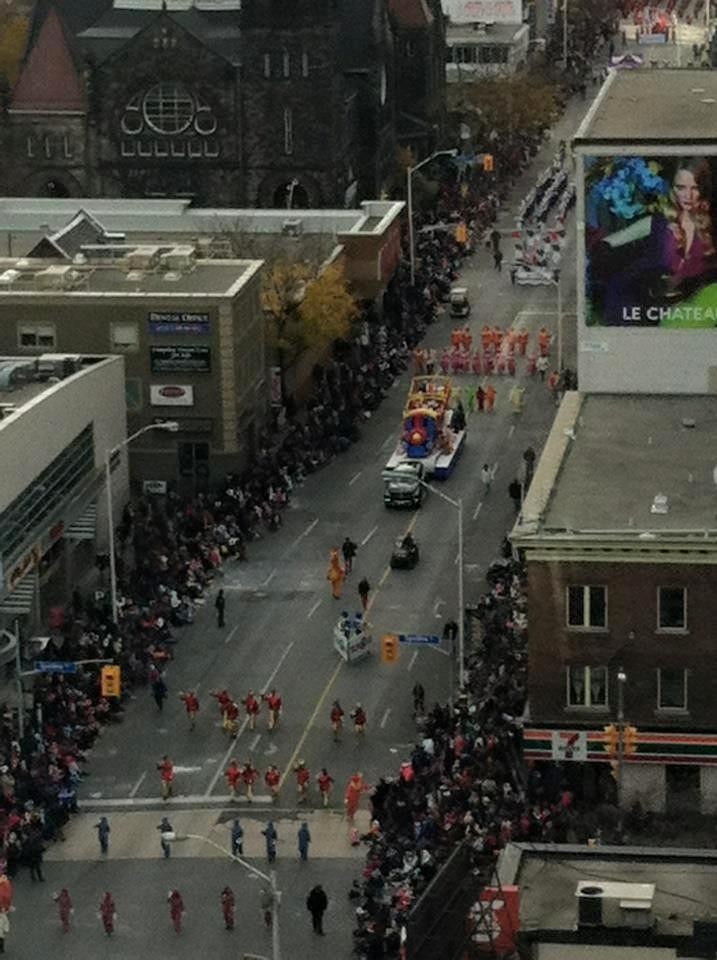
The “collective outpouring” of support, as organizers described it, is allowing an estimated 750,000 people to gather on Nov. 23 to watch 27 hand-crafted floats glide through Toronto’s streets, accompanied by marching bands, dancers, and performers. That’s 750,000 smiles, 750,000 memories, 750,000 reasons why keeping this tradition alive matters.
And for once, it’s not just about the glitz of holiday entertainment. It’s about rebuilding trust, ensuring the financial sustainability of a cultural landmark, and proving that a community can come together when it matters most.
Fundraisers like the Holly Jolly Fun Run and the revived 50/50 raffle remind us that support comes in many forms not just corporate cheques. Meanwhile, partnerships with broadcasters, sponsors, and all levels of government are helping to secure the parade’s future. Charters says the goal this year is simply to “break even.” That kind of humility is refreshing in a world of oversized expectations.
Looking ahead, organizers already feel confident about the 2026 parade. Work begins as soon as this year’s event ends, which speaks to the relentless commitment behind the scenes. These aren’t people doing a job; these are caretakers of a legacy.
It’s surreal to think that when the parade began in 1905, Santa rode through downtown Toronto in a special automobile, handing out surprise packages. More than a century later, that same spirit joy, generosity, community is what keeps this event going. Today, it’s the largest children’s parade in North America and the biggest outdoor entertainment event in Canada. That’s not just history. That’s heritage.
Perhaps Santa himself said it best: “Sometimes we lose our way during the year, so we all need to come back to that one special day.” In a time when isolation, division, and uncertainty feel ever-present, a moment of togetherness feels priceless.
This year’s parade isn’t just a comeback. It’s a reminder that traditions survive when people care enough to protect them and that the magic of Christmas isn’t found in a float or a costume, but in a community that believes in something worth saving.