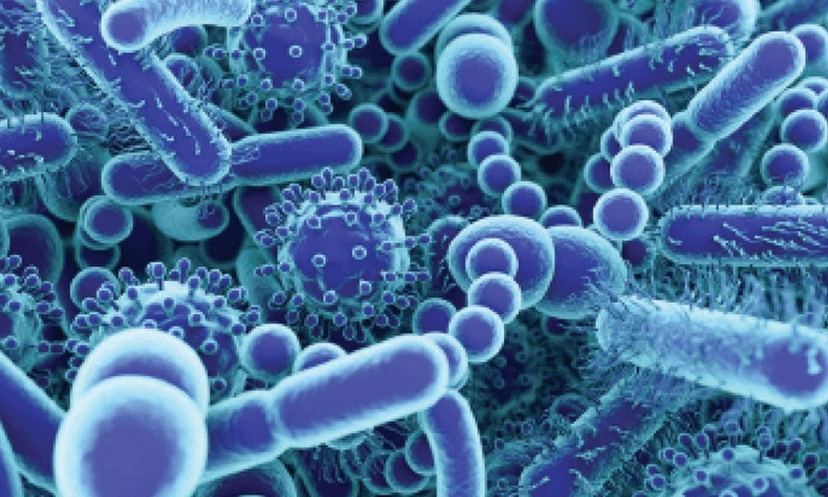
A new study claims that not only diet and exercise, but also the gut bacteria of the human body have an impact on healthy living. The study also provided insight into which viruses live in the gut and which bacteria they control. The long tract from the stomach to the anus is commonly called the intestine, which basically has two parts.
For many years, researchers have studied the diversity of the gut microbiome, focusing primarily on the bacteria that live there.
A recent Norwegian study took a closer look at how viruses control gut bacteria. Thousands of unknown viruses have been found in it, said Professor Trin B Raunge of the University of Oslo, who led the research team. The results of their research have recently been published in the internationally renowned journal ‘The Nature Communication’. Using the new technology, researchers examined the feces of more than 1,000 people from different countries.
They found about 20,000 different types of viruses in the gut. Two-thirds of it was previously unknown. According to the leader of the research team, Professor Trinh B. Rounge, the number of viruses varies due to the composition of the intestinal microbiota of different people. The researchers obtained a wealth of information about the lifestyle of the survey participants by conducting the survey through specific questionnaires and by reviewing the prescriptions provided by Norwegian physicians.
A link was found between some common viruses and the participants’ lifestyles. The corresponding researchers found that the presence of the virus varied from person to person based on smoking, exercise and fiber-rich diet habits.
“Everybody knows that gut bacteria are influenced by diet and lifestyle,” Professor Rounge said. But we were surprised to find that not only bacteria but also viruses have the same process connection. According to this study, both smoking and physical inactivity increase the risk of bowel cancer.
“We only tested people with blood in their stools, even though this did not affect the virus formation process in the gut,” said Professor Raunge, referring to the study’s weaknesses. It is the largest study of its kind to date in Norway. The research team believes that this is very significant in the international context.