Ontario Wildfires Force Over 1,800 From Their Homes as Nearly 200 Blazes Burn Across the North
Patrick D Costa
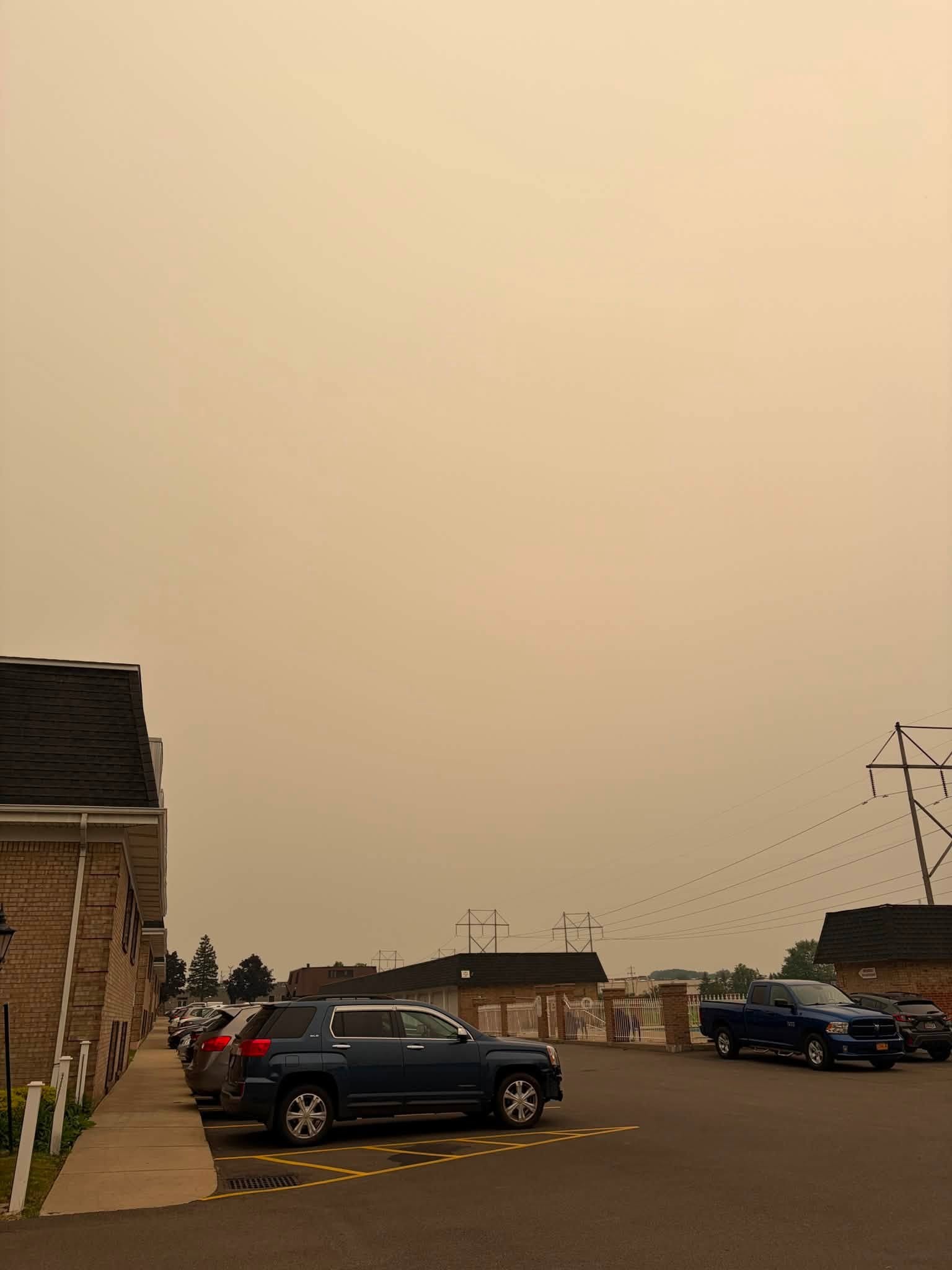
Wildfires tearing through northern Ontario have driven more than 1,800 residents from their communities, with officials warning the crisis is far from over as fire crews battle nearly 200 separate blazes across the region.
Speaking at a news conference Monday, Premier Doug Ford confirmed 190 active wildfires burning across the province, 56 of which remain out of control. Another 112 are being closely monitored, six are being held at their current size, and 16 have been brought under control. The bulk of the destruction is concentrated in Ontario’s northwest.
Thirteen communities have already evacuated or are in the process of doing so, Ford said, with at least one more evacuation expected to begin soon.
Getting people out of harm’s way has become a massive coordination effort. Evacuees are first being flown to hub cities primarily Thunder Bay and Red Lake before being redirected to communities willing to take them in. According to Emergency Management Minister Jill Dunlop, those host cities now include Thunder Bay, Kapuskasing, Sudbury and Barrie, with Toronto also stepping up to shelter displaced residents.
Neskantaga First Nation was preparing to send another evacuation flight Monday, this time routing evacuees directly to Toronto after Thunder Bay’s hotel capacity ran short.
“We have to look at things such as the health-care capacity in the areas, hotel capacity and the wraparound services as well,” Dunlop told reporters, adding that the province is coordinating closely with host communities to make sure evacuees have access to the support they need.
A network of relief organizations has jumped into action to support both evacuees and the communities hosting them. The Ontario Corps, Feed Ontario, and the Ontario Federation of Indigenous Friendship Centres are helping deliver emergency food supplies, while Global Medic has shipped N95 masks to Thunder Bay to help residents cope with smoke exposure. The Canadian Red Cross has also opened an evacuation centre in Thunder Bay to support people from Collins First Nation and Armstrong.
The human toll of the fires is becoming clearer by the day. Whitewater Lake First Nation reported extensive damage, with homes, personal belongings and essential infrastructure destroyed a blow that has deepened anxiety in remote communities already stretched thin by the crisis.
Fire crews say their priorities remain protecting lives, property and critical infrastructure. Restricted fire zones and open-air burning bans remain in effect across the northwest until conditions improve.
Ontario currently has 155 fire crews on the ground, supported by roughly 80 water bombers and helicopters working to contain the flames, Ford said.
“As I’ve said, we will not spare a penny fighting these fires and keeping people safe,” the premier told reporters.
Some relief came in the form of recent rainfall, which has helped slow the progress of several fires. But officials caution that a few scattered showers won’t be enough sustained, heavier rain is needed to meaningfully ease the crisis. In the meantime, residents across the region continue to keep watch on smoke conditions, disrupted supply lines and the shifting paths of the fires themselves.