Temporary Drop in Atlantic Gas Prices Sparks Concerns Amid Ongoing Iran Conflict
Sathia Kumar
A brief decline in gasoline prices across Canada’s Atlantic provinces is offering short-term relief to consumers, but experts warn that the respite may be fleeting due to ongoing geopolitical tensions in the Middle East.
According to New Brunswick-based economist Constantine Passaris, the recent dip in fuel costs should not be seen as a sign of long-term stability. Despite reports of ceasefire discussions between the United States and Iran, Passaris remains skeptical about any lasting peace.
He pointed out that continued military activity in the region signals instability, raising concerns that global oil prices could soon climb again after this short lull. “There is no clear indication that the conflict is truly winding down,” he suggested, emphasizing that volatility in oil markets is likely to persist.
The conflict has significantly impacted global energy supply chains, particularly shipping through the Strait of Hormuz a crucial passage for oil transport. Since hostilities escalated in late February, movement through this vital route has slowed dramatically, contributing to rising oil prices worldwide.
In Atlantic Canada, gasoline pricing operates differently than in most parts of the country. Provincial regulatory bodies set weekly price limits or floors based on market trends, taxes, and supply-demand conditions. These mechanisms, designed to stabilize prices and protect consumers, often react more slowly to sudden market shifts.
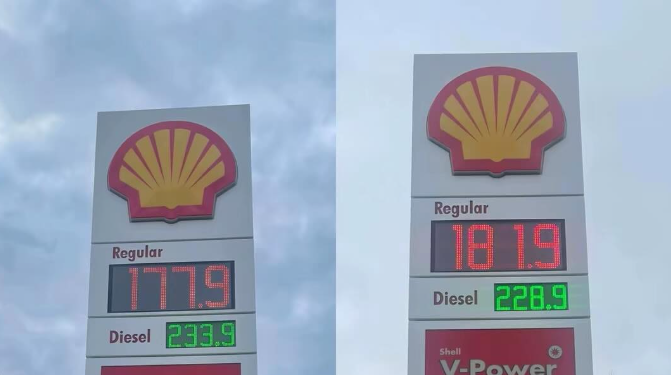
Following a midweek easing in benchmark oil prices, regulators began adjusting rates downward. Newfoundland and Labrador saw the most notable reduction, with gasoline prices dropping by 13.5 cents per litre, bringing costs at many stations below the $2 mark.
New Brunswick drivers also experienced some relief, with maximum prices falling by five cents per litre. In Nova Scotia, prices dipped slightly, while Prince Edward Island stood apart as the only province where fuel costs remained unchanged.
Despite these decreases, fuel prices in the region continue to exceed the national average, reflecting the broader pressures of global oil markets.
Energy analysts note that these regulatory systems were introduced decades ago to maintain consumer confidence during periods of price volatility. By setting weekly rates and requiring transparency in pricing structures, authorities aim to create a more predictable environment for both consumers and fuel retailers, particularly in rural areas.
Looking ahead, attention is focused on upcoming diplomatic talks between the United States and Iran, scheduled to take place in Pakistan. Market uncertainty remains high as oil traders monitor developments and shipping activity in the Strait of Hormuz continues to be disrupted.
Global oil benchmarks have seen dramatic swings in recent months. Brent crude, which was priced around $70 per barrel before the conflict, has surged past $100 at times, reflecting the strain on supply chains.
Passaris advises consumers to make the most of the current dip in prices, warning that further increases may be on the horizon. He believes the coming months could bring continued turbulence, urging people to prepare for potential cost spikes as the geopolitical situation evolves.
While the recent drop at the pump offers some relief, the broader outlook suggests that fuel prices may soon resume their upward trend, leaving consumers bracing for a challenging period ahead.