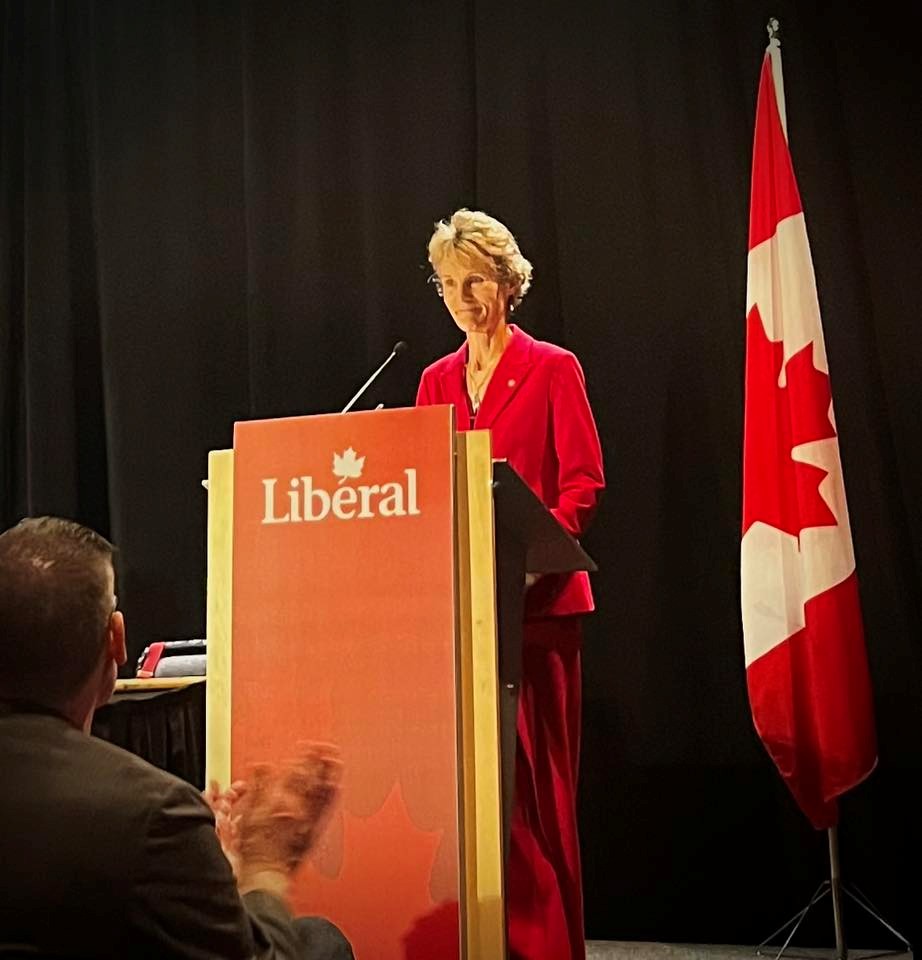
A growing debate over children’s online safety is taking center stage at the Liberal Party policy convention in Montreal, where delegates are considering proposals that could significantly restrict young people’s access to social media and artificial intelligence tools.
Among 24 policy resolutions up for discussion, two have drawn particular attention for targeting digital platforms used by minors. One proposal, originating from Quebec, calls for a nationwide ban on access to AI chatbots for anyone under the age of 16, citing concerns over potentially harmful interactions. Platforms similar to ChatGPT are included in the scope of the suggested restrictions.
A separate resolution urges Canada to adopt legislation similar to Australia’s recent law, which enforces a minimum age of 16 for creating social media accounts. Under that framework, companies would bear the responsibility of ensuring underage users are prevented from accessing their platforms.
The proposals come amid rising public concern about the impact of digital technologies on youth. A recent survey by the Angus Reid Institute indicates strong public backing for stricter rules, with 75 per cent of Canadians supporting a complete ban on social media use for those under 16. Support remains high among parents, with 70 per cent in favor of such measures.
International trends suggest Canada is not alone in grappling with the issue. Australia has already implemented strict regulations, holding major platforms like TikTok, Facebook, and Instagram accountable with heavy fines if they fail to block underage users. Early reports indicate millions of accounts belonging to minors have already been removed under the policy.
In the United States, similar efforts are underway at the state level. Massachusetts recently passed legislation restricting social media use for younger children, while California lawmakers are exploring limits on AI-enabled toys designed for minors.
Canadian political leaders appear cautious but open to discussion. Prime Minister Mark Carney recently acknowledged the importance of the issue, stating that while no decision has been made, the topic warrants careful and open debate. He also noted that Canada’s current laws around online harms and child protection may not be keeping pace with rapidly evolving technology.
Provincial leaders have also weighed in. Saskatchewan Premier Scott Moe has publicly supported exploring age restrictions, emphasizing the need for federal legislation addressing online safety and the potential establishment of a minimum age requirement for social media use.
Meanwhile, Quebec lawmakers have already recommended tighter controls, suggesting that children under 14 should only be allowed social media access with parental consent.
As discussions continue, Canada finds itself at a crossroads balancing the benefits of digital connectivity with growing concerns over youth safety. The outcome of these policy debates could shape the country’s digital landscape for years to come.