Rural Backlash Grows Over Proposed High-Speed Rail Between Toronto and Quebec City
Abdur Rahman Khan
Residents and farmers across eastern Ontario and parts of Quebec are raising strong concerns about the federal government’s proposed high-speed rail project linking Toronto and Quebec City. While the project promises faster travel and economic growth, many rural communities fear it could dramatically disrupt their livelihoods, land, and environment.
Gord Boulton, who operates a hunting and fishing outfitting business in Battersea, Ontario, says the proposed railway could cut directly through the land he depends on for his livelihood. His 1,000-hectare property home to forests, lakes, wildlife, and several camps used by visitors—could be divided by the rail line.
According to Boulton, the thought of trains speeding through the peaceful countryside is deeply troubling. He believes the project could not only damage the natural landscape but also disrupt local communities that have long relied on the surrounding environment.
Concerned about the potential impact, Boulton recently launched a Facebook group called Save South Frontenac to unite residents worried about the project. He says many locals have contacted him expressing fear and frustration over what the rail line could mean for their homes and businesses.
Opposition to the project is spreading beyond a single community. Farmers, municipal leaders, and rural residents across Ontario and Quebec have begun organizing to challenge the proposed routes. Several townships in eastern Ontario have already passed resolutions opposing a southern corridor option, while others have voiced objections to alternative routes.
Agricultural groups are also calling for caution. The Ontario Federation of Agriculture and Quebec’s Union des producteurs agricoles have urged the government to pause the project until its potential effects on farmland and rural communities are better understood.
The high-speed rail plan, overseen by the Crown corporation Alto, aims to create a 1,000-kilometre rail network connecting major cities in Canada’s most densely populated corridor. The line would include stops in Toronto, Peterborough, Ottawa, Laval, Montreal, Trois-Rivières, and Quebec City.
If built, the trains could travel at speeds of up to 300 kilometres per hour. This would significantly reduce travel times, making the journey between Toronto and Montreal roughly three hours, and cutting the trip between Montreal and Ottawa to less than one hour.
The first stage of the project, linking Montreal and Ottawa, could begin construction around 2029 or 2030. Supporters argue that the rail network would create jobs, boost tourism, increase economic activity, and reduce greenhouse gas emissions by encouraging travelers to shift away from cars and airplanes.
However, critics say the benefits will largely be enjoyed by urban residents, while rural communities bear the costs.
One major concern is land expropriation. Although Alto has said it hopes to purchase land from willing sellers, company officials have acknowledged that some properties may still have to be taken through expropriation if negotiations fail.
Another issue is how the rail line might divide farmland and communities. Because trains would run at very high speeds, crossings would likely be limited to overpasses and underpasses rather than standard road intersections.
Caroline Stephenson, a resident of Madoc, Ontario, worries this could make everyday travel more difficult for people in rural areas. Longer routes between roads could delay school buses, commuters, and emergency vehicles.
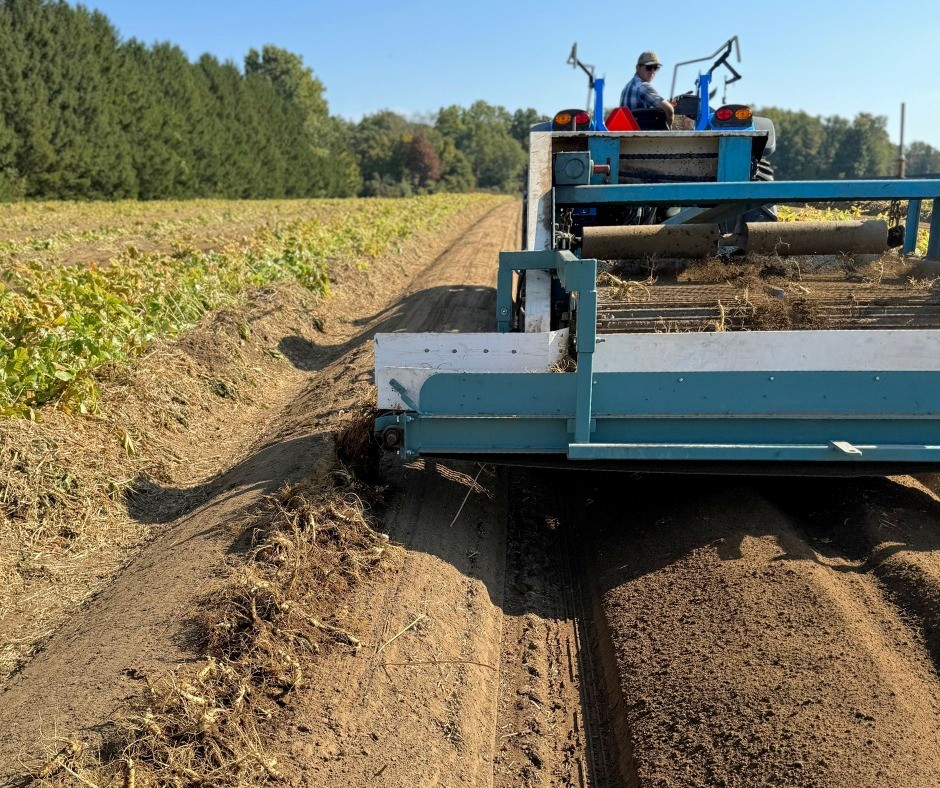
Farmers have also warned that splitting agricultural land could create serious operational problems. In Quebec, farmers recently staged a tractor protest in Mirabel to draw attention to the potential consequences of the rail corridor.
Stéphane Alary, a regional representative of Quebec’s farmers’ union, said that fields divided by a rail line could force farmers to travel several kilometres just to reach parts of their land. For those driving slow-moving tractors near busy roads, the situation could also create safety risks.
Environmental concerns have also been raised. Some residents fear that changes to water drainage systems such as diverting streams into culverts could affect private wells that rural households rely on. Others worry about the potential disruption to wildlife habitats and migration patterns.
The project’s cost is another major point of debate. Estimates suggest the full network could cost between $60 billion and $90 billion, though the federal government has not yet committed to funding the entire system.
Meanwhile, uncertainty about the final route is already affecting rural planning. Some farmers say they are delaying investments, land purchases, and expansion plans until they know whether the railway will pass through their property.
For many residents, the question is whether the benefits of a modern transportation system justify the impact on rural communities that stand in its path. As public consultations continue, the debate over Canada’s most ambitious rail project in decades is only intensifying.