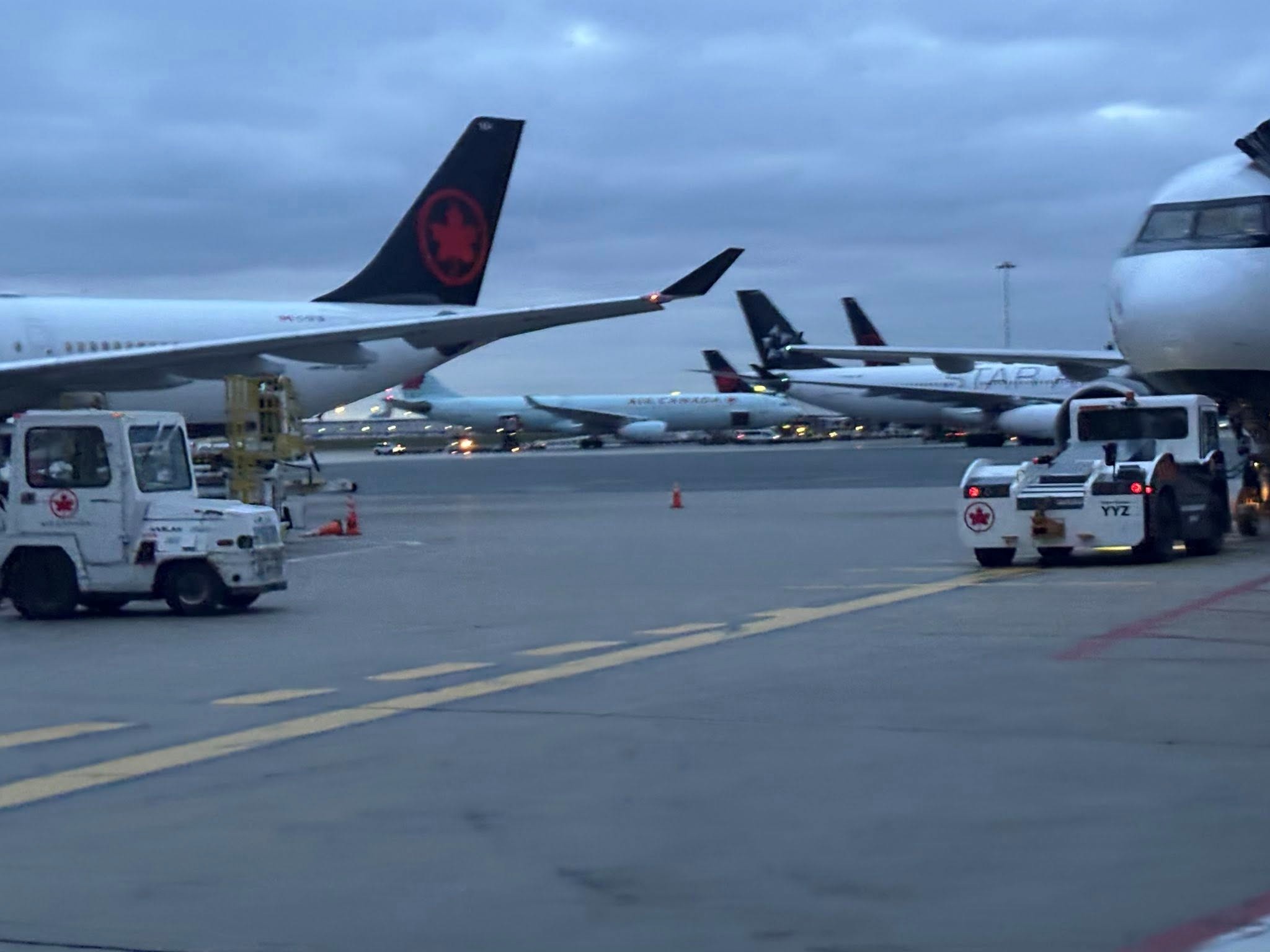
The A321XLR is no ordinary narrow-body jet. Airbus designed it to cover distances that were once the sole domain of twin-aisle planes think transatlantic hops and long transcontinental crossings with meaningfully better fuel efficiency. Air Canada plans to deploy these aircraft on routes between Montréal and Toronto and various European destinations, as well as key North American transcontinental markets. The cabin is also quieter and more refined than previous-generation aircraft in its class, a detail that matters considerably when the person next to you is trying to sleep flat.
The timing of the announcement is no coincidence. Airlines across North America are locked in a quiet arms race to make premium economy and business-class travel feel genuinely different not just a slightly wider seat and the battleground have expanded beyond wide-body fleets. Air Canada is stepping into that fight with considerable confidence.
It is not alone. Delta Air Lines has been outfitting its Boeing 757-200 fleet with Delta One lie-flat seating and direct aisle access, a product it has refined with amenities like a dual-purpose mattress pad now standard on flights over 12 hours. United Airlines is going further in a different direction: in 2027, the carrier is set to launch “Relax Row,” a trio of economy seats that convert into a flat, mattress-like sleeping surface after takeoff. If it lands as planned, United’s product would be the first lie-flat economy option in North America, a genuinely radical idea in a cabin class that usually struggles to offer meaningful legroom.
The trend is not confined to North America. Air New Zealand announced in mid-April that its Boeing 787-9 Dreamliner fleet will receive a product called the Economy Skynest stacked bunk beds in the economy cabin, complete with a mattress, bedding, privacy curtains, reading lights, personal storage, USB charging, and ventilation. These will be available to economy passengers on the ultra-long-haul Auckland–New York route, one of the world’s longest commercial flights. It is, bluntly, the sort of idea that sounds impractical until you have spent 17 hours sitting upright.
What unites these announcements is a shared recognition that sleep or at least the possibility of it has become a genuine competitive differentiator. For airlines, the economics make sense too: a passenger who arrives rested is a passenger who attributes that rest to the carrier. For Air Canada, a fleet of 30 A321XLRs with lie-flat business seats is both a statement about the direction of the airline and a practical tool for expanding into thinner, longer routes that a wide-body aircraft would make unprofitable. It is fleet modernisation with a commercial logic baked in and, for Canadian travellers willing to pay for it, a considerably more comfortable way to cross the Atlantic.