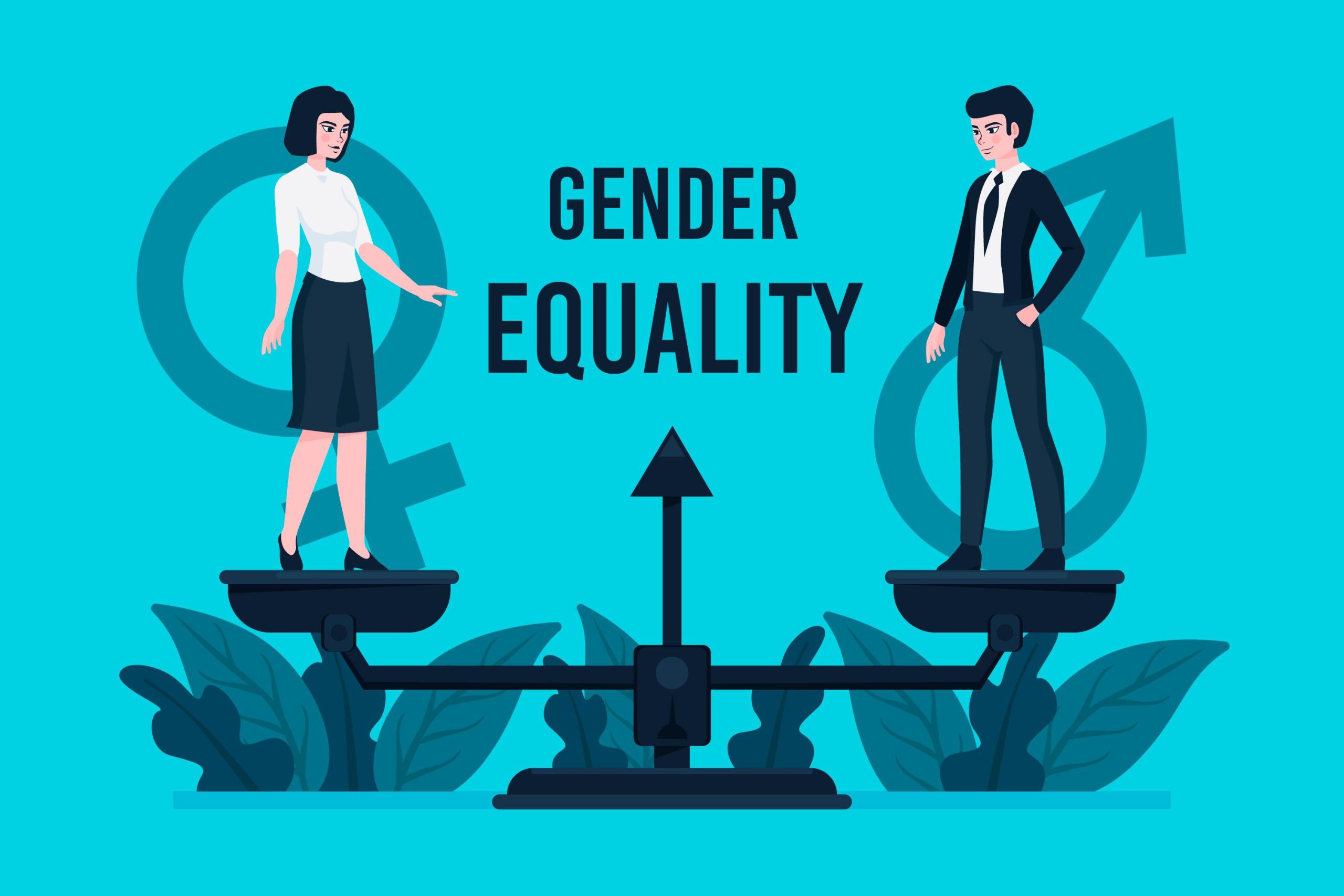
Equal opportunities for women in the workplace are essential not only for personal or professional advancement, but also for the overall progress of society. Ensuring equal opportunities and scope for both men and women is very important for building a non-discriminatory, sustainable society, because it is a symbol of human rights and social justice, as well as a major pillar of economic progress. In today’s world, we have made progress in various fields through economic and technological advancement, but it has not yet been possible to ensure equal opportunities for women in the workplace. This creates obstacles to their professional advancement and equal opportunities in the workplace. The source of these challenges lies deep, which has emerged from social customs, family attitudes, financial situations, and long-standing cultures.
First, a major obstacle to ensuring equal opportunities for women in the workplace is gender-based pay inequality. Even today, most women in the country receive less pay than men, even though they are entitled to the same work or skills. This pay inequality not only reduces women’s financial independence, but it also destroys their professional morale. In many cases, women do not get the proper value for their professional skills and hard work, which affects their work ethic and sense of professional responsibility. Pay inequality has a negative impact on women’s lives and threatens the economic stability of their families and children.
Effective policies need to be adopted to eliminate this gender-based pay inequality. Along with the government, private organizations should also take initiatives against it. Proper monitoring systems are needed, which will ensure that gender-based pay inequality does not exist in every workplace and equal remuneration is being paid to everyone. In addition, the authorities of the organization should develop a more positive attitude towards women’s skills and fulfill their due responsibility in paying them their due remuneration. As a result, women will be more motivated to work in the workplace and their work efficiency will increase, which will also be helpful for the organization and the overall economy of the country.
Social stereotypes and discriminatory attitudes are one of the main obstacles for women in the workplace. In many cases, in our society, it is still believed that women’s professional responsibilities should be limited and their main job is to perform household duties. Due to such outdated perceptions, women often face limited opportunities and restricted roles in the workplace. Especially in technology, engineering, or higher management positions, women face various problems where their qualifications and skills are doubted.
To eliminate these discriminations and stereotypes, families, society, and institutions must work together. First, these misconceptions prevalent in society must be removed and women’s skills must be properly evaluated. If necessary, more training and development programs can be organized for women in different workplaces based on their qualifications. The role of the government in this regard is immense, because if such training and programs are organized by the government, women will gain more skills and will be able to work successfully in the workplace.
A major challenge for women in the workplace is to maintain a balance between housework and professional life. Especially married women work at work while taking care of children and fulfilling their responsibilities towards the family. Many times, they experience mental and physical fatigue in performing these dual responsibilities, which negatively affects their work efficiency. A sympathetic environment at work, flexibility in working hours, and support from family can make women’s working lives easier and more convenient.
In addition, another major obstacle to women’s advancement in the workplace is the limited opportunities for development at work. In most cases, women employees are locked into specific positions and are prevented from advancing to higher positions. A natural tendency within organizations is to not give women a place in leadership roles. As a result, they face various limitations in terms of promotion and development in the workplace.
It is important to create a positive environment for women in the workplace and create development opportunities for women employees by properly assessing their qualifications. In order to give them responsibility and leadership opportunities, the attitude of the organization needs to change and a favorable work environment for women needs to be created. Such initiatives will increase women’s motivation and make their careers more stable and successful.
One of the biggest challenges for women in the workplace is safety. Many times, women are harassed by their colleagues, which disrupts their desire to stay in the workplace and their peace of mind. Workplace harassment weakens women mentally and physically and has a negative impact on their professional lives. To protect women from workplace harassment, organizations need to adopt a strict policy and ensure a safe working environment.
It is possible to create an equal workplace for women if the government, institutions, and families work together. Special training and development programs are needed to improve women’s education and professional skills. Through this, women will be able to further enhance their qualifications and reach a strong position in the workplace.
To take the initiative to properly evaluate women and provide equal opportunities in the workplace, families, society, and institutions must work together. Not only in the workplace; but the concept of respect and equality for women must be established in the entire society. Government, private, and family initiatives are very important to create this environment of equality for women. These initiatives will further encourage women in their careers and open up more possibilities for them, which will usher in positive change not only for them but for society as a whole.