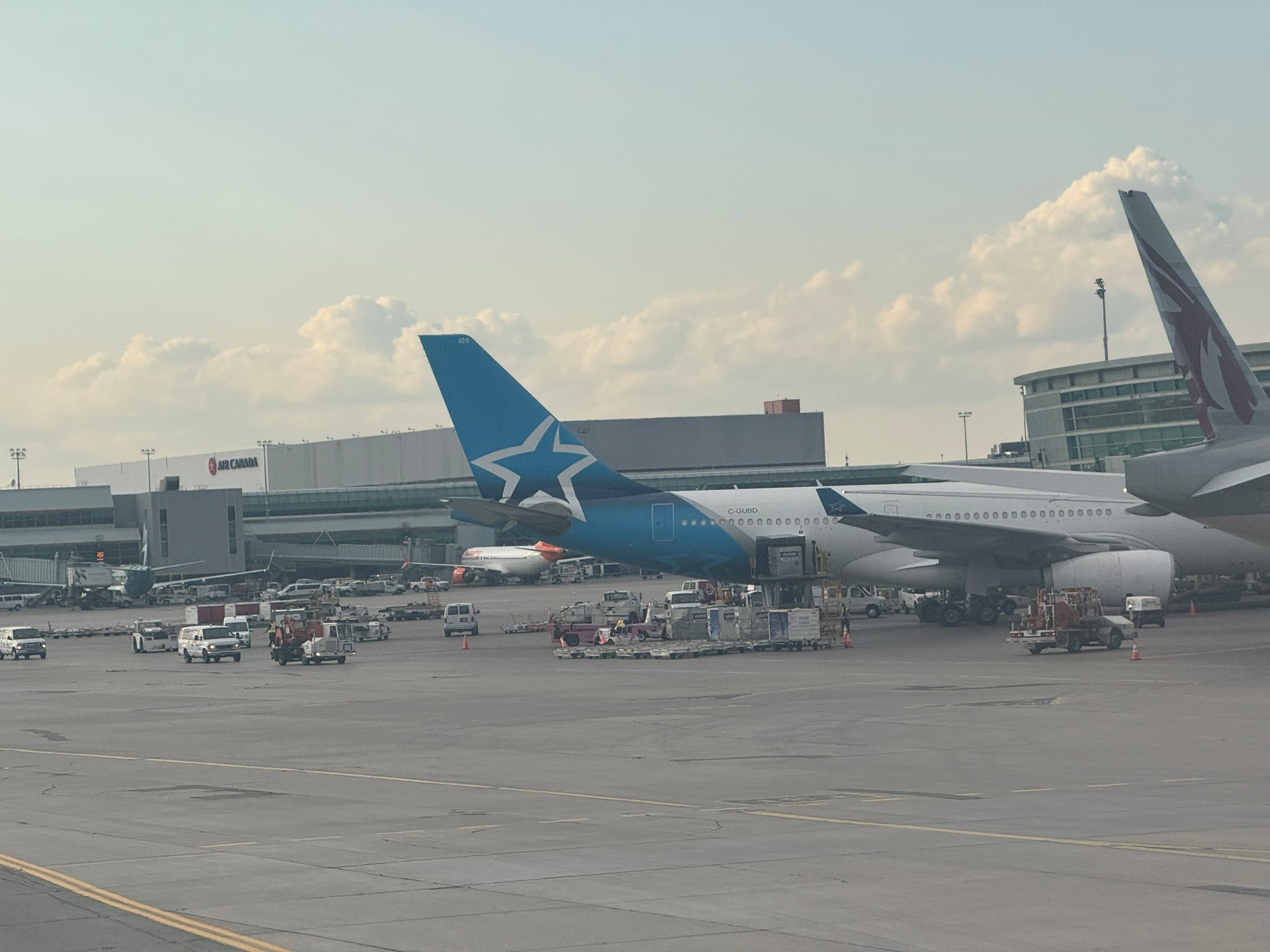
Canada’s skies are getting lonelier, and not in a good way. Despite a few brave new players trying to disrupt the aviation sector, the market remains heavily dominated by Air Canada and WestJet. This duopoly—comfortably controlling up to 78% of domestic passenger traffic—means fewer options, higher prices, and a lackluster flying experience for Canadian travellers.
Enter the Competition Bureau with a refreshingly bold idea: allow for 100% foreign ownership of domestic-only airlines. It’s a recommendation that deserves serious attention from Ottawa, because let’s face it—the current system isn’t working for consumers, or for the industry.
The Bureau’s recent study lays it bare: our aviation market is too concentrated, new entrants are struggling or folding (just ask Lynx Air or Swoop), and Canadians are paying the price, both literally and figuratively. Meanwhile, other countries have been far more open to foreign investment in aviation, allowing capital and expertise to fuel competition and innovation.
So why not Canada?
The proposal to create a new class of Canadian airline—one that operates domestically but can be wholly owned by foreign investors—is a practical and forward-thinking solution. We’re not talking about handing over control of our skies to foreign carriers flying in from abroad; we’re talking about allowing capital and know-how from around the world to help build airlines that are Canadian in function, focused solely on serving Canadian passengers.
The current 25% cap on single foreign investors is an outdated relic. Even raising it to 49%, as the Bureau also recommends, would be a step in the right direction. But if we’re serious about shaking up the status quo and making airfare more affordable, we need to go all the way.
And there’s proof this can work. Studies have shown that even a single new competitor on a route can drive down prices by about 9%. More competition doesn’t just mean cheaper tickets; it forces existing airlines to improve service, reliability, and innovation—things Canadian travellers are desperate for.
Critics may worry about losing control or compromising safety standards. But these concerns can be mitigated through regulatory oversight. What we can’t afford to do is let fear prevent necessary reform. Right now, the real risk is in doing nothing.
Let’s also not ignore another sensible point from the report: secondary airports should be allowed to compete for international routes. Why should Pearson or Vancouver monopolize global access? Smaller airports can drive regional economic growth and provide much-needed alternatives for passengers outside the major urban centers.
There are also calls for a national working group to focus on improving service to remote communities—a critical aspect of a truly inclusive air travel system. These are the kinds of reforms that, taken together, could finally move us toward an aviation sector that puts people first, not corporate giants.
Ultimately, this isn’t about ideology. It’s about pragmatism. If Canadian airlines can’t stay in the air without access to foreign capital, and if Canadian consumers are being underserved by an oligopolistic market, then we must be open to change.
Allowing 100% foreign ownership of domestic airlines isn’t a threat—it’s an opportunity. One that could finally make flying in Canada more competitive, affordable, and fair. And after years of turbulence in the skies, that’s a flight path we should all be eager to board.