Why Canada Should Stick with the F-35 Deal, and Stop Flirting with a Split Purchase
Afroza Hossain
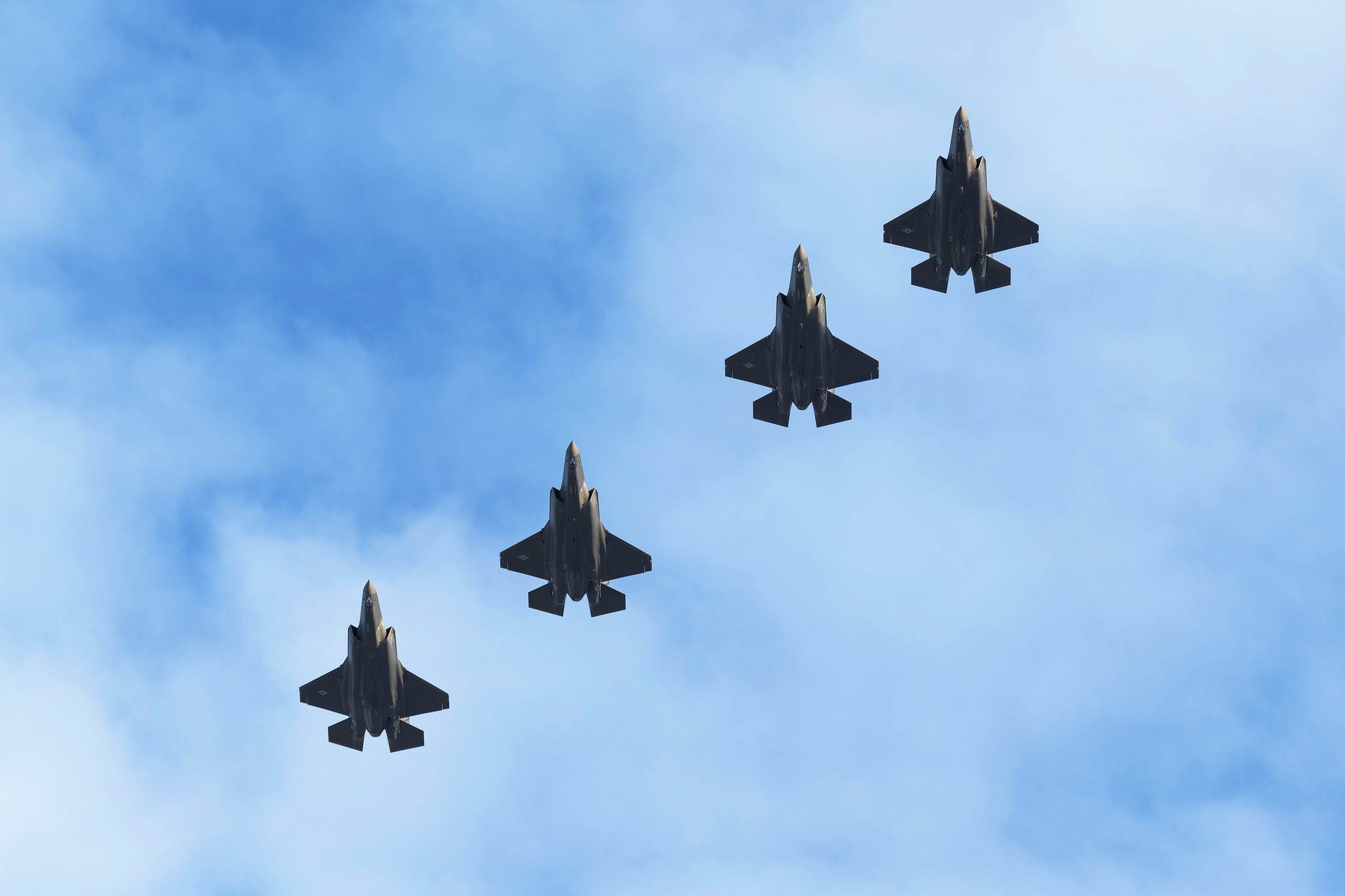
There’s a certain temptation in politics to keep every option on the table it makes you look independent, tough, and not beholden to anyone. Prime Minister Mark Carney has certainly tried to project that image, especially after winning the April election on a platform of standing up to U.S. President Donald Trump. One of his more high-profile moves was ordering a review of Canada’s planned purchase of 88 F-35 fighter jets from Lockheed Martin, questioning whether it was wise to buy exclusively from an American supplier.
Now, after months of study, Canadian defence officials have effectively said: don’t mess with the plan. While their review stopped short of a formal recommendation, it left little doubt that splitting the order buying some jets from a European rival would be an expensive and inefficient idea. The reasoning is straightforward: the F-35 is not just another fighter jet. It’s the most advanced in its class, and the Canadian military’s training, supply chain, and maintenance are already closely tied to the U.S. Armed Forces. Introducing a second fleet would mean higher costs, more training headaches, and logistical complexity we simply don’t need.
It’s also worth noting that Canada has already legally committed funds for the first 16 aircraft. Changing course now for the remaining 72 would almost certainly mean delays and a heavier bill for taxpayers. In other words, any “independence” gained by splitting the order could come at the expense of military readiness and fiscal responsibility.
There’s a diplomatic dimension, too. Relations between Ottawa and Washington aren’t exactly on a honeymoon phase, thanks to tariffs and stalled talks over a new trade and security deal. Going ahead with the full F-35 order would remove a potential irritant at a time when Canada’s leverage in those negotiations is already limited.
Carney has softened his rhetoric since taking office, acknowledging that tariffs or not Canada is in a better position than many other nations facing U.S. economic pressure. The F-35 decision is a perfect example of where pragmatism should win out over political posturing.
The truth is, Canada’s air force needs these jets, and it needs them to work seamlessly with our allies. Splitting the order might make for a good soundbite, but in practice, it would be costly, complicated, and potentially risky. Sometimes, the smartest move is the one you’ve already committed to.
If the government truly wants to stand up for Canada’s defence interests and Canadian taxpayers it should listen to its own military experts and stick with the F-35 plan. Anything else would be an expensive way to prove a political point.