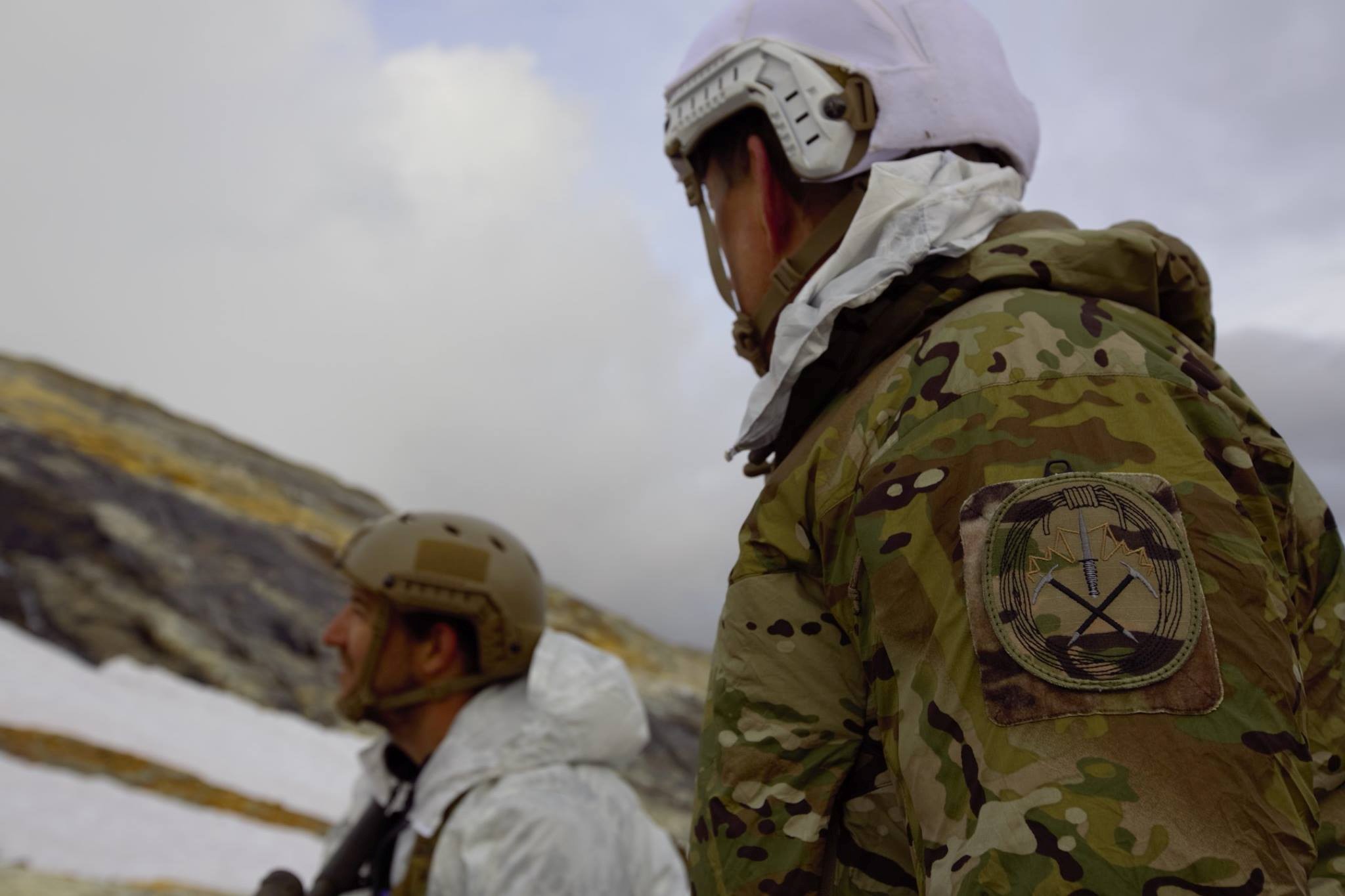
For the first time in nearly three decades, the Canadian Armed Forces are getting a pay raise worth talking about up to 20% for some ranks along with a raft of new benefits and bonuses. Prime Minister Mark Carney framed it as “a generational change in pay,” and he’s not wrong. From privates to colonels, thousands of service members will see bigger paycheques, better allowances, and incentives that finally start to match the demands placed on them.
On paper, it’s a victory. For the lowest ranks, starting pay jumps from $43,368 to $52,044 a significant leap that might actually make military service more attractive in a job market where even entry-level civilian wages have been creeping upward. Add in new daily disaster response allowances, Arctic duty top-ups, and recruitment bonuses of up to $30,000 for “stressed” trades, and the package is clearly designed to tackle both recruitment and retention.
But here’s the uncomfortable truth: this isn’t just generosity it’s necessity. The CAF is facing critical shortages in about 40% of its occupations. It’s losing thousands of trained members each year. And it’s been asked to do more with less for far too long. Pay has lagged behind inflation and responsibility, while the job has only gotten tougher from domestic disaster relief to Arctic sovereignty patrols to supporting NATO commitments in an increasingly volatile world.
Carney’s move is also as much about geopolitics as it is about fairness. Canada has pledged to hit NATO’s 2% GDP defence spending target by the end of this fiscal year and now there’s talk of pushing that to 5% by 2035. Meeting those numbers requires more than buying ships and fighter jets; it demands the trained people to operate them.
Of course, a pay raise alone won’t fix the military’s problems. Better housing for members and their families, modernized infrastructure, streamlined recruitment processes, and a cultural shift to address morale issues are just as essential. As retired general Wayne Eyre rightly put it: “You can buy all the nice, new, shiny equipment you want, but if you don’t have the people… it’s useless.”
So yes this is a long-overdue win for the people who wear the Maple Leaf in uniform. But it’s also a reminder that rebuilding Canada’s military strength is a marathon, not a sprint. Fair pay is the starting line, not the finish.