Canada’s Next Step in Policing: Are Drones as First Responders a Game-Changer or a Step Too Far?
Arshad Khan
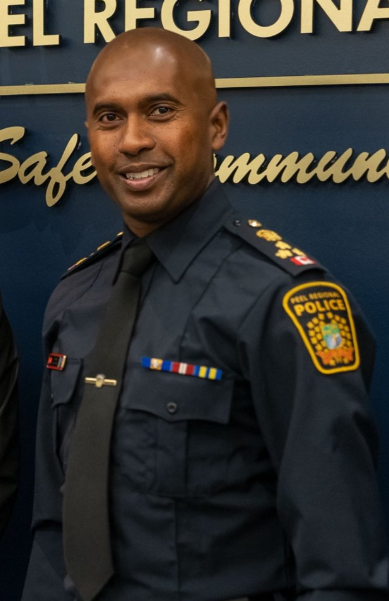
It seems the future of policing in Canada is about to take flight quite literally. Peel Regional Police, serving one of the country’s most densely populated areas, may soon start using drones as first responders to certain 911 calls.
Deputy Chief Anthony Odoardi has called the initiative potentially the first of its kind in Canada, aiming to slash response times and give officers a clearer picture before they even arrive on the scene. The drones could be dispatched for cases like in-progress break-ins, missing vulnerable people, or auto thefts situations where every second counts.
On paper, it makes perfect sense. A drone can be in the air in moments, reach areas faster than a squad car, and send back live footage to police. The benefits are hard to ignore quicker responses, better intel for officers, and, potentially, lives saved. We’ve already seen proof. Just last June, an Ontario Provincial Police drone was instrumental in finding a missing three-year-old after a frantic four-day search across two provinces. In Vancouver, drones have helped catch dangerous suspects and assist in hundreds of missions annually.
But here’s where the conversation gets complicated privacy. Police say the drones won’t be used for general surveillance or facial recognition, and they promise safeguards like privacy impact assessments and community consultations. Still, technology has a way of pushing its own boundaries over time. What starts as a tool for emergencies could, without strong oversight, creep into everyday monitoring. That’s the slippery slope civil liberties advocates worry about.
The Peel pilot program will be small at first, focused on assessing value, cost, and community impact. This is a wise move. Technology is only as good as the trust people place in it, and trust is earned, not declared. If citizens see drones helping without overstepping, acceptance will grow. If not, the program risks becoming another flashpoint in the privacy vs. security debate.
Personally, I think this is a bold, promising step provided that the police stick to their word and the public holds them accountable. Emergencies demand speed, and drones could be the fastest, safest way to get eyes on the ground. But we can’t afford to trade liberty for efficiency without constant vigilance.
Canada’s skies might soon be busier, but whether that feels reassuring or unsettling will depend entirely on how responsibly this technology is used.