When Members of Parliament cross the floor, it is rarely a quiet political moment. It raises uncomfortable questions about loyalty, mandate, and motive questions that are now front and centre after two Conservative MPs left their party to join Prime Minister Mark Carney’s Liberals.
In a recent interview with Global News, Carney rejected the idea that his government “lured” Opposition MPs. Instead, he framed their decision as a natural outcome of the Liberals’ work in government. According to the prime minister, they weren’t courted they were “attracted.”
That distinction matters, at least politically. Carney’s language paints the floor crossings as an endorsement of his government’s direction rather than a backroom political manoeuvre. “They came to us,” he said, calling their decision a “positive vote for the government” at what he described as a crucial moment for the country.
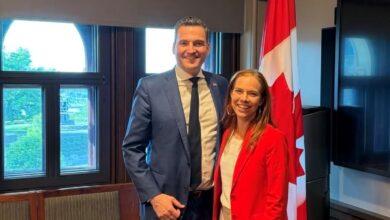
Still, even by Carney’s own account, the process wasn’t entirely hands-off. He confirmed that he met with the MPs near the end of their decision-making process. And he made it clear the door remains open for others to follow, saying the Liberals are “looking for that support because the country needs to move forward.”
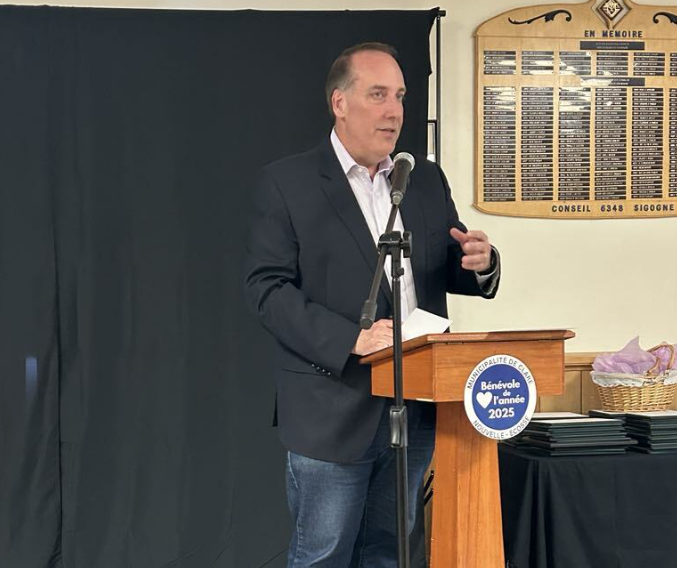
From the government’s perspective, the political math is hard to ignore. With Nova Scotia MP Chris d’Entremont and Ontario MP Michael Ma joining the Liberals, the party now holds 171 seats just one short of a majority. In practical terms, that puts Carney’s government within striking distance of near-total control of the House, even without a formal election mandate.
But the optics are far more complicated.
For the Conservatives, the floor crossings represent a betrayal. Leader Pierre Poilievre was blunt in his criticism, arguing that Michael Ma “chose to endorse the very policies he was elected to oppose.” His frustration taps into a long-standing democratic concern: voters elect candidates under a party banner, not as political free agents.
That tension sits at the heart of this debate. Are MPs primarily accountable to their conscience and judgment, or to the voters who chose them based on party affiliation and promises? Floor crossings blur that line and often leave constituents feeling sidelined.
Carney’s supporters may see these defections as proof of momentum, a sign that even political opponents recognize the appeal of the Liberal agenda. Critics, however, see a government quietly consolidating power by absorbing MPs who were elected on the promise of opposition.
In the end, whether these crossings are viewed as principled choices or political opportunism depends largely on where one sits. What is clear is that they strengthen the Liberals in Parliament while weakening public trust in the stability of party politics.
And that raises a question that no interview soundbite can easily answer: when MPs cross the floor, is it really the government they’re voting for or themselves?