Shattered Hope at the Strait: Canadians Brace for Another Surge at the Pump
Taslima Jamal
The cautious optimism that had taken hold at Canadian gas stations over the past two weeks has evaporated almost overnight. A peace agreement between the United States and Iran one that briefly appeared within reach has fallen apart, leaving global oil markets rattled and Canadian drivers facing the prospect of rising fuel costs once again.
Patrick De Haan, a senior petroleum analyst at GasBuddy, pulled no punches in his assessment of where things stand.
The backdrop to all of this is a crisis that has been roiling international energy markets since late February, when armed conflict led to a near-total halt in shipping through the Strait of Hormuz one of the world’s most critical chokepoints for oil transport. The disruption sent crude prices surging and quickly rippled through to forecourts across the country.
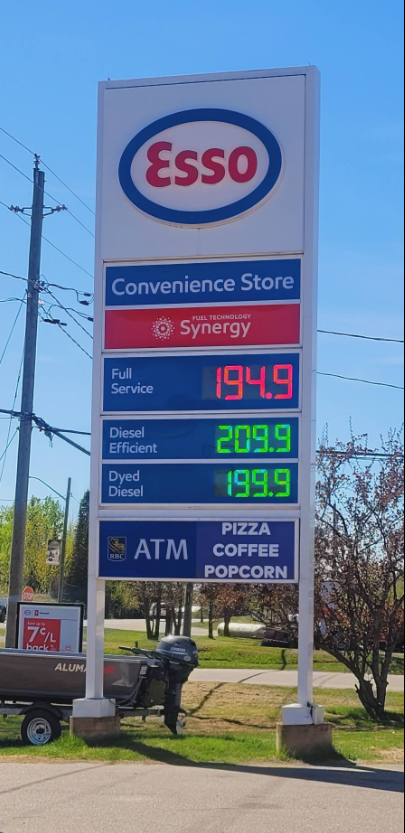
Hints of a diplomatic breakthrough had offered Canadian motorists some respite. As word spread that negotiations were underway, oil markets calmed in anticipation that tanker traffic through the strait might soon resume. Pump prices responded accordingly national averages tracked by the Canadian Automobile Association fell from a high of $1.90 per litre in early May to around $1.81 last week, and $1.69 as of Monday.
On May 29, U.S. President Donald Trump announced via social media that an American naval blockade on the Strait of Hormuz would be lifted but only once Iran formally agreed to a peace deal. The statement momentarily buoyed hopes.
Those hopes did not survive the weekend.
By Monday morning, the situation had deteriorated sharply. The United States struck multiple targets in Tehran; Iran responded with attacks on regional sites, with Kuwait reporting incoming fire. Iranian state television broadcast footage of a ballistic missile launches the missile bearing a sticker depicting a bruised President Trump overlaid on a sealed Strait of Hormuz, captioned: “Until the last American soldier leaves the region.”
Oil markets reacted swiftly. West Texas Intermediate crude climbed past US$94 per barrel, a roughly nine per cent jump from lows touched just days earlier when a deal had seemed imminent.
De Haan estimates Canadians will see pump prices climb between five and 15 cents per litre in the coming days and weeks, with the exact figure depending on the region. Diesel, he notes, tends to respond more slowly to crude price swings and may lag behind.
The bigger concern, analysts say, is not just the price level but the pervasive uncertainty that has settled over global energy markets. Each time a deal has appeared close this marks the third such episode it has collapsed without result, eroding confidence that a resolution is anywhere near.
De Haan did not mince words about the political dimension of the protracted conflict, warning that persistently high gas prices which could reach record levels by summer are beginning to alarm members of the Republican Party ahead of the midterm elections.
For now, the message to Canadian motorists is straightforward: the brief reprieve at the pump is over. Drivers should expect to dig deeper and possibly for some time yet.