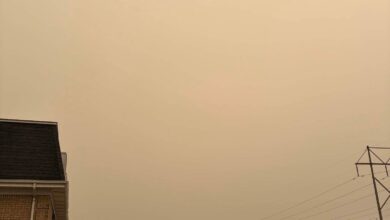
The smoky skies hanging over Ontario feel like an unwelcome guest that just won’t leave. From Windsor to Cornwall, and stretching all the way north into Fort Albany, the air is thick, the warnings are dire, and frankly, the sense of helplessness is growing.
Environment Canada has issued air quality statements and watches across the province, and if you’ve stepped outside lately, you know why. The acrid haze makes your throat scratchy, your eyes sting, and even a short walk can leave you coughing. But this is more than just an inconvenience—it’s a wake-up call.
We’re told to stay indoors, reschedule events, and limit physical activity. That might work for a day or two, but what about when this becomes a weekly occurrence? In some areas, conditions are expected to persist for several days, especially in the far north and east. And let’s not forget—this isn’t just about Ontario. The air quality watch stretches into Saskatchewan and even northeastern Quebec. This is a national issue, not a local one.
Meteorologists like Global News’ Anthony Farnell offer a small glimmer of hope with forecasts of rain clearing the skies temporarily. But even that optimism is short-lived. The smoke, he warns, will likely return by the weekend. Until a real, drenching rain hits the wildfire zones in the west, we’re stuck playing a dangerous waiting game.
And while temporary relief is great, it’s not a solution. We’re watching climate change unfold in real-time. Longer, hotter summers, drier forests, and more frequent wildfires—it’s all connected. And yet, the conversation still feels reactive, not proactive. Where’s the long-term strategy? Where’s the urgency to address the root causes?
Let’s be clear: this isn’t just about discomfort. As Environment Canada bluntly stated, “During heavy smoke conditions, everyone’s health is at risk regardless of their age or health status.” That should alarm us all. Vulnerable populations—children, seniors, people with respiratory issues—are hit the hardest, but even the healthiest among us are not immune.
So, as the skies darken with smoke again, we need to stop treating this as a seasonal nuisance. It’s time to confront the reality: this is our new normal unless we take serious action on climate change, forest management, and emergency preparedness. Breathing clean air should not be a luxury.
Until then, stay safe. But let’s not stay silent.