Prime Minister Mark Carney is edging closer to securing a majority government, with the outcome hinging on three key federal byelections scheduled for April 13.
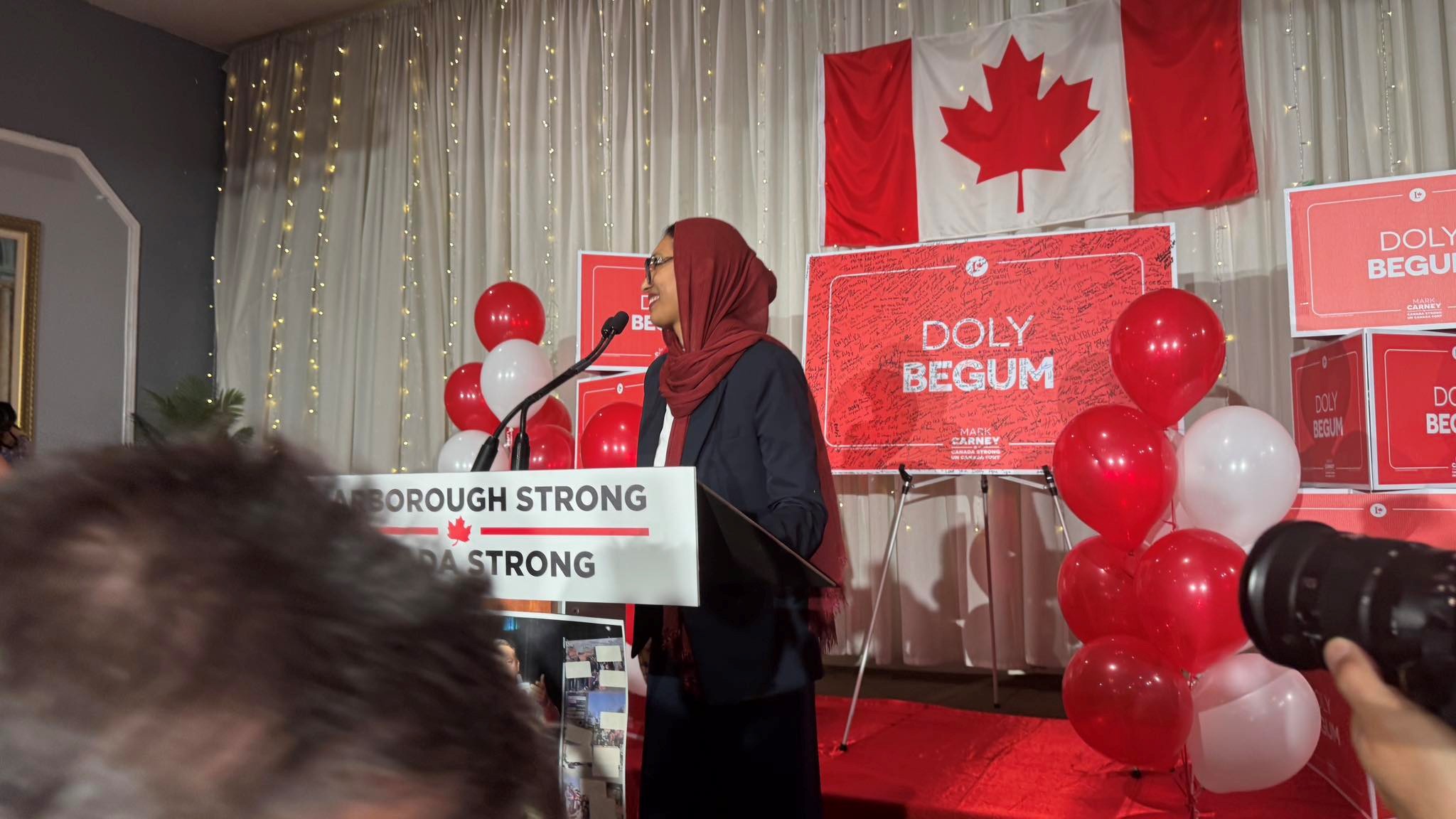
Voting will take place in two Toronto-area ridings Scarborough Southwest and University–Rosedale and one riding in the Montreal region, Terrebonne. These contests could whether the Liberals cross the critical 172-seat threshold required for a majority in the House of Commons.
Following a significant political shift earlier this week, former Conservative MP Marilyn Gladu crossed the floor to join the Liberals, boosting their seat count to 171 just one short of a majority. If the Liberals secure victories in at least two of the three byelections, they will comfortably surpass the threshold, allowing them to pass legislation without depending on opposition parties or the Speaker’s tie-breaking vote.
Advance polling has already concluded, but eligible voters still have an opportunity to cast their ballots at local Elections Canada offices until Tuesday evening.
The byelections were triggered by high-profile departures. Former cabinet minister Bill Blair vacated his Scarborough Southwest seat after being appointed Canada’s High Commissioner to the United Kingdom in February. Meanwhile, Chrystia Freeland stepped down from her University–Rosedale seat in January to take on a new role as an economic adviser to Ukrainian President Volodymyr Zelenskyy.
In Terrebonne, the race has drawn particular attention following a dramatic legal battle. Liberal candidate Tatiana Auguste was initially declared the winner of the seat by a single vote in the April 2025 federal election. However, Bloc Québécois candidate Nathalie Sinclair-Desgagné successfully challenged the result at the Supreme Court of Canada after a mail-in ballot dispute, leading to a rematch.
The Liberals’ near-majority position has also been bolstered by a series of defections from other parties since late 2025. Among them: Chris d’Entremont, a longtime Nova Scotia MP, cited alignment with the Liberal budget’s focus on infrastructure and economic growth. Michael Ma joined the party in December, praising Carney’s “steady, practical approach.” Matt Jeneroux followed in February after discussions with family and constituents about continuing his parliamentary role. Lori Idlout became the first New Democrat to cross over, emphasizing the need for stronger representation and decision-making for Nunavut.
Carney has described these moves as a “positive vote of confidence” in his government’s direction, noting that many of the MPs approached the Liberals independently, drawn by the administration’s policies and leadership.
The stakes are high. A majority would grant the Liberals greater autonomy in governing, reducing reliance on opposition support and enabling smoother passage of legislation during a critical period for Canada.
As voters head to the polls, the results of these three ridings could reshape the balance of power in Ottawa and determine how firmly Mark Carney holds the reins of government in the months ahead.