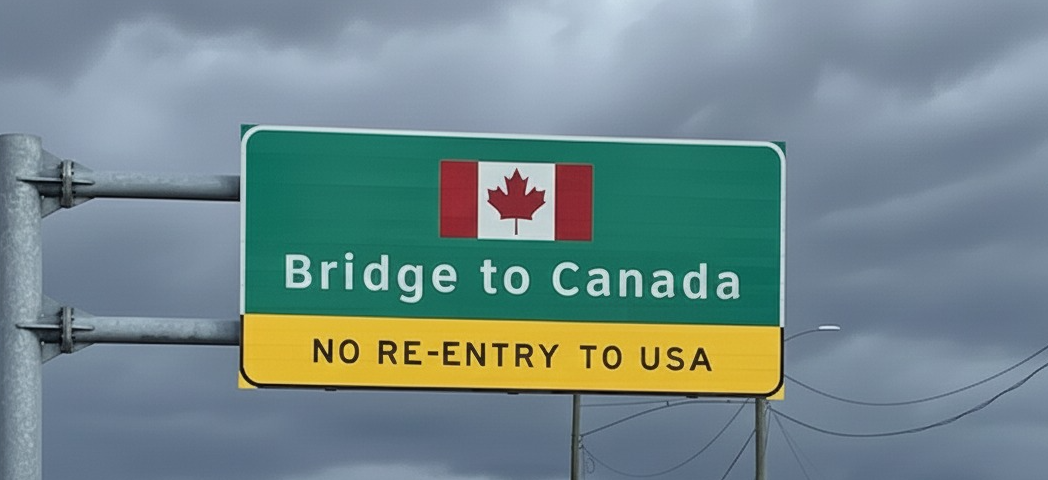
For decades, the United States has been the default getaway for Canadians. Whether it was a weekend of shopping across the border, a winter escape to Florida, or a big family trip to Disney World, the U.S. felt familiar, convenient and welcoming. That era, it seems, is coming to an end.
Nearly two-thirds of Canadians planning to travel in 2026 are now looking beyond the United States, according to the latest travel survey data. On the surface, this might look like a simple shift in vacation preferences. But dig deeper, and it’s clear this change is rooted in something far more serious: a growing sense of distrust, discomfort and political fatigue.
A recent Flight Centre Canada survey conducted by YouGov found that 62 per cent of Canadians say they are less likely to travel to the U.S. next year compared to the year before. Only eight per cent say they are likely to visit the U.S. in 2026. Instead, Canadians are choosing to stay closer to home or look farther abroad travelling within Canada, or heading to Europe, Asia, Mexico and other regions seen as more predictable and welcoming.
This isn’t happening in isolation. Ipsos polling for Global News has repeatedly shown how deeply opinions have shifted. In September, six in 10 Canadians said they could never trust the U.S. the same way again. Earlier in the summer, nearly three-quarters said they intended to avoid U.S. travel altogether, while a similar number said they were avoiding U.S.-made goods. That kind of sentiment doesn’t emerge overnight and it doesn’t fade quickly.
Politics sits at the centre of this rupture. U.S. President Donald Trump’s renewed trade war, including tariffs imposed on Canada, has left many Canadians feeling targeted and disrespected. His repeated remarks about Canada becoming the “51st state” may be framed as rhetoric, but for many Canadians, they crossed a line. As Ipsos’ Kyle Braid put it, anger toward Trump and the U.S. administration “does not really appear to be waning.”
But politics isn’t the only factor. More than half of survey respondents pointed to concerns about the political and cultural climate in the U.S. Border processing was another major issue, followed by safety concerns and rising costs driven by exchange rates and travel expenses. In other words, even Canadians who might otherwise look past politics are finding fewer practical reasons to go south.
The generational divide is also telling. Older Canadians are the most resistant to U.S. travel, with more than three-quarters of Baby Boomers and older saying they plan to avoid it. Younger Canadians are more open, but even among Gen Z, nearly half say they’re steering clear. That suggests this isn’t just a temporary boycott it may signal a longer-term shift in attitudes.
The travel industry is already feeling the impact. Flight Centre Canada reports that leisure bookings to the U.S. in 2025 are down as much as 40 per cent year over year. At the same time, overall travel demand hasn’t collapsed. Canadians are still travelling they’re just choosing destinations they perceive as safer, friendlier and better value.
Statistics Canada’s data reinforces this trend, showing nine consecutive months of declining Canadian air travel to U.S. destinations. That kind of consistency points to a structural change, not a blip.
Ultimately, this isn’t just a story about where Canadians vacation. It’s about how political decisions, rhetoric and cross-border relationships shape everyday choices. Travel is personal. It reflects where people feel welcome, respected and at ease. Right now, for many Canadians, the United States no longer fits that description.
If the U.S. wants Canadians back not just as tourists, but as trusted neighbours it will take more than cheap flights and good exchange rates. It will take a reset in tone, policy and mutual respect. Until then, Canadians seem content to look elsewhere.