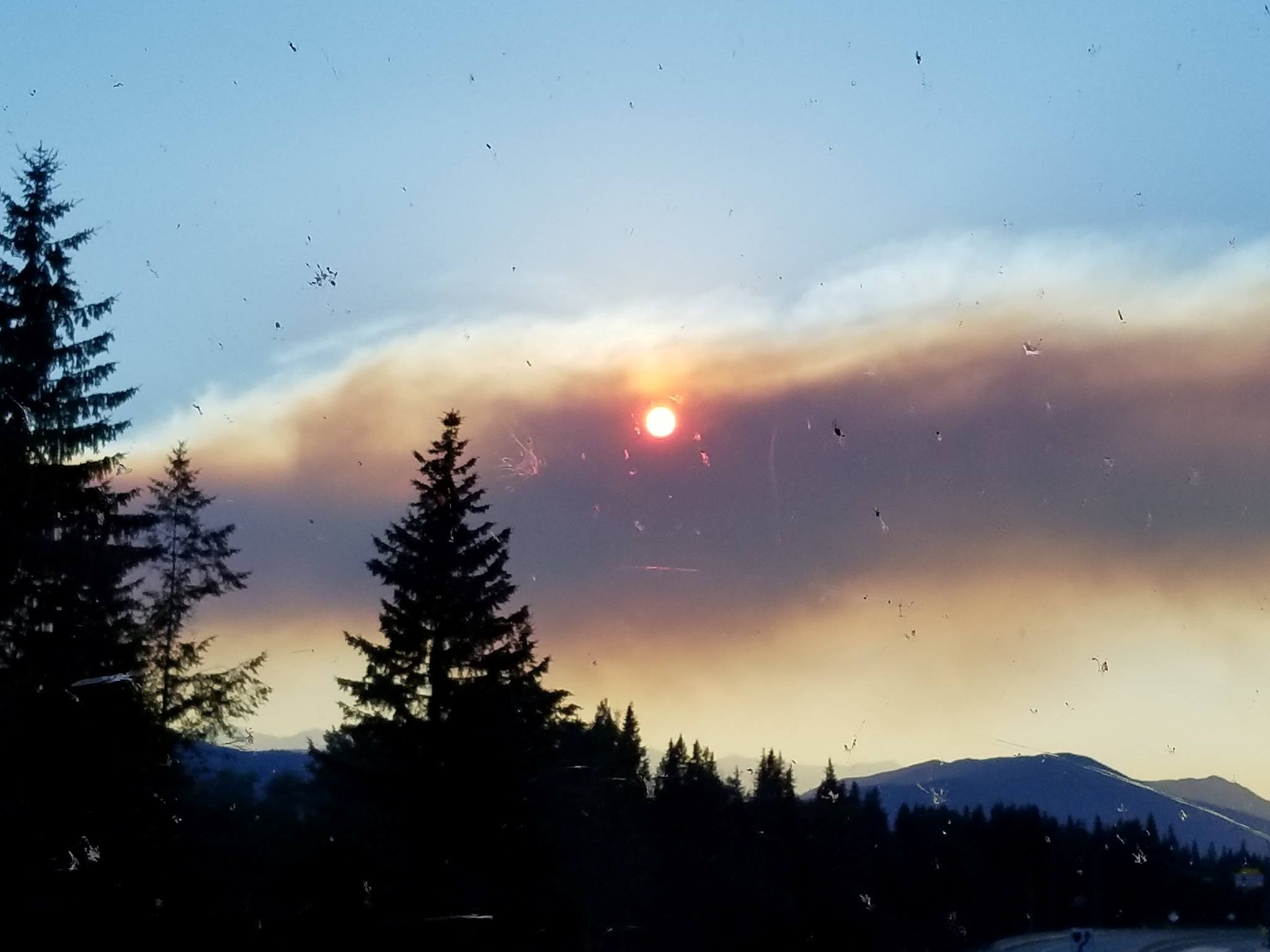
Every summer, Canadians brace themselves for the return of wildfire season a reality that has grown more severe and relentless with each passing year. This time, the fires are back with a vengeance, scorching over four million hectares already, and it’s not even the peak of the season. Despite the valiant efforts of thousands of firefighters battling blazes across the country, it’s becoming painfully clear: we’re not just dealing with isolated fires anymore we’re watching the climate crisis unfold in real time.
Across Global News’ interactive wildfire map, the magenta circles signaling out-of-control fires dominate the screen like warning lights flashing across the nation. Yellow dots show where fires are being held, and green ones indicate some level of containment. But the sheer size of the magenta perimeters often massive clusters of merged wildfires is overwhelming.
This isn’t just a “bad season.” This is a symptom of a larger, long-term problem. Climate change is driving hotter, drier conditions from coast to coast. Canada is warming at nearly twice the global rate, and the consequences are burning right in front of our eyes.
The map provides up-to-the-minute details about fire locations, size, and status, which is incredibly helpful for those of us trying to stay informed. But let’s be honest no map can ease the anxiety of knowing your home could be the next one under threat. For many communities, especially those in rural and Indigenous territories, these fires mean evacuation orders, destroyed livelihoods, and long recoveries. For wildlife, it’s a habitat lost. For the atmosphere, it’s more carbon feeding the very crisis that caused the fires to begin with.
Yes, check the map. Yes, listen to your local authorities for alerts and evacuation orders. But more than anything, it’s time to raise our voices. Because while firefighters are holding the line on the ground, it’s up to the rest of us to hold our leaders accountable. We need real policy shifts from aggressive carbon reduction strategies to better forest management and disaster preparedness funding. Band-aid solutions won’t work anymore.
The wildfires burning today are not isolated disasters. They’re a warning flare from the planet, and it’s high time we stop treating them like seasonal inconveniences and start calling them what they are: a climate emergency.