Billions Owed, Millions Affected: Canada’s COVID Benefit Reckoning Has Arrived
Arafat Rahman
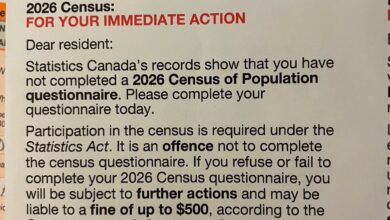
The numbers released by the Canada Revenue Agency are staggering, but not entirely surprising. More than four years after the height of the pandemic, the CRA says it is still owed $10.35 billion in COVID-19 benefits money that was meant to be a lifeline during a national emergency but has now become a source of anxiety, anger, and controversy for millions of Canadians.
Between emergency lockdowns and economic freefall, the federal government moved quickly. Too quickly, some would argue. By November 2023, the CRA had disbursed $83.5 billion in pandemic-related benefits, including $45.3 billion through the Canada Emergency Response Benefit (CERB). Speed was the priority. Precision was not.
That trade-off made sense at the time. People needed help immediately rent was due, groceries had to be bought, and jobs were vanishing overnight. The government chose to trust Canadians first and verify later. Now, “later” has arrived.
According to CRA spokesperson Nina Ioussoupova, the agency began sending recovery letters in 2023 to people who were overpaid or who received benefits without being eligible. As of Nov. 30, about 1.4 million Canadians have already repaid $3.3 billion. That figure shows many people are acting in good faith, doing their best to settle what they owe even when it hurts.
But it also highlights the scale of the problem. Millions are still on the hook, often for thousands of dollars, at a time when inflation, housing costs, and interest rates are already squeezing household budgets. For some, the debt stems from honest confusion. CERB eligibility rules shifted, were poorly communicated, or only became clear long after the money was spent. People applied believing they qualified sometimes on advice from employers or online guidance only to be told years later that they did not.
The CRA says it will take “firm and responsible” action and may pursue legal measures against those who avoid repayment. While deliberate fraud should absolutely be addressed, there is a real risk here of treating confusion and hardship as criminal behavior. A blunt enforcement approach could punish people who acted in good faith during an unprecedented crisis.
This moment calls for balance, not just authority. Yes, public money must be protected. Yes, intentional abuse should have consequences. But fairness matters too. Flexible repayment plans, partial forgiveness in hardship cases, and clear communication should be the default not threats of legal action.
The pandemic required extraordinary trust between government and citizens. If that trust is to survive the cleanup phase, accountability must be paired with compassion. Otherwise, what began as emergency relief risks becoming a long-term burden financially and socially for the very people it was meant to protect.