India and Canada Move Toward a Free Trade Deal After Years of Diplomatic Frost
Sathia Kumar
India’s Commerce and Industry Minister Piyush Goyal touched down in Canada this week carrying more than a briefcase he brought with him a delegation of over 100 senior business figures and, by all accounts, a renewed sense of purpose in one of the world’s most strategically important bilateral relationships.
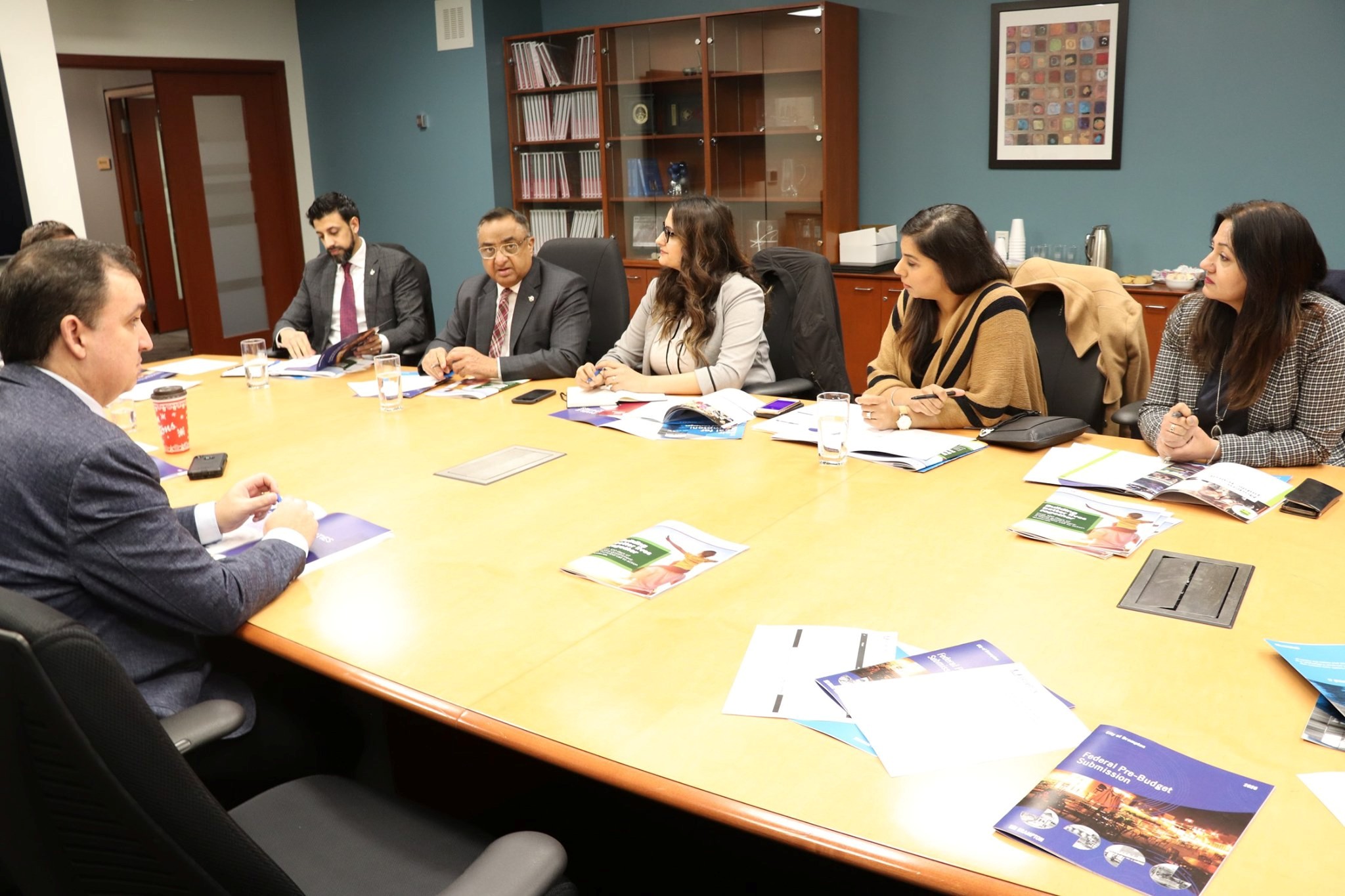
The visit, which kicked off Tuesday with a face-to-face meeting between Goyal and Canadian International Trade Minister Maninder Sidhu, marks the highest-profile trade engagement between the two countries in years. India is calling it the largest business delegation it has ever sent to Canada a deliberate signal that New Delhi is serious about turning diplomatic goodwill into economic architecture.
Goyal was candid about what he sees as a historic inflection point. He credited Prime Minister Mark Carney’s visit to Mumbai and New Delhi in March one of Carney’s first major foreign trips after assuming office in 2025 as having “paved the way for a complete overhaul” of the Canada-India relationship. Both sides, he said, are now actively working to finalise a free trade agreement before the year is out.
The warming of ties has been years in the making but accelerated sharply after Carney made resetting relations with India a stated priority from virtually his first days in office. The two nations had endured a prolonged period of diplomatic chill under the previous government, and Carney’s decision to make India an early port of call was widely read as a deliberate break from that posture.
On the Canadian side, Minister Sidhu offered a telling glimpse into how the two governments have been keeping the momentum alive between formal meetings. “WhatsApp diplomacy,” he called it a lighthearted but revealing description of an unusually direct, informal channel of communication that has developed between trade officials on both sides. Sidhu also confirmed that Canada would be sending its own delegation to India later this year to continue the negotiations.
The business contingent accompanying Goyal spans an impressively broad range of industries mining, energy, automotive, and aerospace among them underscoring India’s ambition to build a multidimensional economic partnership rather than one confined to a few signature sectors. For Canada, a country actively seeking to diversify its trade relationships, the prospect of deeper ties with one of the world’s fastest-growing major economies carries obvious appeal.
Whether both sides can convert this optimism into a signed agreement by December remains to be seen. Free trade negotiations are notoriously complex, and the history of Canada-India trade talks has not been without its stumbles. But the political will on display this week and the sheer scale of India’s outreach suggests that, this time, both capitals mean business.