Spirit Airlines Shuts Down: What It Means for Canadian Travellers Hunting Budget Fares
Sathia Kumar
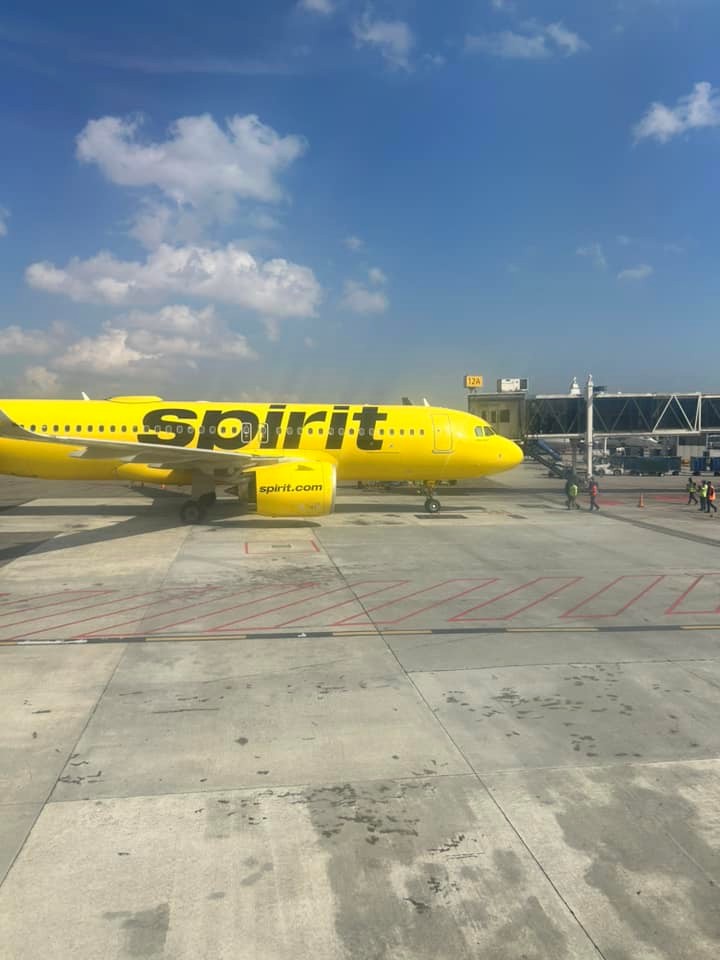
For years, a quiet ritual played out at border crossings in Ontario and Quebec. Canadians would pack their bags, drive across into the United States, and board a Spirit Airlines flight often saving hundreds of dollars on fares that simply didn’t exist on this side of the border. That ritual is now over.
Spirit Airlines announced Saturday that it is ceasing all operations immediately, grounding its entire fleet and urging ticketed passengers to stay home. The Florida-based ultra-low-cost carrier, which had spent more than three decades positioning itself as the scrappy champion of affordable air travel, said it had run out of road financially and out of time.
The trigger was fuel. A sharp and sustained spike in oil prices, driven in part by ongoing instability in the Middle East including tensions involving Iran, pushed jet fuel costs to a level the airline simply could not absorb. Spirit’s president and CEO, Dave Davis, said the company had actually reached a restructuring agreement with its bondholders back in March 2026 a deal that was supposed to be its lifeline. But the sudden surge in fuel prices in the weeks that followed rendered the plan unworkable almost before the ink was dry.
“The sudden and sustained rise in fuel prices in recent weeks ultimately has left us with no alternative but to pursue an orderly wind-down,” Davis said in a statement, calling the outcome “tremendously disappointing.”
The airline would have needed hundreds of millions of dollars just to keep flying. That money never came.
For Canadian travellers particularly those within driving distance of U.S. airports like Plattsburgh in New York or Niagara Falls just across the border Spirit’s collapse removes one of the few remaining levers for finding genuinely cheap international fares. The airline’s bare-bones model, which stripped out every amenity and charged for everything from carry-ons to seat selection, wasn’t exactly comfortable. But it was affordable, and that counted for a lot.
John Gradek, an aviation management expert at McGill University, says the brand carried real weight in the budget travel market.
“The Spirit brand had a lot of value in the marketplace,” he said. “This was a cash problem, and they just could not get enough revenue to cover overhead.”
Spirit’s demise isn’t happening in a vacuum. The same fuel-cost pressures squeezing budget carriers are beginning to ripple through the broader airline industry, and Canadian carriers aren’t immune.
Air Canada has already quietly suspended several routes. WestJet is consolidating flights. Air Transat has announced it is cutting capacity. Even with Canada’s domestic refining capacity providing some insulation, experts warn that travellers could still face higher ticket prices and more frequent cancellations if fuel prices stay elevated.
Gradek didn’t mince words when asked about what comes next.
“Even some of the major airlines could be in trouble. It’s not going to be a pretty picture,” he said. “The question right now is how high fuel prices are going to go?”
For those holding Spirit tickets, the picture is mixed. Passengers who booked directly through the airline will receive automatic refunds. Those who went through third-party booking platforms are being directed to contact those providers directly.
Anyone who paid using Spirit vouchers, travel credits, or Free Spirit loyalty points will have to wait compensation in those cases will be sorted out later through the bankruptcy process, with no firm timeline yet given.
The advice from the airline is blunt: don’t go to the airport.
For now, Canadian bargain hunters will need to look elsewhere and in a market where budget options were already thin, that search just got a lot harder.