Every spring, a new wave of graduates steps off campus carrying transcripts, student debt, and the quiet confidence that hard work would count for something. This year, hundreds of thousands of them are finding the door smaller than they expected and, in many cases, already closing.
Across Canada, recent post-secondary graduates are navigating a job market that has shifted beneath them without warning. The entry-level positions that once served as career launchpads are vanishing, competition has intensified at every rung of the ladder, and a widening gap between what universities teach and what employers now demand is leaving young Canadians caught in the middle.
Steven Wang, chief executive of non-profit Venture for Canada, has a name for it. He calls it the “experience gap” and he believes it is one of the defining economic pressures facing the next generation of workers.
The numbers behind Wang’s concern are striking. Youth unemployment in Canada has climbed to 14 per cent exactly twice the national average. Meanwhile, one in five small businesses have quietly shuttered their entry-level positions altogether, erasing the very opportunities that once allowed graduates to build the foundational experience employers now say they require before hiring anyone.
It is a circular problem with no obvious exit: jobs demand experience, but the jobs that build experience are disappearing. For the graduates caught inside that loop, the frustration is personal and immediate.
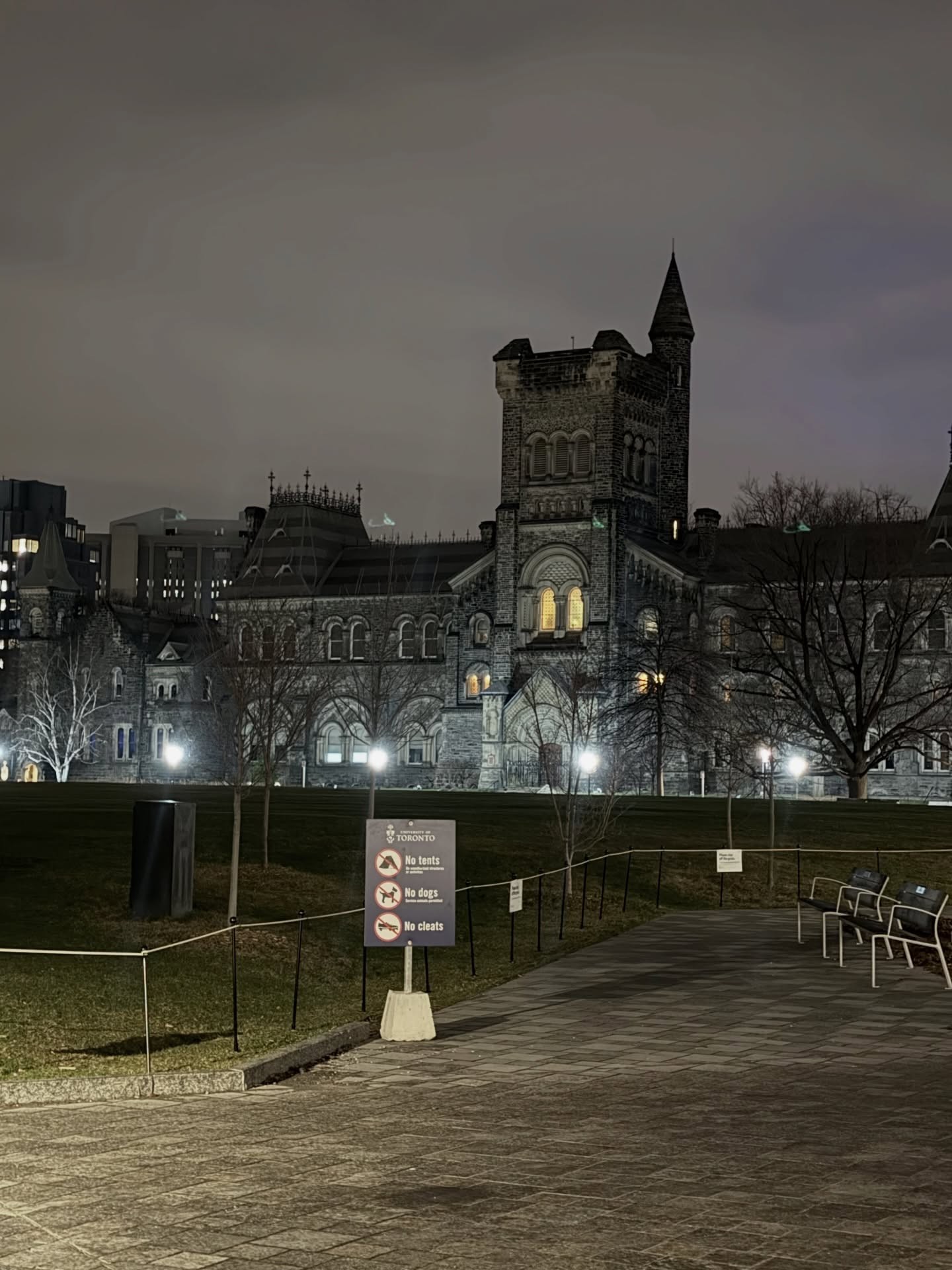
Serina Woo graduated from the University of Toronto in 2025 and has been searching for a full-time role ever since. She has pieced together a living through part-time work, but finds herself repeatedly outbid not by peers with better grades, but by master’s degree holders applying for the same positions she thought her undergraduate education qualified her for.
Malavoy Mundle’s trajectory is one many graduates are quietly accepting. After leaving school last June, she found that stable, well-paying work in her field of interest felt out of reach without an advanced degree. Her conclusion: return to school, specialize, and accept that the straight line from undergraduate study to meaningful employment no longer reliably exists.
Wang frames what graduates like Woo and Malavoy Mundle are experiencing not as a temporary dip in the business cycle, but as something more structural and potentially more lasting. He points to the accelerating adoption of artificial intelligence in the workplace as a force that is already beginning to reshape which tasks entry-level workers were once hired to perform. The ripple effects, he argues, are only beginning to be felt.
“This might just be the beginning,” Wang said. “We’re seeing the anticipatory impact of AI and other disruptions.”
His organization, Venture For Canada, works to connect graduating students with employers willing to invest in talent rather than wait for it to arrive fully formed. But Wang is clear that the scale of the challenge outpaces what any single non-profit can address. What is needed, he argues, is coordinated action across government, post-secondary institutions, and the private sector, a shared commitment to building concrete, realistic pathways into the workforce for a generation that has, by most measures, done everything it was asked to do.
For now, that chance remains elusive for far too many. The graduates waiting for it are not idle; they are working restaurants, picking up contract shifts, and reconsidering paths they thought were settled. They are adapting, as young people always have. What remains to be seen is whether the systems around them will do the same.