Gas Prices Surge Amid Iran Conflict, Relief Likely Delayed Even if Ceasefire Emerges
Sohelly Ahmed
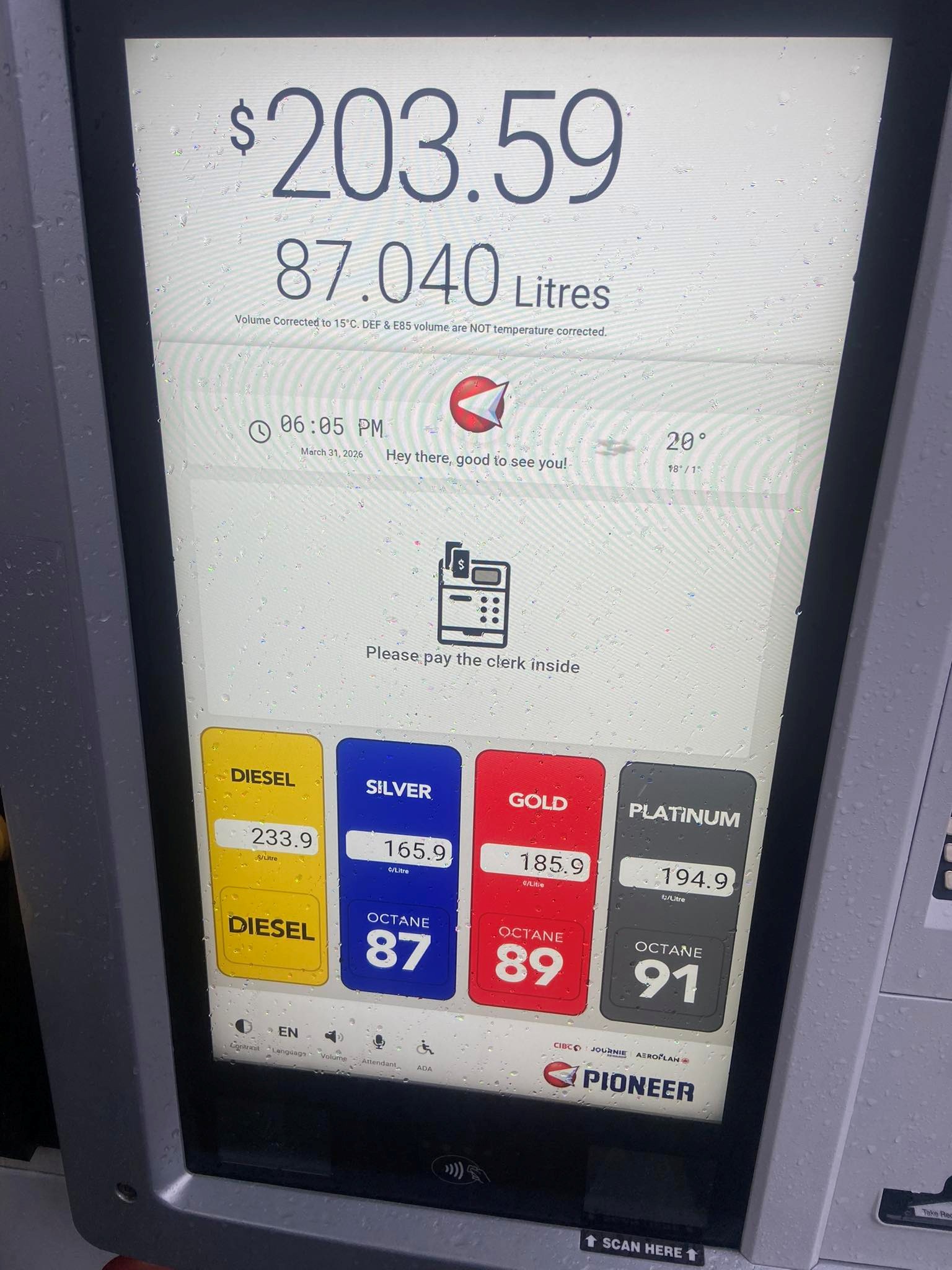
Consumers feeling the pinch of rising fuel costs due to escalating tensions involving Iran may have to wait longer than expected for any meaningful relief at the pump even if a ceasefire is eventually reached.
Over the past month, global oil markets have reacted sharply to disruptions in supply linked to the conflict. A key flashpoint has been the Strait of Hormuz, through which roughly 20% of the world’s crude oil passes. Iran’s threats to restrict access to the vital shipping lane have sent shockwaves through energy markets, driving crude prices as high as $120 per barrel at one stage.
Although prices have recently eased to around $90 amid speculation of possible peace talks, experts caution that volatility remains high.
According to Jon Allen, a senior fellow at the University of Toronto’s Bill Graham Centre, any resolution is unlikely in the immediate future. He noted that negotiations, if they gain traction, could take weeks to develop into a tangible ceasefire.
“There’s no indication of a quick breakthrough,” Allen said, suggesting that consumers should not expect fuel prices to drop in the coming days.
Economic uncertainty is further compounded by mixed political signals. While former U.S. President Donald Trump recently indicated that negotiations with Iran were underway, Tehran has reportedly rejected ceasefire proposals, signalling that both sides remain far apart on key issues.
Meanwhile, reports indicate that the United States military is preparing to deploy additional troops to the region, a move likely to heighten tensions rather than ease them.
Economist Trevor Tombe from the University of Calgary emphasized that oil markets are inherently unpredictable. Even minor shifts in supply or geopolitical messaging can cause significant price swings.
“Oil prices react quickly, but consumer prices don’t adjust at the same pace,” Tombe explained. “Even if crude prices fall, it may take weeks or longer for that relief to be reflected at gas stations.”
The impact extends beyond fuel. Higher oil prices also drive-up costs for transportation and agricultural inputs like fertilizer, which can eventually lead to increased food prices. Experts estimate a lag of six to nine months before such cost increases are fully felt by consumers.
For now, the outlook remains uncertain. If geopolitical tensions persist and critical supply routes remain under threat, consumers may continue to bear the financial burden of the conflict long after any ceasefire is announced.