Snow, Salt, and Patience: Why Winter in Ontario and Quebec Is Still a Test of Civic Endurance
Syed Azam
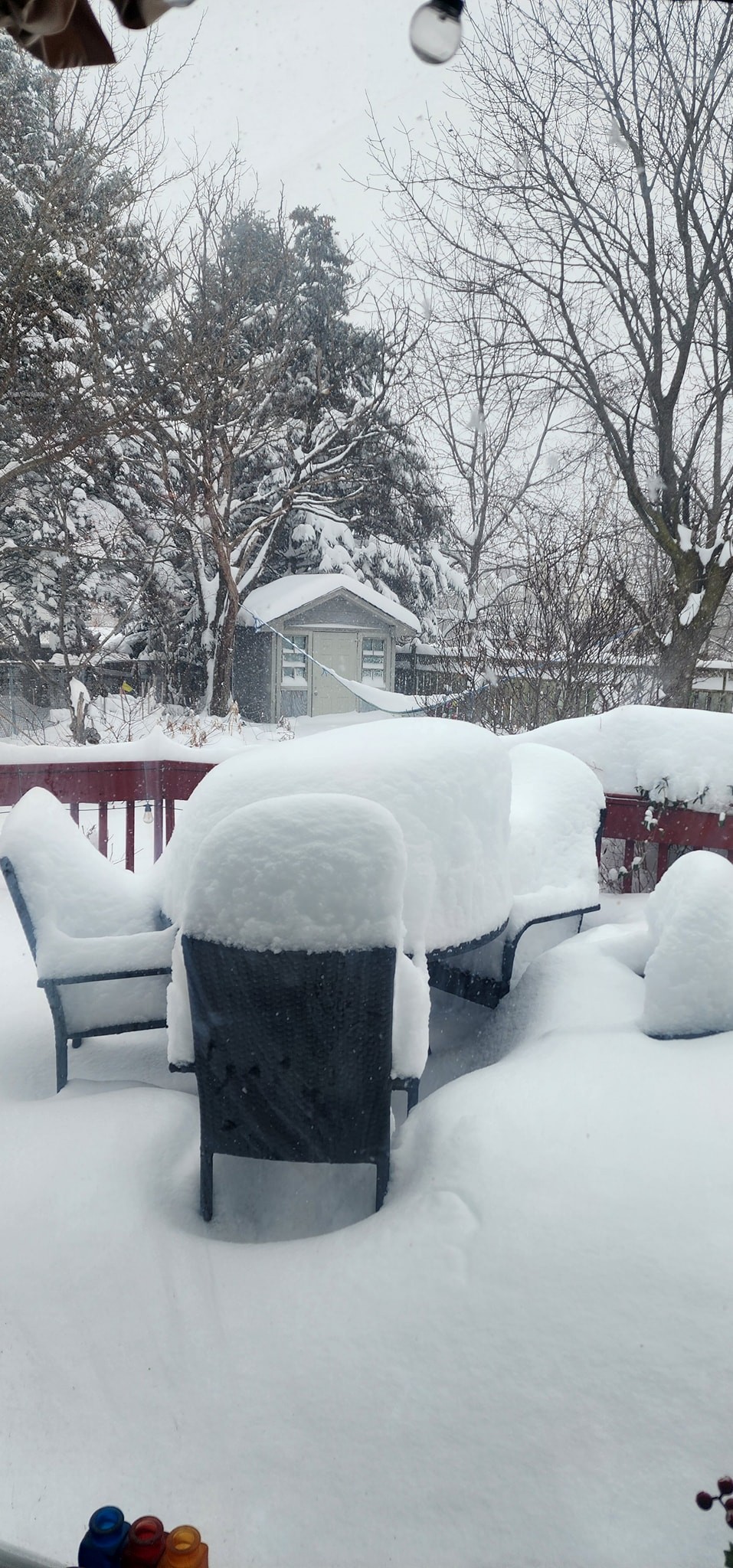
Another blast of winter weather is sweeping across Ontario and Quebec, and while none of this should surprise Canadians, it still manages to disrupt daily life in ways that feel both familiar and frustrating. With Environment Canada warning of 10 to 20 centimetres of snow and a sharp drop in temperatures over the next 48 hours, residents are once again bracing for slippery commutes, delayed travel, and the slow grind of snow clearing.
On paper, cities across Ontario, the GTA, and Montreal have detailed and well-organized snow removal plans. In reality, how those plans feel on the ground often depends on where you live, when the snow falls, and how patient you’re prepared to be.
Take Toronto, for example. The city averages about 130 centimetres of snow annually, so winter storms are hardly rare events. The rules are clear: expressways get attention once snow hits 2.5 centimetres, major roads at five centimetres, and residential streets at eight. High-profile routes like the Gardiner Expressway, Don Valley Parkway, and major arterials such as Yonge and Eglinton are rightly prioritized.
Once snowfall ends, the city aims to clear expressways within two hours and residential streets within 14. Sidewalks can take up to 48 hours. From a logistical standpoint, this makes sense. From a pedestrian’s perspective especially seniors, parents with strollers, or people with mobility challenges it can feel like an eternity.
Montreal approaches winter with the confidence of a city that knows snow intimately. Streets are cleared in three priority levels, starting with major arteries, bus routes, schools, and hospitals, before moving on to collector and residential streets. Plowing begins at 2.5 centimetres, and once accumulation reaches 10 to 15 centimetres, snow loading operations kick in.
What Montreal arguably does better than most is transparency. The city’s live snow removal map allows residents to see when their street is scheduled for clearing. It doesn’t make the snow disappear faster, but it does reduce uncertainty and that alone can ease frustration.
Ottawa, perched between Toronto and Montreal, follows a familiar script. Emergency and transit routes come first, followed by bus routes, sidewalks, and eventually residential streets. The city admits it can take anywhere from six to 24 hours after snowfall stops to complete plowing, and that clock resets if snow starts falling again. For anyone living on a quiet residential street, that disclaimer explains why plows sometimes seem to arrive “late,” even when crews have been working nonstop.
In suburban communities like Oakville and Brampton, the strategy is similar, but the wait can feel longer. Primary roads are plowed continuously, while residential streets may not see a plow until snow has stopped and accumulation crosses a specific threshold. In Oakville, that can mean up to 24 hours after snowfall ends. In Brampton, the city’s goal is to make roads safe within 24 hours or 48 hours after major storms. These timelines are practical, but they still test residents who need to get to work, school, or medical appointments.
Waterloo rounds out the picture with standards tied to provincial guidelines. Major routes are cleared first, residential streets later, and sidewalks within 48 hours, with priority given to high-traffic pedestrian areas. Again, sensible in theory, but often challenging in practice during prolonged or back-to-back storms.
The truth is, winter snow clearing is a balancing act between resources, safety, and public expectations. Cities can’t clear everything at once, and prioritization is necessary. Still, every storm renews the same debate: are we doing enough, fast enough, for the people most affected?
As this latest round of snow settles in, perhaps the real test isn’t whether plows meet their timelines, but whether cities continue to improve communication and equity in how winter services are delivered. Snow is inevitable. Frustration doesn’t have to be.