Pierre Poilievre’s New Campaign Captain: A Calculated Bet on Stability and Party Unity
Taslima Jamal
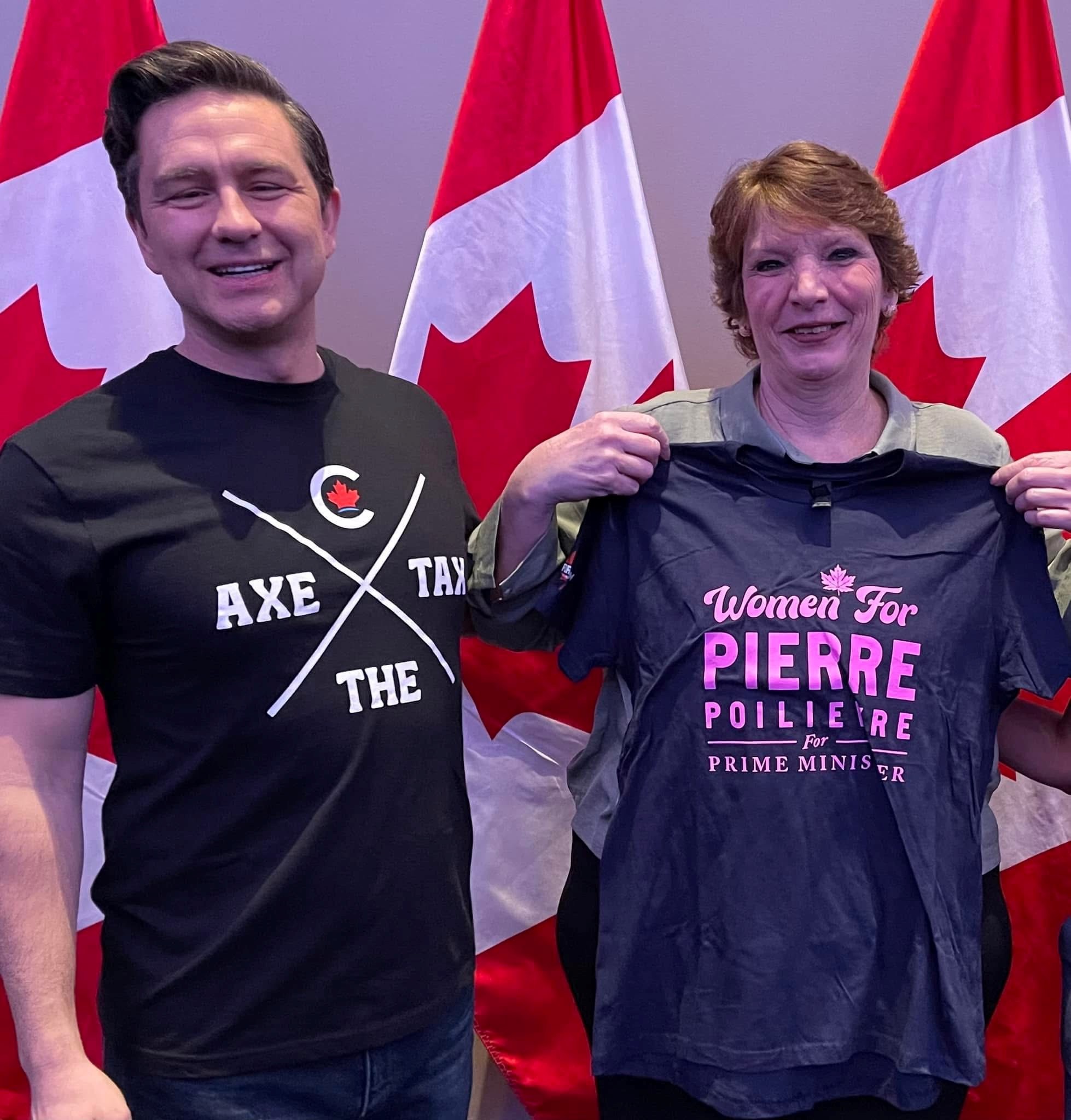
Pierre Poilievre’s decision to appoint Steve Outhouse as his new campaign manager is more than a routine staffing change it’s a strategic move that reveals both the strengths and anxieties inside today’s Conservative Party. And it may signal how Poilievre plans to navigate a volatile political landscape ahead of the next federal election.
At first glance, Outhouse is a safe, almost predictable choice. He’s been a loyal Conservative operative for decades, with experience across multiple provinces and factions of the Tory movement. His résumé includes successful provincial campaigns in Alberta and Newfoundland and Labrador, and he carries the reputation of being an affable, steady hand perhaps exactly what the Conservatives need after a bruising year filled with internal tensions, slipping poll numbers, and public questions about Poilievre’s leadership.
But what stands out most is why Outhouse was chosen now.
Poilievre is entering a period where stability matters. Despite maintaining roughly 40 per cent support, the Conservatives are still trailing Mark Carney’s Liberals, according to current polling averages. Poilievre’s personal favourability has taken a noticeable hit, with a recent Angus Reid survey placing him at a net -26 his worst since taking over the party. And with MPs defecting or retiring early, the Conservative caucus has been showing cracks at the worst possible moment.
Against that backdrop, Outhouse isn’t just a campaign manager; he’s the antidote to chaos.
His reputation for listening, consulting, and managing diverse personalities within the party makes him a unifier at a time when cohesion is essential. Conservatives have long struggled with internal divides between social conservatives, libertarians, Red Tories, and populists but Outhouse is one of the few figures widely respected across these camps. That matters when the next campaign may require tough decisions that won’t please everyone.
Another crucial factor is his personal chemistry with Poilievre. Their relationship goes back over a decade, when Outhouse served as Poilievre’s chief of staff during the final months of Stephen Harper’s government. Trust at the top is priceless in a national campaign and after the departure of Jenni Byrne, a longtime heavyweight within the party, Poilievre clearly wanted someone who understands him instinctively.
Yet the most interesting part of Outhouse’s story might be his political evolution. Once a self-identified Liberal moved by Paul Martin’s fiscal discipline, he drifted right after the 2004 Liberal campaign demonized Harper’s social conservatism. It’s a reminder of how wedge politics can shape political identities not just for voters, but for the strategists who end up guiding future campaigns. Today, no one questions Outhouse’s conservative bona fides, but his journey gives him insight into the moderate voters the party needs to win back.
The real test for Outhouse will come when Conservatives face Mark Carney, a fresh Liberal leader with technocratic credibility and mainstream appeal. While Poilievre should easily survive the upcoming leadership review at the convention in January, the bigger question is whether his campaign under Outhouse’s direction can turn Conservative momentum into an election victory.
For now, appointing Outhouse is a signal: Poilievre wants discipline, unity, and strategic calm heading into a defining election. And if Outhouse can deliver that, this quiet appointment may end up being one of the most consequential decisions Poilievre has made as leader.