Fingerprinting Fiasco: Why U.S. Border Rules Are Leaving Canadian Snowbirds in the Cold
Arafat Rahman
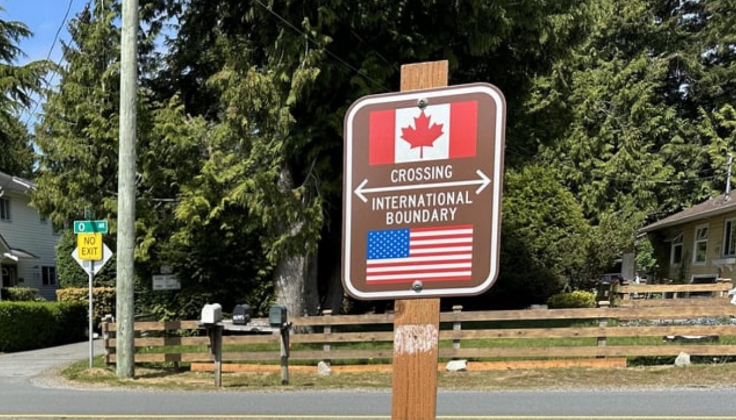
Every winter, tens of thousands of Canadian snowbirds pack their cars, trailers, and RVs, and head south to the U.S. in search of sunshine. It’s a migration as predictable as the seasons retirees escaping snowbanks for palm trees. But this year, there’s a new chill in the air, and it’s not coming from the weather.
Since March, U.S. Customs and Border Protection (CBP) has introduced new registration requirements for foreign nationals including Canadians staying in the U.S. for more than 30 days. The policy, tied to fingerprinting, photographing, and new registration forms, is causing confusion and frustration at border crossings across the country.
According to the Canadian Snowbird Association (CSA), the process has been anything but consistent. Some travellers are being fingerprinted and charged a $30 processing fee for an I-94 form upon entry. Others are waved through with no mention of additional paperwork. The CSA says it all “appears to vary depending on the individual border officer and location.” In short, it’s a bureaucratic lottery.
The inconsistency has left many snowbirds scratching their heads. Are they required to register? Should they expect to be fingerprinted? Do they need to file extra forms after they arrive? Even the official guidance seems vague. The U.S. Citizenship and Immigration Services (USCIS) website quietly includes Canadians in a broader rule about “aliens who have not registered,” but offers little clarity on how, exactly, the process should work for those entering by land.
This confusion isn’t just an inconvenience it’s emblematic of a larger problem. For years, Canadians have enjoyed a relatively seamless border experience with the U.S., built on mutual trust and shared economic benefit. But now, under the banner of tightening immigration rules, that trust feels strained.
While it’s understandable that the U.S. wants to maintain accurate records of who enters and stays in the country, applying the same procedures used for undocumented migrants to retired Canadians spending the winter in Florida seems, frankly, heavy-handed.
The CSA’s advice for now is simple: cross the border as usual, then check whether an I-94 form has been issued. If it has, print it and keep it on file. If not, Canadians are encouraged to file a G-325R form within 30 days. It’s a sensible workaround but one that highlights the system’s lack of clarity.
In 2024, Canadians made 39 million trips to the United States, accounting for three-quarters of all Canadian travel abroad. These aren’t people sneaking across the border; they’re tourists and retirees spending their savings in American communities.
If Washington truly values that relationship and the billions of dollars Canadians pour into the U.S. economy each year it needs to sort out this mess. A clear, consistent policy should be the bare minimum. Right now, it feels like Canadians are being treated as afterthoughts in a policy designed for someone else entirely.
The snowbirds deserve better. After all, they’ve earned their sunshine not a side of confusion and fingerprints with their winter getaway.