Wildfire Smoke Knows No Borders — It’s Time for Honest Cooperation, Not Finger-Pointing
Patrick D Costa

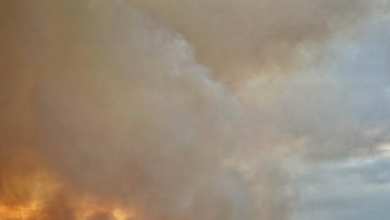
The summer skies over the American Midwest are hazy again — not from lazy clouds or lingering humidity, but from a now all-too-familiar intruder: Canadian wildfire smoke. And for many U.S. lawmakers, it’s time to demand answers.
Last week, several Republican members of Congress from Minnesota and Wisconsin penned a letter to the Canadian embassy in Washington, D.C., urging the Trudeau government to do more about its wildfire crisis. Their frustration is understandable: the smoke has returned, the warnings are in place, and for families hoping to enjoy their summers outdoors, the season has once again turned into a battle for clean air.
But while the complaints may sound straightforward, the reality is far more complex.
Representatives Tom Tiffany and Brad Finstad, joined by colleagues Pete Stauber, Michelle Fischbach, Glenn Grothman, and Tom Emmer, didn’t mince words. They cited a “lack of active forest management” and even arson as culprits behind the seemingly unending blaze of fires across Canada. They called on Canada to act, stating that with today’s technology, this “worrisome trend can be reversed.”
The frustration is real — and not unfounded. As of mid-July, over 2,600 fires have burned across Canada, with more than 100 currently listed as out of control. The plumes of smoke drifting across the border are no longer occasional occurrences — they are becoming an annual crisis. Last year was Canada’s worst fire season on record. This year, despite early warnings and some preparedness, the outlook remains grim.
However, blaming Canada exclusively misses the mark.
Climate change has created the perfect storm for extreme fire seasons: hotter, drier conditions, longer fire seasons, and forests increasingly stressed by disease and pests. Active forest management may help in some areas, but the idea that Canada has simply dropped the ball ignores the massive and complex nature of the problem — a problem the U.S. also grapples with, especially in western states like California and Oregon.
In fact, Canada and the U.S. have long collaborated on wildfire prevention and suppression. Natural Resources Canada emphasized this in their response, highlighting the over 600 U.S. firefighters deployed to assist with Canadian fires this year — a gesture deeply appreciated north of the border. Canada, in turn, has sent support to battle American wildfires, including in Los Angeles. These exchanges aren’t charity; they’re necessity, in a world where wildfires don’t respect borders.
To be clear, demanding better is not wrong. Elected officials have a responsibility to advocate for the health and safety of their constituents. Air filled with choking smoke should never feel normal. And yes, Canadian officials must continue to improve how they prepare for and manage wildfire seasons — not just for their own citizens, but for the millions of Americans downwind.
But it’s also time for a dose of realism and humility.
Wildfires are no longer just a Canadian problem. They are a North American — even global — challenge, one intensified by decades of environmental neglect and worsening climate conditions. Instead of pointing fingers, we need coordinated investment, shared technology, cross-border fire strategy, and serious dialogue about how to build resilience into our ecosystems.
If summer is indeed “the best time to spend outdoors recreating, enjoying time with family, and creating new memories,” then let’s make sure future summers aren’t spent behind closed windows, clutching inhalers and watching the sky turn orange.
That will take more than a strongly worded letter. It will take shared responsibility, bold action — and a little less smoke-blowing from both sides.