If you’re self-employed or a small business owner in Canada, you probably already know this feeling all too well — that nervous rush to get your taxes in on time. The deadline for most people fell on April 30, but for those who are self-employed or have a spouse or common-law partner who is, there’s a bit more wiggle room. Your deadline is June 15 — or this year, because June 15 falls on a Sunday, it’s been pushed back by a day to June 16.
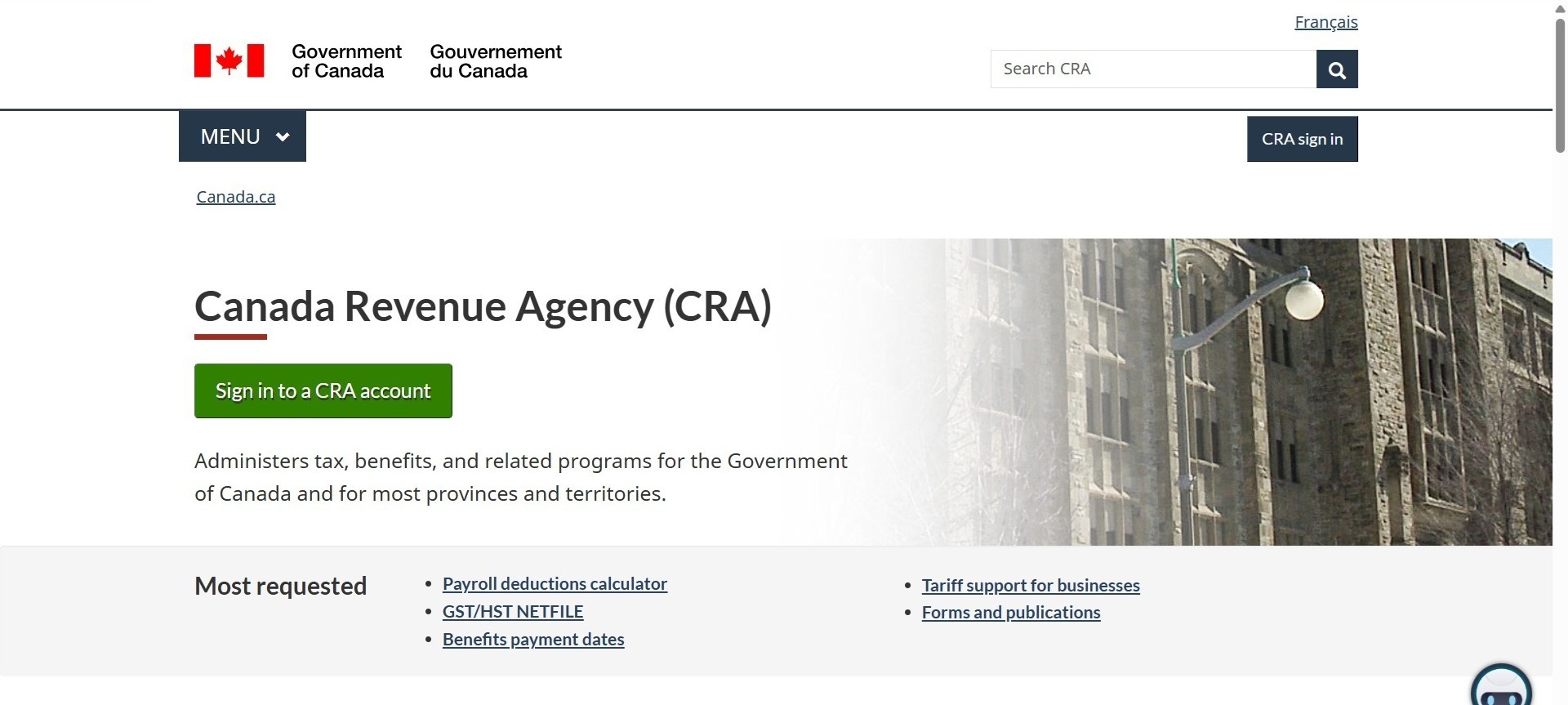
But just because you have that extra time to file doesn’t mean you’re off the hook when it comes to payments. The amount you owe to the Canada Revenue Agency (CRA) was due back in April — not June. That means if you hadn’t made a reasonable estimate of your taxes owing by then, you’re already racking up penalties and possibly even a painful 5% late-filing fee on the amount due.
“It’s a bit more involved for business owners and the self-employed to prepare their returns, just because there are a lot more moving parts — from calculating business income to figuring out eligible expenses — but it’s all the more important to do it accurately and on time.” That’s a view we often hear from tax experts like Ryan Minor, a Director of Tax at Chartered Professional Accountants of Canada.
Some of the most commonly missed deductions — home office expenses, vehicle expenses, capital cost allowances for big-ticket equipment, and meal and entertainment expenses — can make a huge difference to your final amount owing. But you need to be careful; the CRA has all kinds of rules about what’s eligible and what’s not.
Getting help isn’t always easy, either. The CRA phone lines can have hours-long waits, and sometimes calls are disconnected altogether. To make matters more challenging, the CRA recently announced job cuts — adding up to more than 3,000 positions — which means there are even fewer people available to answer questions.
On the technical side, some people have also dealt with website glitches this filing season. It’s hard enough to navigate taxes without wrestling with a slow or unreliable online filing system.
If you’re unsure, the CRA does have a Liaison Officer service, where a representative can walk you through your obligations, explain bookkeeping basics, and help you avoid future mistakes. But, honestly, this service is more helpful when you’re first starting a business — not when you’re days away from a deadline.
For many, hiring a professional accountant to handle their return is worth it. An accountant can maximize eligible expenses, minimize your taxes, and make sure everything is accurate. But if you’re going it alone, the key is staying organized and not putting it off.
So, if you’re a small business owner or you’re filing on behalf of a spouse or a common-law partner, the clock is ticking. The deadline might be a few days later this year, but penalties and late fees are already adding up. It’s a hectic time, and the CRA’s resources are stretched thin — all the more reason to be prepared and submit your return sooner rather than later.