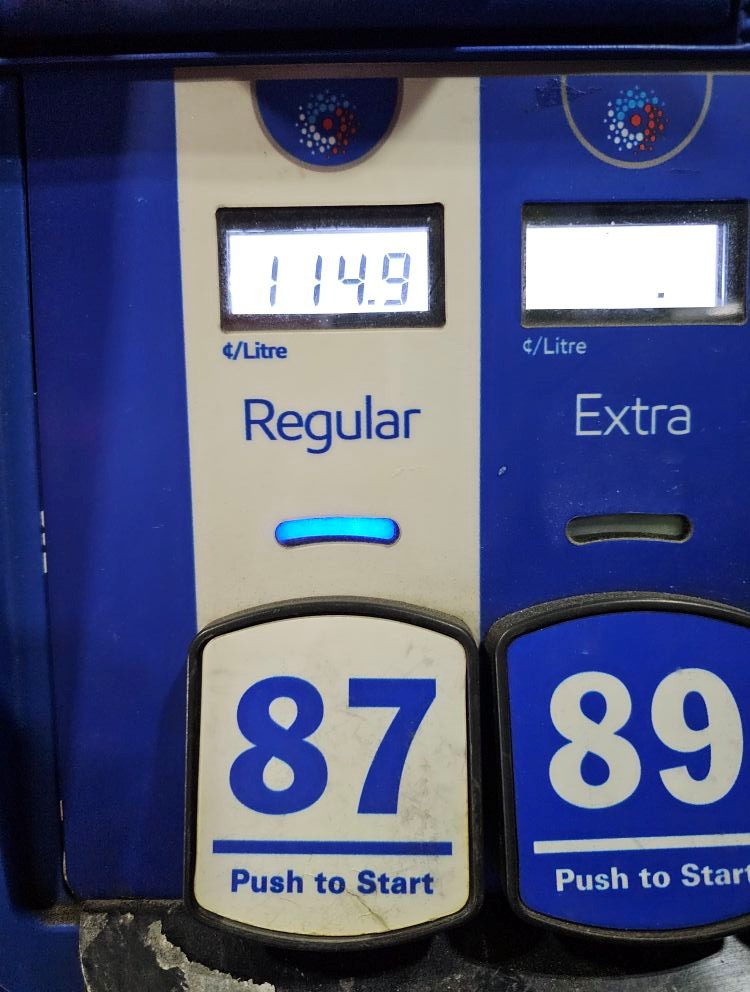
Let’s be honest—seeing gas prices drop at the pump feels like a small victory in a world where most things seem to be getting more expensive. Lately, many Canadians have been enjoying this rare financial relief, with fuel prices falling by as much as 15 to 20 cents per litre. That kind of dip can put a smile on anyone’s face, especially for drivers of bigger vehicles like trucks and SUVs. But before we start celebrating a new era of affordable fill-ups, let’s take a closer look at what’s really behind these cheaper prices—and why they might not stick around for long.
A big part of the story is political. On April 1, the federal Liberals scrapped the consumer carbon price—conveniently just before calling a federal election. That tax had added a noticeable cost to every litre of fuel, and its removal is a key reason we’re seeing prices drop so significantly. According to Patrick De Haan from GasBuddy, this is one of the steepest nationwide gas price drops in recent memory, and it highlights just how much the carbon tax had been impacting everyday Canadians.
Still, that’s only part of the equation. The bigger picture involves global forces, particularly fears of an economic slowdown. The international price of oil—what determines how much we pay for gas—is falling. Much of this stems from uncertainty triggered by a potential global recession, partly thanks to trade tensions sparked by former U.S. President Donald Trump’s tariff policies. As markets brace for lower demand across industries, from aviation to shipping to manufacturing, the price of crude oil has taken a hit. Lower demand means lower prices, and that trickles down to your local gas station.
Then there’s the move by OPEC+ to increase oil production, which seems counterintuitive at first glance. Why flood the market with oil when demand is expected to drop? It’s a risky play. More supply generally means lower prices, but if prices fall too far, it could hurt the oil-producing countries themselves—Canada included. De Haan warns that this strategy might not be sustainable if it ends up devaluing production investments and destabilizing economies tied to oil exports.
Canadian oil producers are watching cautiously. Companies like InPlay Oil say they’re not planning to make any rash cuts to production or spending—at least not yet. But if oil prices stay low, that pressure will mount.
From a consumer’s standpoint, though, it’s hard to complain. The national average gas price is around $1.30 per litre right now, compared to $1.63 just a year ago. That’s roughly $15 in savings per tank for the average vehicle. For Canadians watching every dollar, that’s a welcome break.
The question now is: how long will it last?
With the summer driving season fast approaching—a time when demand typically spikes—prices are likely to creep back up. Add in any surprise geopolitical developments or production shifts, and the market could swing overnight.
And let’s not forget that the consumer carbon tax debate is far from over. While it’s gone for now, it remains a political lightning rod. Conservative Leader Pierre Poilievre has promised to scrap the industrial carbon tax too, while Liberal Leader Mark Carney is floating the idea of a better alternative if re-elected. Depending on who takes power after April 28, we could see the policy pendulum swing once again.
So yes, it’s a good time to fill up and hit the road. But let’s not assume this is the new normal. Gas prices are volatile, and today’s relief could be tomorrow’s frustration. For now, though, we’ll take the win—and keep one eye on what’s next.