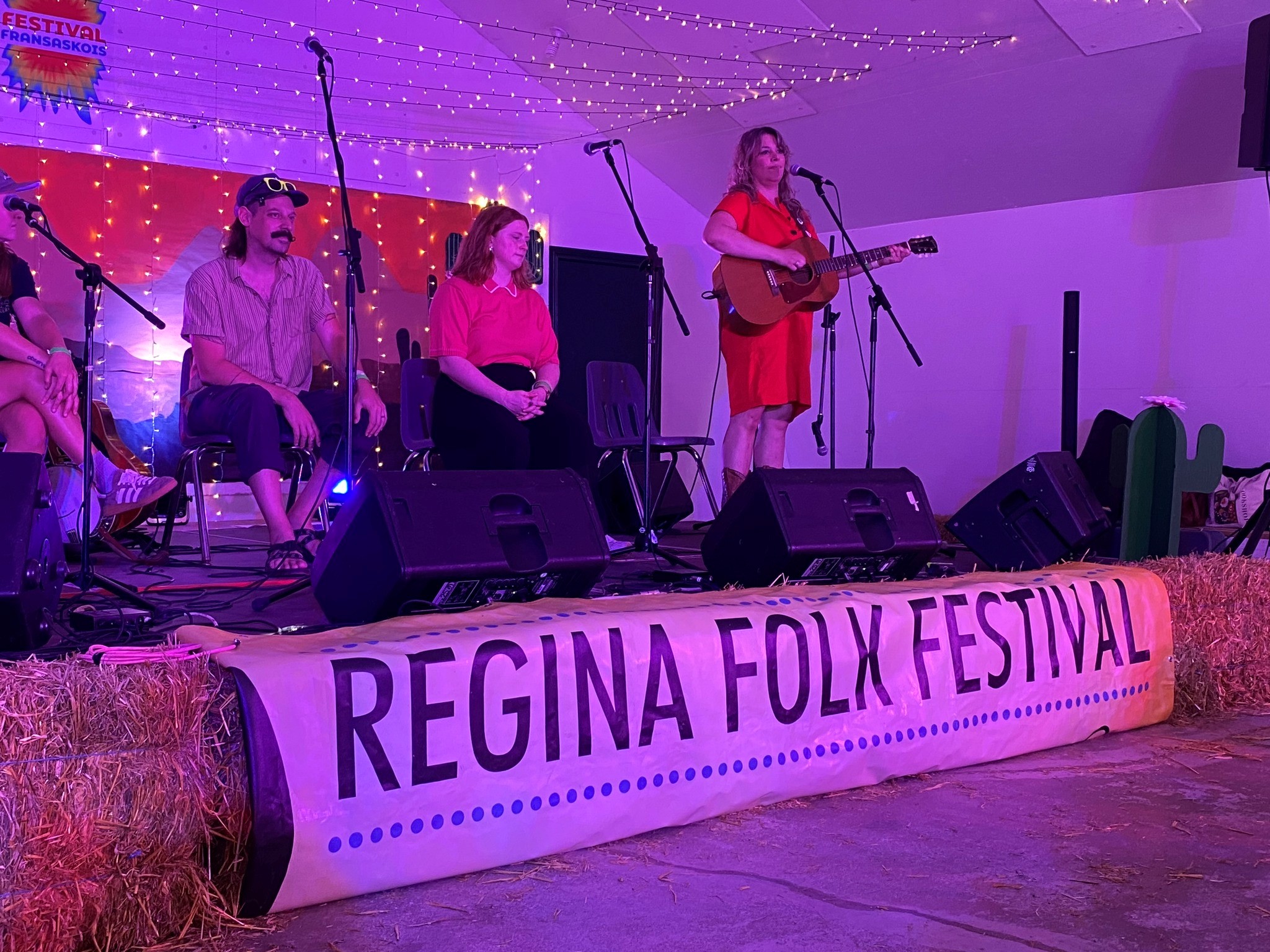
After 55 incredible years, the Regina Folk Festival has officially come to an end. And while the official statement from the board blames financial struggles, ticket sales, and the lingering effects of the pandemic, there’s no sugarcoating it—this is a massive loss for the city, the music scene, and the community.
The festival wasn’t just another event on the summer calendar. It was a cultural institution, a gathering place for music lovers, a launchpad for artists, and an economic boost for Regina. People didn’t just attend for the music; they came for the atmosphere, the shared experience, the sense of belonging. It was about standing in the crowd, feeling the warm summer air, and letting live music wash over you alongside thousands of others who were just as passionate about the moment.
Local musician Jeffery Straker summed it up perfectly—he owes much of his audience to the Regina Folk Festival. And he’s not alone. For so many artists, this festival was a gateway to new fans, new opportunities, and even new careers. When you take away something as impactful as this, it doesn’t just affect the festival organizers; it affects musicians, vendors, sound techs, volunteers, and all the businesses that benefited from the influx of visitors.
And let’s be clear: Regina isn’t the only city losing its beloved festival. Music industry expert Eric Alper points out that hundreds of festivals across North America have folded in recent years. The costs of running large-scale events have skyrocketed, while funding sources have either dried up or failed to keep pace with inflation. In the wake of the pandemic, many festivals had to pause, and as Straker put it, stopping a train is one thing—starting it up again is a whole different challenge.
What’s most frustrating is that this isn’t just a loss for music fans; it’s a loss for the entire city. Festivals like this aren’t just about entertainment—they bring in tourism dollars, create jobs, and build a sense of community pride. Every visitor who would have come to Regina in August for the festival won’t be staying in a local hotel, eating at a local restaurant, or shopping at a local store. The ripple effect of this cancellation will be felt far beyond the music scene.
It’s understandable that running a festival in today’s economic climate is an uphill battle. But it still stings. It feels like we’re losing something bigger than just a weekend of music—we’re losing a part of what made Regina special every summer.
For now, we’re left with memories, with the echoes of past performances, and with the hope that maybe, someday, the Regina Folk Festival can rise again. Because if there’s one thing music has always taught us, it’s that nothing is ever truly over—there’s always a chance for an encore.