When the Dollar Store Becomes the Grocery Store, the Economy Is Sending a Message
Manjit Sing
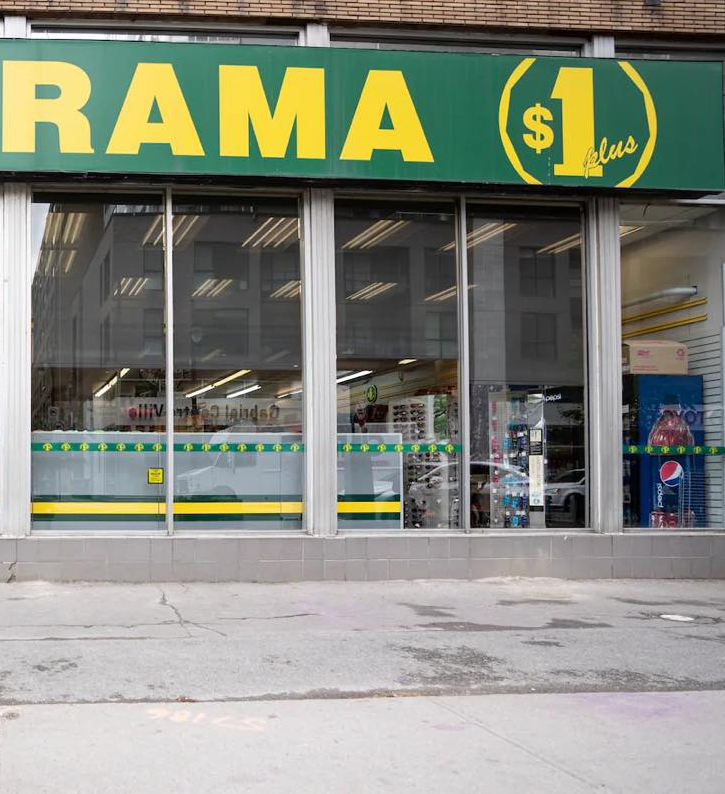
If Dollarama’s latest earnings are any indication, Canadians aren’t just bargain-hunting they’re adapting to an economy that’s making everyday life more expensive and less predictable.
Sales at Dollarama jumped more than 20 per cent in the company’s third quarter, reaching nearly $1.9 billion. On paper, that’s a corporate success story. In reality, it’s also a reflection of household stress. When a discount retailer thrives during inflationary times, it’s not because people suddenly enjoy shopping in brighter aisles it’s because they have to.
Dollarama’s growth is being driven by demand for consumables: food items, toiletries, and fast-moving household essentials. These aren’t impulse buys or seasonal splurges. They’re base needs. Soap, shampoo, canned food and snacks have become battleground items where consumers scrutinize every dollar. That shift alone tells us plenty about the state of Canadian wallets.
The company’s expansion 19 new stores in Canada and six in Australia signals confidence from management, but also confirms what many Canadians already feel in their daily routines: discount shopping is no longer occasional, it’s habitual. As Dollarama CEO Neil Rossy put it, the company has shown “resilience” in an unpredictable economy. Translation: people are tightening their belts, and Dollarama is positioned to catch the spillover.
Contrast this with the performance of traditional grocers like Empire, the parent company of Sobeys, FreshCo and Farm Boy. While Empire’s sales rose to $8 billion, profits slipped year over year. The company is still healthy by most measures, but the margin pressure highlights a larger trend consumers are trading convenience and variety for price.
Economist Mike von Massow sums it up plainly: inflation isn’t just about food anymore. It’s everywhere. When prices rise across categories, shoppers become less loyal and more strategic. Store-hopping, once seen as inconvenient, is now a rational survival tactic. Buy fresh items at a full-service grocery store, then swing by Dollarama for bread, canned goods, or snacks. It’s not about brand preference it’s about arithmetic.
Ironically, Dollarama’s lack of fresh produce may be part of its strength. Shelf-stable products mean less waste, lower overhead, and fewer losses from spoilage problems that traditional grocers constantly wrestle with. In uncertain times, efficiency matters more than ever.
Big grocery chains know this too. That’s why discount banners and aggressive promotions are becoming central to their growth strategies. Expect more “special offers,” more price-matching, and more emphasis on no-frills shopping experiences in the months ahead. The competition isn’t about luxury anymore; it’s about who can meet basic needs at the lowest cost.
Dollarama’s surge isn’t a sign of prosperity it’s a signal flare. It tells us Canadians are feeling squeezed, adjusting their habits, and redefining what “normal” shopping looks like. When the dollar store becomes part of the weekly grocery routine, the economy isn’t just unpredictable it’s personal.
And for many Canadians, saving a few extra bucks isn’t a choice. It’s a necessity.