Toronto’s Housing Market Is Stirring, But Don’t Call It a Boom Yet
Taslima Jamal
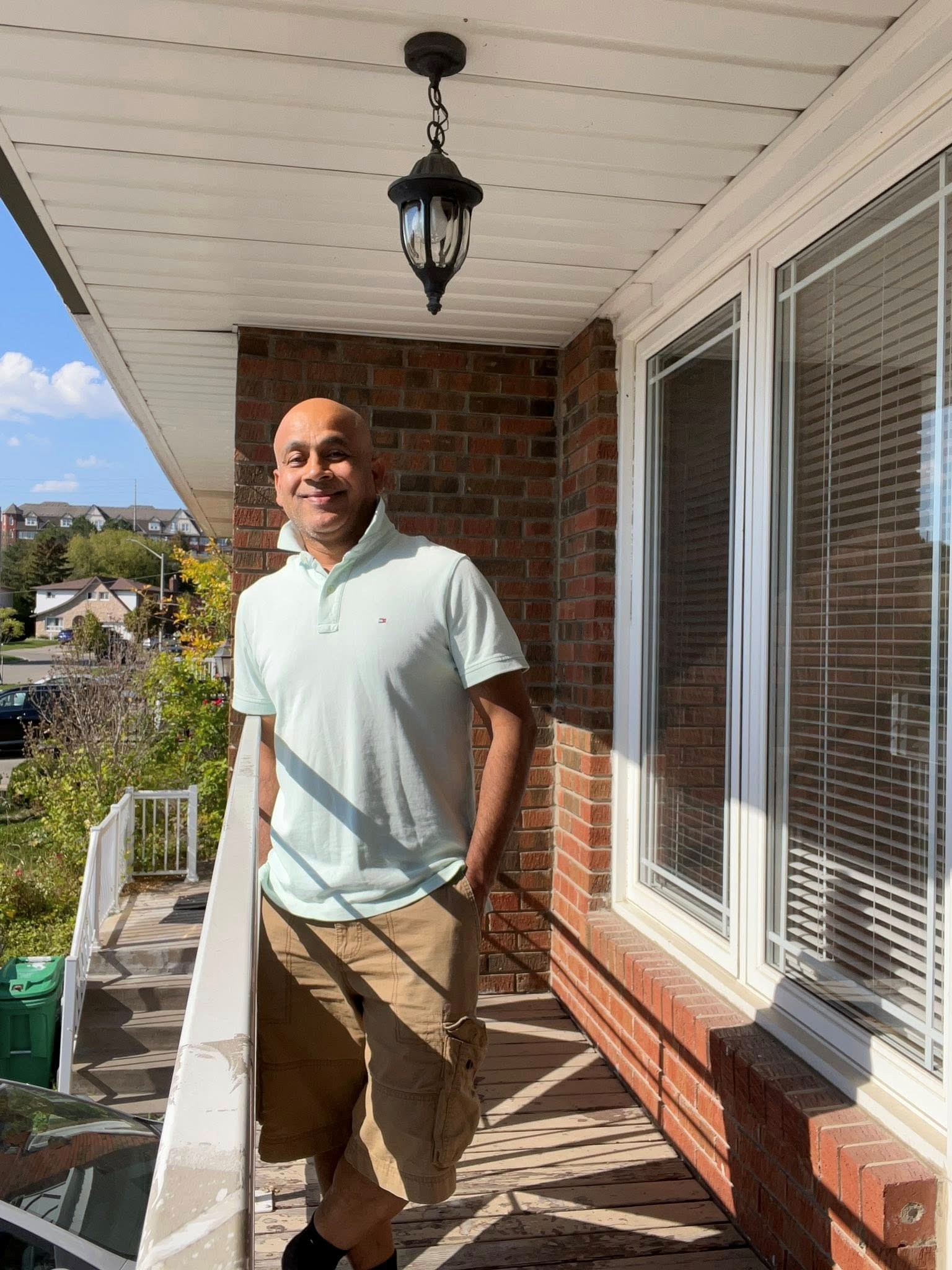
Toronto’s real estate market finally showed some signs of life this September, but let’s not pop the champagne just yet. Yes, home sales are climbing again, but the numbers also reveal a more complicated story one of cautious optimism rather than a full-on recovery.
The latest data from the Toronto Regional Real Estate Board (TRREB) shows that 5,592 homes were sold in September up a healthy 8.5% compared to the same time last year. Even on a month-to-month basis, sales inched up by 2%. After months of sluggish activity, that rise feels like a breath of fresh air for agents, buyers, and sellers alike.
The spark behind this uptick is no mystery: the Bank of Canada’s decision to finally trim its benchmark interest rate by 0.25 percentage points to 2.5% in mid-September. For many would-be buyers, especially first-timers who’ve been priced out for years, lower borrowing costs make all the difference. As TRREB president Elechia Barry-Sproule put it, “more households are now able to afford monthly mortgage payments on a home that meets their needs.”
But here’s where the story gets interesting: even as sales rose, prices continued to soften. The average selling price in September dropped 4.7% year-over-year to $1,059,377. The composite benchmark price slipped even further, down 5.5%. This isn’t the price surge that typically accompanies a market rebound. Instead, it suggests that buyers are stepping in more cautiously, and sellers are finally becoming a little more realistic.
Inventory is another piece of the puzzle. New listings were up nearly 4% from last year, and active listings surged almost 19%, meaning more homes are sitting on the market. That gives buyers a bit more negotiating power than they’ve had in recent years a welcome shift after the intense bidding wars that defined the pandemic era.
Across the GTA, all property types saw sales gains. Semi-detached homes led the way with an 11% jump in sales, followed by detached houses (up 9.6%) and condos (up 7.2%). Even townhouses saw a modest 4.4% increase. Notably, sales within the City of Toronto itself rose 13.2%, outpacing the rest of the region.
Still, TRREB officials are clear-eyed about where things stand. “While home sales have improved over the past year, they still remain below normal levels relative to the number of households in the GTA,” said Jason Mercer, the board’s chief information officer. In other words, we’re recovering, but slowly.
More rate cuts could accelerate that recovery. TRREB is openly hinting that two more quarter-point cuts from the Bank of Canada could bring mortgage payments more in line with incomes, potentially unleashing more pent-up demand. That’s a big “if,” though, and depends heavily on how inflation behaves over the coming months.
For now, Toronto’s housing market seems to be shifting from a deep freeze to a cautious thaw. Buyers are testing the waters again, sellers are adjusting their expectations, and policymakers are loosening the monetary screws ever so slightly.
This isn’t a boom. It’s the beginning of a fragile balancing act one that could either set the stage for a more sustainable market or, if mishandled, send us back into another period of volatility.
September’s numbers are encouraging, but the market’s recovery is still in its early days. Toronto real estate may be waking up, but it’s rubbing its eyes, not running a marathon.


![Three smiling women sit on a colorful padded floor, posing with a large sign that reads Canada Child Benefit and its French translation, in a community setting with a pillow saying This Classroom Runs on Kindness nearby.]','Three women pose for a group photo indoors, holding a white board about the Canada Child Benefit and its French equivalent, with colorful circles in the design and a kindness-themed cushion nearby.'] }``` Wait formatting wrong. We must provide proper JSON. Let's craft properly. Provide 5 options. Ensure no stray quotes. Let's produce proper JSON. Use single quotes in descriptions? Must be double quotes. I'll provide array of strings. Ensure no stray characters. Let's do. } For safety. Let's output.} Let's craft final.} Wait earlier included typos. Let's deliver.]]>](https://www.thesouthasiajournal.com/wp-content/uploads/2026/07/12-2-390x220.jpg)