Ontario is sitting on a problem that could easily become a solution.
Right now, roughly $80 million worth of American alcohol is locked away in LCBO storage facilities, pulled from shelves back in March when Premier Doug Ford responded to U.S. President Donald Trump’s tariffs on Canadian goods. Of that stockpile, about $2 million worth could expire within six months turning a political statement into a financial and moral waste.
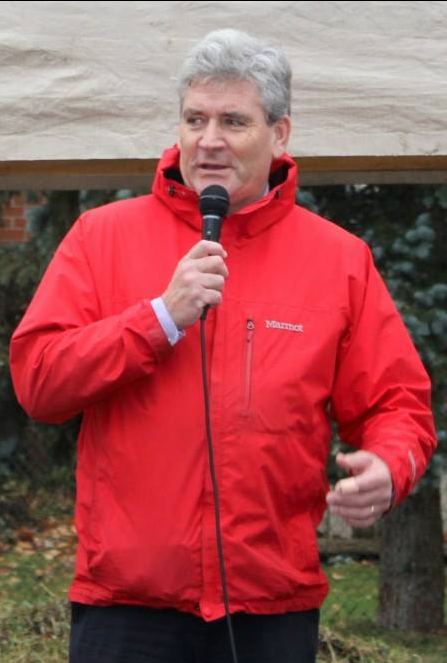
Liberal parliamentary leader John Fraser’s suggestion that the Ford government sell the stored American booze and donate the proceeds to food banks is not only practical, it’s humane. Food insecurity is rising across the province. Families are lining up at food banks in record numbers while perfectly sellable products sit behind locked warehouse doors, gathering dust.
The original decision to pull U.S. alcohol from LCBO shelves made sense as a symbolic response to unfair tariffs. It sent a message. That message has already been delivered loudly. Keeping the booze in storage indefinitely doesn’t strengthen Ontario’s position; it weakens it. At some point, protest turns into stubbornness, and stubbornness turns into waste.
Other provinces have already shown a better way forward. Newfoundland and Labrador, Manitoba, and Nova Scotia have all announced plans to sell their American alcohol stockpiles for charity. They’ve managed to maintain their political stance and help people who are struggling. Ontario now risks looking out of step not just politically, but ethically.
The Ford government says it’s “exploring its options.” That exploration shouldn’t take long. Alcohol that expires helps no one. Alcohol sold to support food banks helps thousands. The choice isn’t complicated.
If the goal was to stand up for Ontario and Canadian workers, then using these products to fight hunger at home is a natural extension of that principle. Turning protest into purpose would show leadership, compassion, and common sense.
Sell the booze. Feed the people. Ontario can and should do both.