
Quebec is preparing to take another bold step in its long-running project of redefining secularism, but this time, the government seems determined to cross into territory that feels less like neutrality and more like cultural policing.
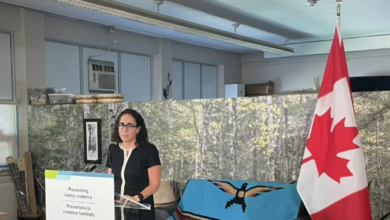
Secularism Minister Jean-François Roberge says the province “has advanced” since the passage of Bill 21 in 2019 and now needs tighter rules to keep religion out of the public sphere. But if this new legislation is truly about neutrality, why does it look so much like an expansion of state power into people’s personal lives?
When a government starts dictating what people can wear, how they can pray, and what food can be served in daycares, the line between secularism and social control becomes worryingly thin.
Roberge’s proposal dubbed “Secularism 2.0” is set to impose sweeping new restrictions: banning prayer rooms in public institutions, prohibiting post-secondary students from wearing full face coverings, and extending the religious symbols ban across the entire education system, from daycares to universities. Even private religious schools, which have long operated with public subsidies, will see new limits on what they can teach and when.
Some of these measures will strike many Quebecers as heavy-handed. For instance, forbidding subsidized daycares from offering menus based exclusively on religious traditions even by parental request feels less like promoting equality and more like policing identity. And banning public institutions from using images containing religious symbols, such as the hijab, borders on erasing entire communities from Quebec’s visual landscape.
Even more concerning is the proposed ban on prayer in public places, a move clearly prompted by tensions around Muslim prayers at pro-Palestinian demonstrations. Roberge calls it “shocking” and “provocative,” but the optics are unmistakable: the government is responding to political discomfort by restricting a religious practice that is already misunderstood and stigmatized.
Secularism should never be wielded as a tool to silence minority voices.
The province is even weighing the use of the notwithstanding clause again to shield the bill from constitutional scrutiny. When a government repeatedly turns to the notwithstanding clause, it signals not confidence, but fear that its policies cannot withstand legal or moral challenge.
Yes, Quebec has a unique history that fuels its desire for a secular state. Yes, the Quiet Revolution reshaped the province’s relationship with religion. But there is a vast difference between a secular government and a government that seeks to strip religion out of public life entirely.
Bill 21 was already a source of deep pain for many marginalized communities, particularly Muslim women. Now, with “Secularism 2.0,” Quebec risks reinforcing the message that only certain identities are welcome so long as they remain invisible.
Quebec has every right to protect neutrality in its institutions. But a society is not made more secular by restricting individual freedoms. It is made stronger by ensuring that public life is open, diverse, and respectful of all.
If this bill passes as described, it won’t mark progress. It will mark a step backward one that could leave Quebec more divided, less inclusive, and further removed from the values of fairness and equality it claims to defend.