Gas Prices Surge Ahead of Easter Weekend as Global Tensions Drive Costs Higher
Manjit Sing
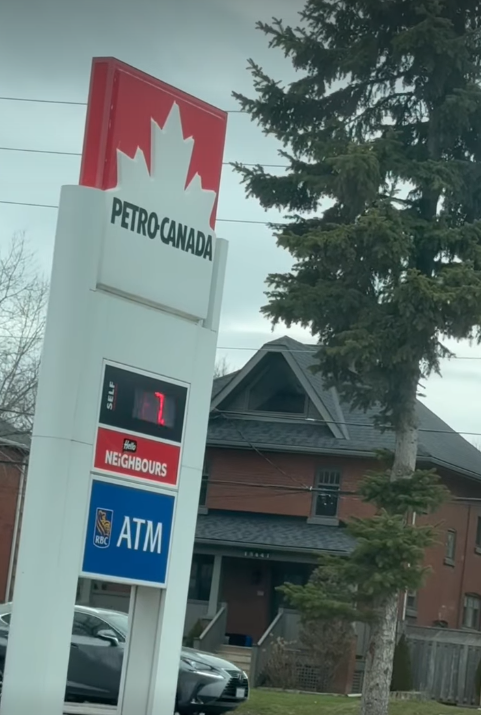
As Canadians prepare to travel over the Easter long weekend, many are facing a familiar frustration at the fuel pumps rising gas prices with little relief in sight.
Fuel costs have climbed sharply in recent days, largely driven by escalating global tensions following the war in Iran and disruptions in oil supply routes. Analysts warn that the situation could worsen before it improves, adding pressure on households already dealing with higher living expenses.
Patrick De Haan, a petroleum analyst at GasBuddy, noted that crude oil prices recently jumped by around 10 per cent, a spike that is already translating into higher gasoline prices across the country.
“Prices are likely to keep climbing through the weekend,” De Haan explained. “We’re already seeing the national average hover around $1.80 per litre, which is a significant increase compared to just a week ago.”
Diesel prices, which play a critical role in transportation and supply chains, are also expected to rise sharply. De Haan warned they could surpass $2.25 per litre in the coming days, potentially setting new records. The surge in diesel costs is particularly concerning because it affects everything from shipping goods to airfare, as jet fuel prices have nearly doubled.
While updated nationwide data for March is still pending from Statistics Canada, current figures from the Canadian Automobile Association indicate that gas prices have risen dramatically compared to early March, when prices were significantly lower.
The increases mark a stark contrast to February, when fuel costs were more manageable across most provinces. At that time, cities like Edmonton and Calgary enjoyed some of the lowest prices, while Vancouver and Victoria recorded higher rates due to regional factors and taxation.
Now, coastal regions such as British Columbia, Quebec, and the Atlantic provinces are experiencing the steepest increases. According to De Haan, these areas are more vulnerable because fuel can be easily redirected to international markets, forcing local buyers to compete globally.
“In coastal markets, fuel suppliers can ship products elsewhere if prices are better, which drives up costs domestically,” he said. “Inland regions like Alberta tend to be more insulated and are seeing comparatively smaller increases.”
At the heart of the issue is the disruption in the Strait of Hormuz, a critical global oil shipping route. Iran’s actions in the region have significantly reduced the flow of oil, creating uncertainty in global markets and pushing prices upward.
Compounding the problem, there has been little clarity from international leaders on how the situation will be resolved. The lack of a concrete plan to restore safe passage through the strait has left markets on edge, with analysts predicting continued volatility.
Although Canada is not directly involved in the conflict, its economy remains tied to global energy markets. As long as supply disruptions persist, Canadian consumers are likely to feel the impact.
“This situation is affecting the entire global economy,” De Haan said. “Until shipments can safely resume through the Strait of Hormuz, fuel prices will remain under pressure and that pressure will only increase over time.”
With no immediate solution in sight, Canadians heading out for the holiday weekend may need to brace for higher travel costs whether on the road or in the air.