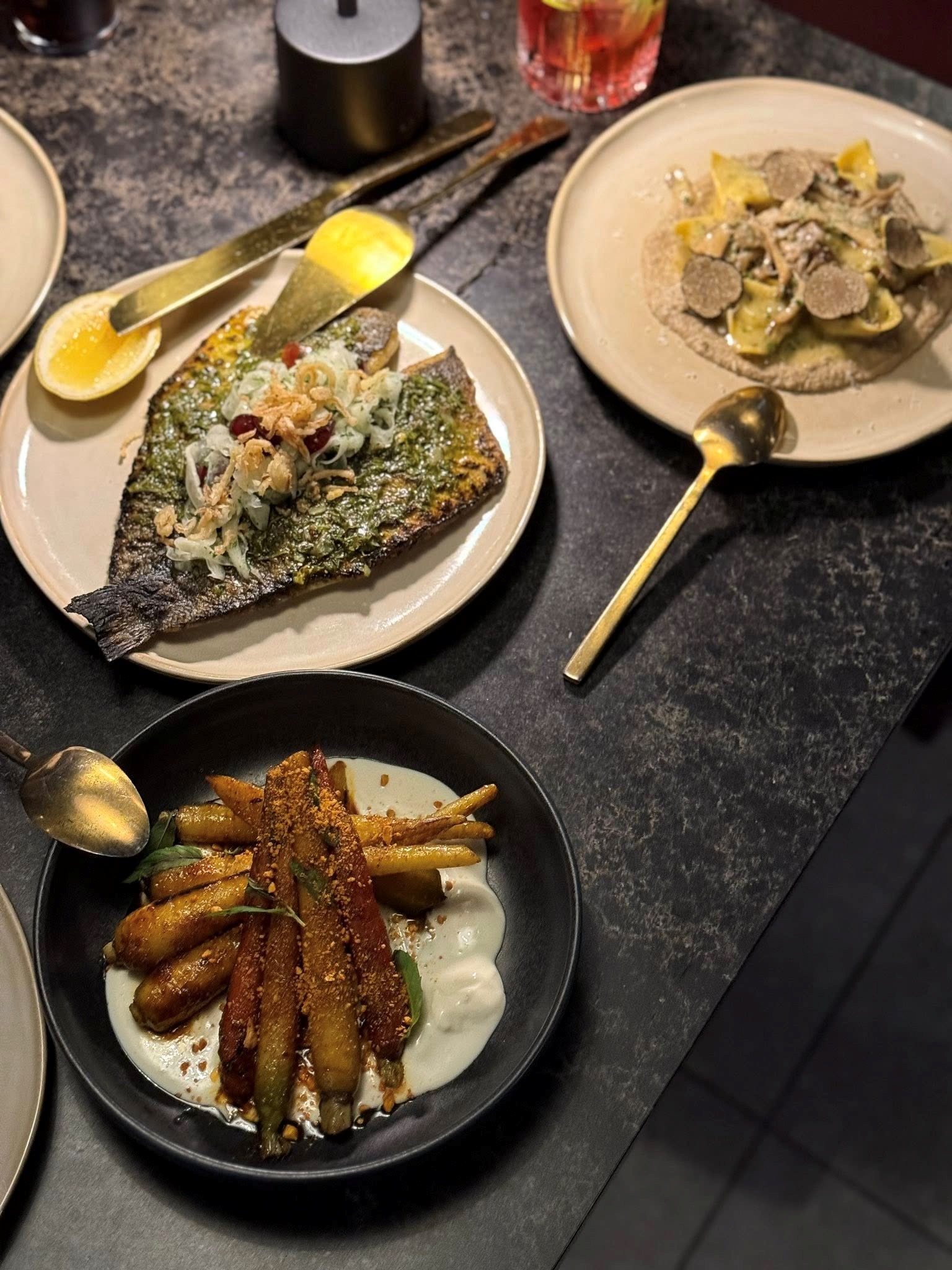
It’s no secret that the rising cost of living has been hitting Canadians hard. But a new report from Restaurants Canada lays it out in black and white: eating out has quietly shifted from being a regular part of life to a treat many can no longer justify.
According to the 2025 Foodservice Facts report, three out of four Canadians are dining out less often, and the number climbs even higher to 81 per cent among younger Canadians between 18 and 34. That’s not just a small dip in traffic; that’s a full-blown cultural shift.
Restaurants, especially full-service ones, are bearing the brunt of this. Back in 2019, Canadians spent slightly more at sit-down restaurants than at quick-service spots. Today, the tables have turned. People are spending less overall, and when they do go out, they’re gravitating toward cheaper, faster options. It’s easy to see why: when budgets are tight, grabbing a burger or a burrito feels more manageable than sitting down for a full meal with tip and tax.
Younger generations are also changing how they eat. The report shows millennials and Gen Z are more likely to replace full meals with snacks, sometimes weekly. That’s not just about preference it’s about affordability. Meanwhile, baby boomers, who may have more financial stability, are less likely to cut corners on meals.
The delivery economy is another piece of the puzzle. Nearly two-thirds of Canadians have ordered food delivery in the past six months, with Gen Z leading the charge. But even here, the story isn’t about indulgence it’s about convenience colliding with cost. Delivery fees and markups sting, yet people still lean on it, especially as work-from-home and hybrid models blur the lines between eating in and dining out.
And then there’s drinking. Forty-one per cent of Canadians reported they’re consuming less alcohol. Again, this isn’t just about health trends it’s also about cost. A glass of wine or pint of beer at a restaurant can easily add $10–$15 to a bill. For many, that’s a luxury that simply doesn’t fit anymore.
The big picture? Canadians haven’t fallen out of love with restaurants they’ve fallen out of step with the prices. The appetite to dine out is still there, but people are chasing value above all else. Operators, already squeezed by rising food and labour costs, are stuck between trying to keep doors open and trying not to scare away diners with higher prices.
If this trend continues, eating out may increasingly be treated like going to the movies or a concert: an occasional experience rather than a regular habit. That’s not just a problem for restaurants it’s a cultural shift in how Canadians connect, celebrate, and even take breaks from the grind of daily life.
For now, the message from Canadians is clear: dining out is no longer routine. It’s becoming a luxury.


![Three smiling women sit on a colorful padded floor, posing with a large sign that reads Canada Child Benefit and its French translation, in a community setting with a pillow saying This Classroom Runs on Kindness nearby.]','Three women pose for a group photo indoors, holding a white board about the Canada Child Benefit and its French equivalent, with colorful circles in the design and a kindness-themed cushion nearby.'] }``` Wait formatting wrong. We must provide proper JSON. Let's craft properly. Provide 5 options. Ensure no stray quotes. Let's produce proper JSON. Use single quotes in descriptions? Must be double quotes. I'll provide array of strings. Ensure no stray characters. Let's do. } For safety. Let's output.} Let's craft final.} Wait earlier included typos. Let's deliver.]]>](https://www.thesouthasiajournal.com/wp-content/uploads/2026/07/12-2-390x220.jpg)