Dealers Wary as Federal EV Rebate Program Relaunches Amid Unresolved Payment Disputes
Patrick D Costa
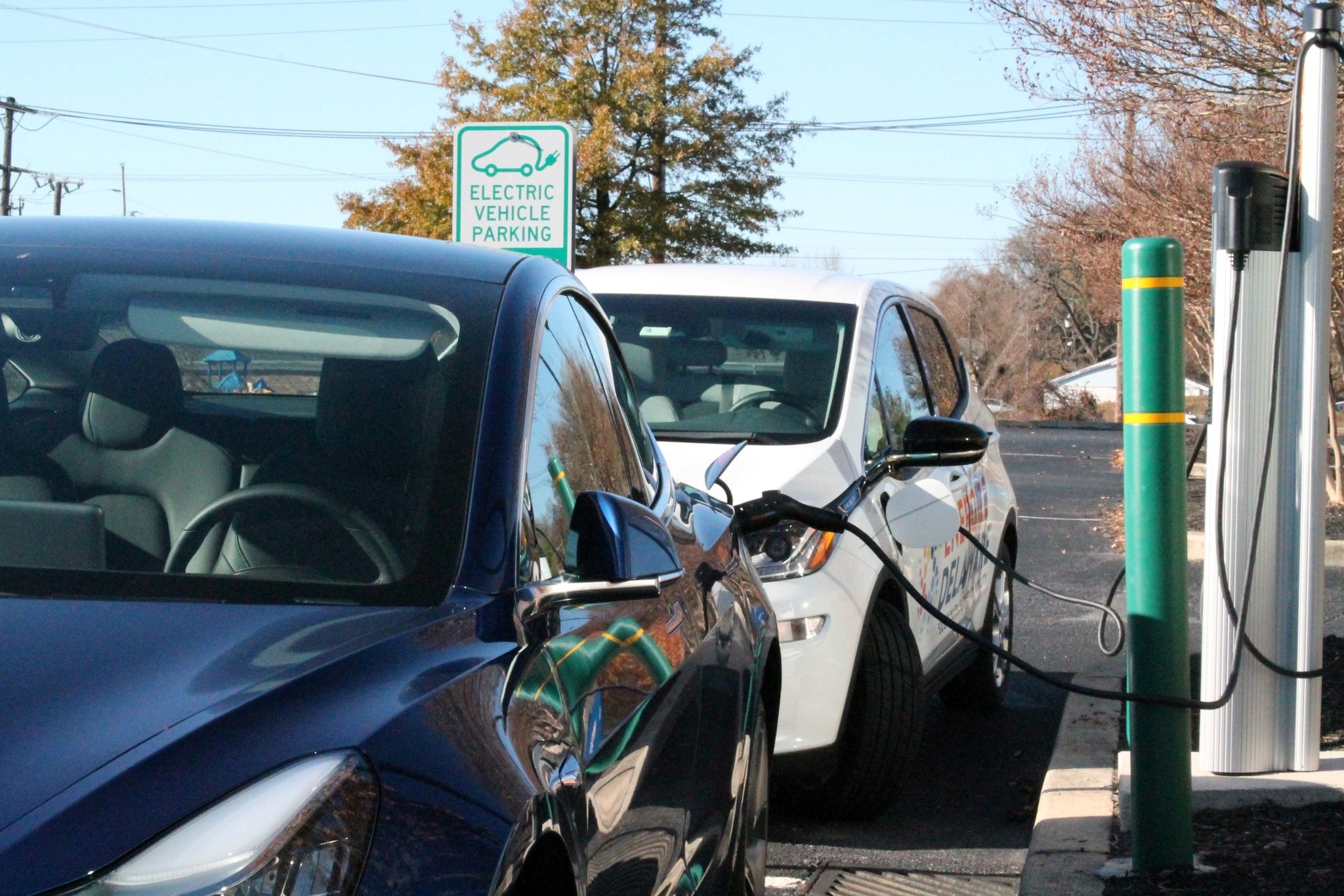
Canada’s federal electric vehicle (EV) rebate program officially returns today, offering consumers up to $5,000 toward the purchase of eligible new electric vehicles priced under $50,000 and $2,500 for plug-in hybrids. While the revived incentive is expected to boost EV sales nationwide, some auto dealers say lingering reimbursement issues from the previous program have left them cautious.
Under the incentive structure, dealerships apply the rebate directly at the point of sale and later seek reimbursement from the federal government. However, with the new claims portal not scheduled to open until April, some retailers are uneasy about fronting thousands of dollars once again.
Dean Woods, sales manager at a Kia dealership in Grimsby, Ontario, said his dealership remains short $20,000 from the previous program. The outstanding amount relates to four EV sales made in 2024 for which reimbursement was never received.
According to Woods, the issue went unnoticed until recently, when the dealership realized it had not been compensated. After contacting Transport Canada and submitting supporting documentation, he was informed that the claims had not been properly received due to errors in the submission forms. Because the program had already ended, officials said the claims could not be resubmitted.
In a letter shared with The Canadian Press, Transport Canada indicated that the dealership never received confirmation numbers for the submissions and that the claims were not recorded in the iZEV system. The department stated that if the program were still active, the dealership could have resubmitted the claims. However, since the initiative had closed, reimbursement was no longer possible.
Woods described the situation as concerning, adding that he intends to monitor every new claim closely under the relaunched program.
The Canadian Automobile Dealers Association (CADA) has also raised concerns. Huw Williams, a spokesperson for the association, noted that dealerships effectively act as intermediaries by advancing government rebate funds to customers. He emphasized that dealers are small, independent businesses and not equipped to absorb significant financial losses.
Williams said several dealers have approached CADA regarding unpaid claims. In some cases, submissions made on their behalf were rejected. Others are hesitant to pursue reimbursement, believing their chances of success are slim.
He argued that with the federal government allocating $2.3 billion to the renewed incentive program, it should resolve outstanding disputes from the previous initiative. “If we’re restarting this program, it should begin in good faith,” Williams said, adding that dealers who advanced rebate funds deserve to be made whole.
The original EV rebate program ran from 2019 until early 2025, when it was paused in January after funding was exhausted. Transport Canada briefly reopened the portal last summer for one month to allow dealers to submit pending claims.
In a statement, department spokesperson Flavio Nienow said all eligible claims submitted either before the pause or during the temporary reopening were processed and paid. He also noted that while a small number of dealerships had previously reported technical difficulties with the portal, no issues were raised during last summer’s administrative window.
Transport Canada did not immediately respond to further questions regarding cases involving submission errors that prevented claims from being officially recorded.
As the program resumes, the rebate is expected to stimulate EV demand across the country. However, for some dealerships, confidence in the reimbursement process remains unsettled.