China Pauses Planned Tariffs on Canadian Farm and Seafood Exports After Leaders’ Meeting
Manjit Sing
China is stepping back from a series of steep tariffs it had planned to impose on Canadian agricultural and seafood products, offering a measure of relief to exporters and signalling a possible thaw in trade relations between the two countries.
In a statement issued by its finance ministry, Beijing confirmed that it will not move ahead with 100 per cent tariffs on Canadian canola meal and peas, nor the 25 per cent duties that had been set to hit lobsters and crabs. The suspension will take effect March 1 and remain in place until the end of 2026.
Notably, the announcement made no reference to tariffs on canola seed, leaving some uncertainty for farmers who rely heavily on exports to the Chinese market.
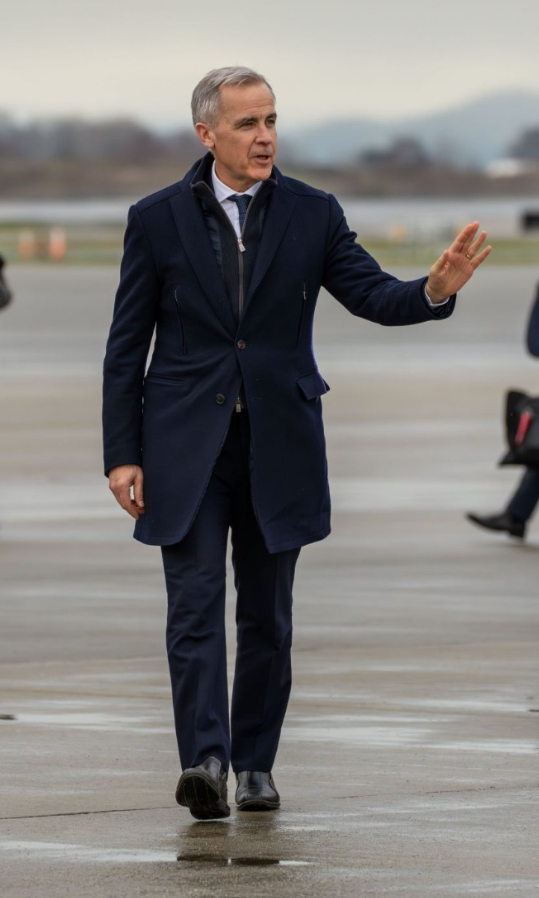
The decision comes in the wake of Prime Minister Mark Carney’s recent visit to China, where he met with President Xi Jinping in talks aimed at improving economic ties. During that visit, the two leaders reached an agreement covering both electric vehicles and canola trade a deal seen as a key step toward stabilizing a relationship that has faced strain in recent years.
Under the arrangement, Canada agreed to allow the import of up to 49,000 Chinese electric vehicles annually at a reduced tariff rate of 6.1 per cent. In exchange, China committed to easing duties on Canadian canola seed.
For Canadian producers, especially those in the agriculture and seafood sectors, the suspension of the additional tariffs removes what could have been a major financial blow. China remains one of Canada’s largest export markets for canola products and certain seafood items, making access to that market critical.
The Prime Minister’s Office has not yet issued a response to China’s latest announcement.
While questions remain about the long-term direction of trade relations between the two countries, the pause on tariffs suggests both sides are looking to create more stable ground for cooperation at least for now.