Canada is staring down one of its most challenging trade moments in recent years and instead of presenting a united front, our provinces seem to be pulling in different directions.
With U.S. President Donald Trump cranking up his trade offensive last week by slapping a hefty 35% tariff on certain Canadian goods outside the CUSMA deal, the pressure is on. And yet, the premiers of Ontario and Saskatchewan have staked out opposite corners in how they think Canada should respond.
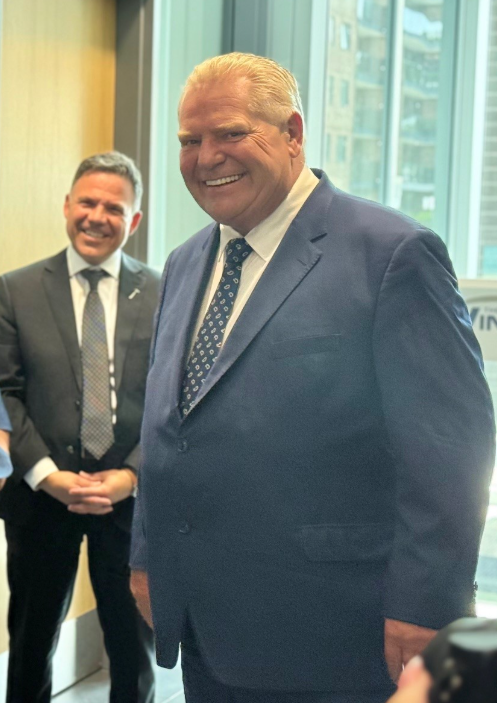
Ontario Premier Doug Ford’s stance is clear: fight fire with fire. His rallying cry for “dollar for dollar, tariff for tariff” echoes a tough-love philosophy one that assumes the Americans will only respect strength. His frustration is understandable. Ontario’s economy, deeply tied to U.S. markets, can’t afford to be a punching bag in this escalating trade war. Ford’s call for tax cuts, lower interest rates, and even scrapping the HST for homebuyers shows he’s thinking about stimulating the economy from multiple angles, not just retaliating.
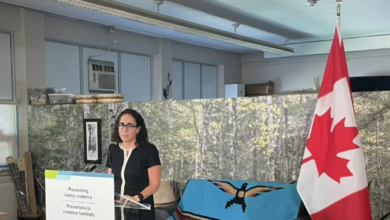
On the other side, Saskatchewan Premier Scott Moe is preaching de-escalation. Rather than matching tariffs blow for blow, Moe suggests it might be time to roll back some of Canada’s counter-tariffs arguing they often end up hurting our own industries just as much as they hurt the U.S. His point is pragmatic: most of our trade with the U.S. is still tariff-free under CUSMA, and in some cases, counter-tariffs risk being more self-destructive than strategic.
Both perspectives have merit. Ford’s hardline approach could send a signal that Canada won’t be pushed around, but Moe’s more conciliatory stance might prevent the kind of tit-for-tat spiral that leaves everyone worse off.
Here’s the real problem: these aren’t just casual disagreements. Publicly divided messaging from Canadian leaders plays right into Washington’s hands. A fractured response weakens our bargaining position and risks undermining Prime Minister Mark Carney’s efforts to secure a fair trade deal.
The truth is, Canada can’t afford to be at odds right now. Whether we go in swinging or choose the diplomatic off-ramp, we need to pick a lane together. Tariffs are as much about psychology as economics, and if the U.S. senses division, they’ll exploit it.
In this trade war, unity isn’t just an ideal. It’s a negotiating weapon. And unless our premiers and Ottawa start pulling in the same direction, we may find ourselves paying a much higher price than any 35% tariff.