Canada-U.S. Travel Drops Sharply as Trade War Tensions Reshape Cross-Border Movement
Patrick D Costa
Canadian travel to the United States has fallen to its lowest momentum in over a year, with new data from Statistics Canada revealing a 12.5 per cent drop in Canadian-resident return trips from the U.S. in February 2026 compared to the same month last year the 14th straight month of year-over-year decline.
The numbers paint a clear picture of shifting attitudes among Canadians, many of whom have quietly stepped back from cross-border travel since early 2025, when the Trump administration launched a trade war against Canada and the U.S. president began floating the idea of absorbing the country as the “51st state.” For many Canadians, the response has been personal and it’s showing up in the data.
Return trips by car fell 12.3 per cent to 1.2 million in February, while air travel told a similar story, with 749,500 return trips recorded down 12 per cent from February 2025. Meanwhile, Canadians aren’t staying home altogether. Return trips from countries other than the United States actually rose 6.8 per cent year-over-year, suggesting travellers are simply looking elsewhere.
Interestingly, the cooling sentiment appears to be largely one-sided. American arrivals into Canada climbed 5.9 per cent in February 2026, the second consecutive year-over-year gain. Automobile arrivals from the U.S. reached 830,700 up 6.8 per cent while air arrivals grew 4.8 per cent to 279,000. Whatever friction exists politically, it doesn’t seem to be keeping Americans from heading north.
Overseas visitors to Canada also showed strong momentum, with 338,100 international arrivals in February a 7.5 per cent jump from the year before. Visitors from China, Taiwan, and South Korea posted notable increases, while France, the United Kingdom, and Mexico led all overseas arrivals, together accounting for nearly a third of the total.
As Canadians begin planning summer travel, the landscape looks considerably more complicated than it did just a year ago and the headaches extend well beyond politics.
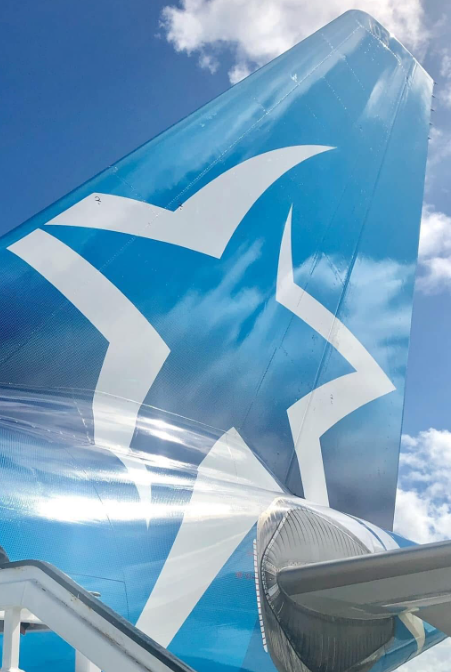
Air Transat announced this week it would be cutting six per cent of its scheduled flights between May and October, blaming surging jet fuel prices tied to the ongoing war in Iran. A total of 129 flights have been cancelled between June 20 and October 25. The airline also confirmed it is extending its suspension of flights to Cuba grounded due to a fuel crisis in that country all the way through October, with the carrier noting that Cuba’s situation accounts for much of the overall capacity reduction.
The fuel picture globally is troubling. Fatih Birol, executive director of the International Energy Agency, issued a stark warning that Europe may have only around six weeks of jet fuel remaining if oil supplies through the Strait of Hormuz stay blocked. He cautioned that flight cancellations could begin soon if the situation doesn’t improve a warning that will unsettle travellers and airlines alike heading into peak season.
WestJet, meanwhile, is passing some of the financial strain onto passengers. The Calgary-based carrier raised its baggage fees starting Thursday, citing what it described as “current global conditions” a phrase that, in the current climate, covers a great deal of ground.
Back on the ground, Canadians renewing travel documents are facing higher costs. Immigration, Refugees and Citizenship Canada announced on March 31 that passport and travel document fees would be increasing, with the government pointing to inflation and service delivery costs as the driving factors. The increases fall under the Service Fee Act.
There is, however, a meaningful counterbalance. As of April 1, the federal government introduced a mandate requiring full, automatic refunds of passport or travel document fees if an application takes longer than 30 business days to process. The policy came into effect immediately a small but significant accountability measure for a service that has historically frustrated Canadians during travel surges.
Taken together, the data and the headlines tell the story of a travel season in flux. Canadians are redirecting where they go, airlines are reshaping where they fly, and the familiar rhythms of summer travel are being rewritten by politics, by fuel markets, and by forces that, for now, show little sign of settling.