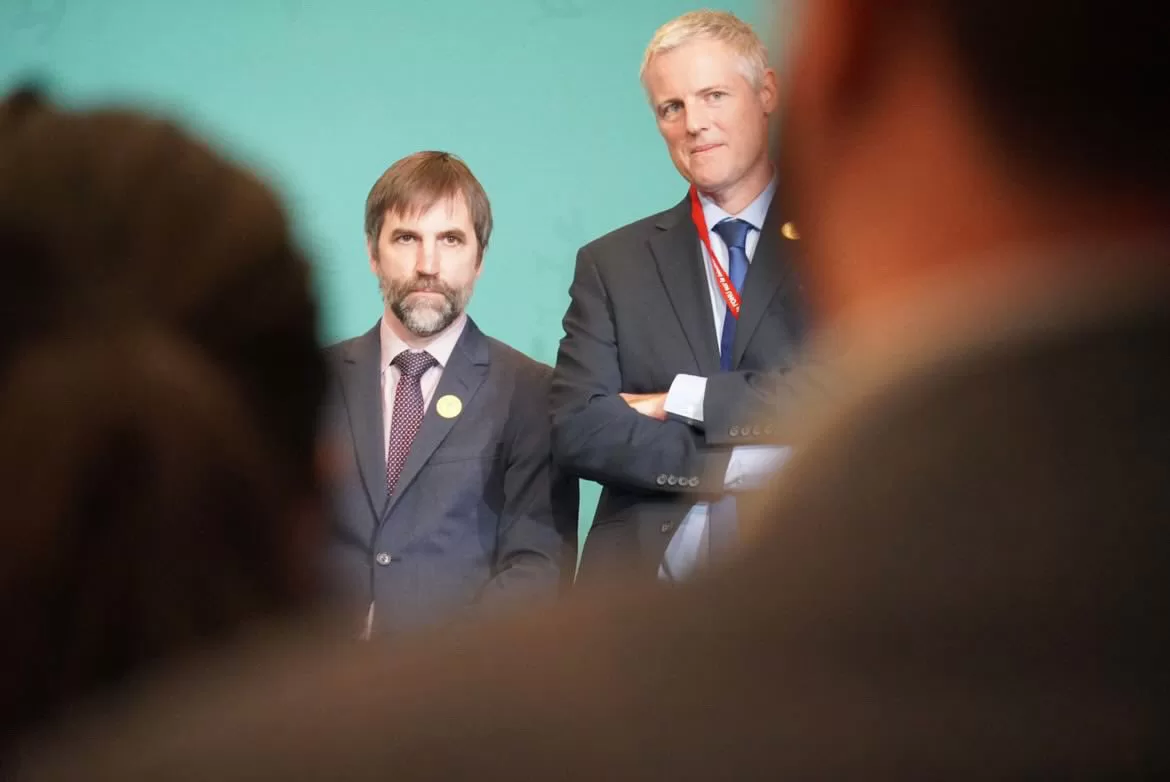
The climate minister of Canada announced on Wednesday that the country will contribute $450 million to the main UN fund to assist developing nations in coping with climate change.
Countries are getting ready for the UN COP28 climate negotiations this year with this pledge. The discussions on how to reduce CO2 emissions already have financial concerns hanging over them. Poorer nations claim that they are unable to do so without additional assistance to deal with the spiraling costs of disasters caused by climate change.
According to Steven Guilbeault, minister of the environment and climate, the commitment represents a fifty percent increase from its previous pledge to the UN Green Climate Fund.
He stated that the government would present a separate plan within a few weeks to eliminate domestic subsidies for fossil fuels that are referred to as “inefficient,” a term that can refer to those that promote wasteful consumption or hinder clean energy. That could also make more money available for eco-friendly options.
Guilbeault stated, “We need more money, and we need more money from all sources,” requesting assistance from other nations and the private sector.
The money is old. It comes from Canada’s climate finance pledge, which is currently worth $5.3 billion and will double in 2021.
Well off nations’ inability to convey guaranteed environment finance has fuelled doubt in exchanges on the most proficient method to handle environmental change. This year, rich nations are expected to fulfill a pledge to provide $100 billion in such funding, three years behind schedule.
In the face of worsening droughts, floods, and wildfires, as well as impacts on wealthier nations like Canada, which is on track for its worst-ever wildfire season, that pledge falls far short of the real needs of poorer nations.
Weak countries are seeking after different roads to open environment finance, including the Barbados-drove “Bridgetown Drive” to change multilateral money organizations.
However, some argue that the UN’s list of nations contributing climate finance ought to be updated as well, possibly to include China, the second-largest economy in the world. The UN list, which dates back to the 1990s, does not include China.
According to Guilbeault, this list’s expansion remained a “difficult conversation.” He didn’t mention any specific nations.
He stated, “There is not a great deal of openness, on the part of many who are not currently donors or serious donors, to ramp up their efforts.”