Alberta Invests $143 Million to Tackle Rising Classroom Complexity with New Support Teams
Patrick D Costa
The Alberta government is committing $143 million to introduce 476 new “complexity teams” in elementary schools across the province, aiming to provide stronger in-class support as student needs grow more diverse and demanding.
The announcement follows an extensive review of data gathered from approximately 89,000 classrooms in 1,549 schools. While average class sizes remain within provincial targets, officials say the data reveals a sharp rise in classroom complexity a term used to describe the range and intensity of student needs within a single class.
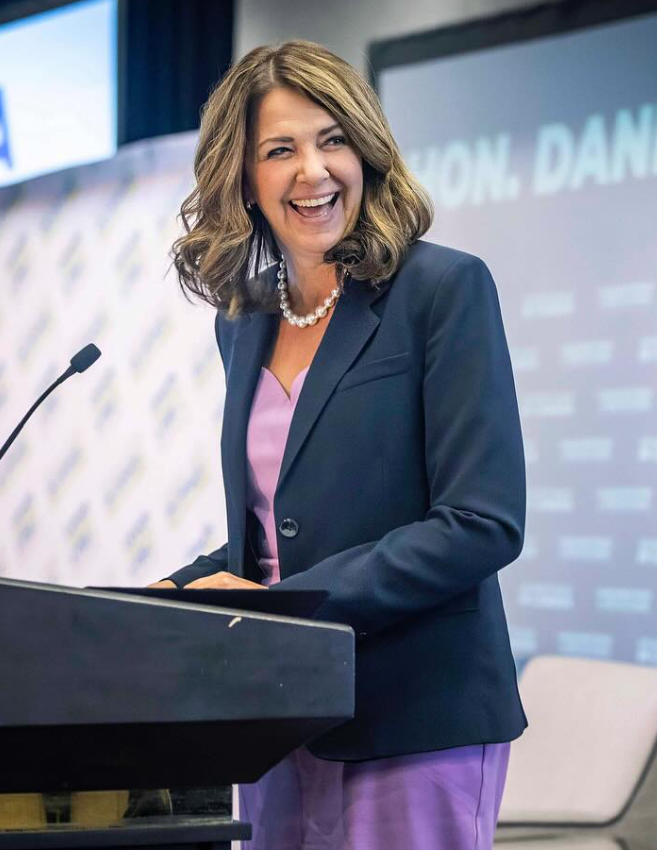
Premier Danielle Smith said the initiative reflects the government’s promise to rely on improved data collection when shaping education policy.
“We committed to using better information to guide our decisions, and this investment reflects exactly that approach,” Smith said in a statement Thursday.
Each complexity team will consist of one certified teacher and two educational assistants. These teams will work primarily in kindergarten through Grade 6 classrooms, offering tailored academic, behavioural, social and emotional support. Their role includes assisting students learning English, supporting those with mild to severe learning challenges, addressing disruptive behaviour and providing enrichment opportunities when needed.
Education and Childcare Minister Demetrios Nicolaides emphasized the importance of early intervention, noting that challenges addressed in the early years are less likely to escalate in later grades.
“By strengthening supports in elementary classrooms, we’re helping teachers manage increasingly diverse learning environments and ensuring more students receive the individual attention they need,” Nicolaides said.
Of the total funding, $129 million will be directed toward schools identified as having the highest levels of complexity. An additional $14 million will support schools facing unique circumstances that require alternative strategies.
More than half of the new teams will be deployed to metropolitan school boards. The Calgary School Division is slated to receive 118 teams, while the Calgary Catholic School Division will receive 53. In Edmonton, the public school division will receive 101 teams, and the Edmonton Catholic division will receive 42.
Lynnette Anderson, chief superintendent of Edmonton Catholic Schools, described the investment as a constructive step forward in addressing mounting classroom pressures.
According to data released through the Open Alberta platform, the province’s overall average class size is 25 students. Kindergarten to Grade 3 classes average 22 students, while Grades 4 to 6 average 25. Junior and senior high classrooms average 26 students. Rural schools report slightly smaller averages at 23 students per class, compared with 26 in urban and metro areas.
However, officials say class size tells only part of the story. Five per cent of Alberta classrooms are classified as high priority for complexity, while 36 per cent fall into the medium-priority category. A classroom is considered high complexity if it includes seven or more identified student-need categories.
These categories include students learning English as an additional language, those with mild or severe learning needs, individualized program plans, First Nations, Métis and Inuit students, gifted learners, refugees and students awaiting formal assessments.
The government says its Class Size and Complexity Cabinet Committee will continue analyzing data and collaborating with school boards to explore long-term solutions.
Provincial leaders argue that investing early in student support not only improves educational outcomes but may also reduce long-term costs associated with academic gaps and behavioural challenges in secondary school.
As Alberta classrooms continue to evolve, the province’s latest funding initiative signals a shift in focus from simply managing numbers to addressing the growing complexity behind them.