A New Tone from Ottawa: Why Mark Carney’s Collaborative Approach Matters for Saskatchewan
Logan D Suza
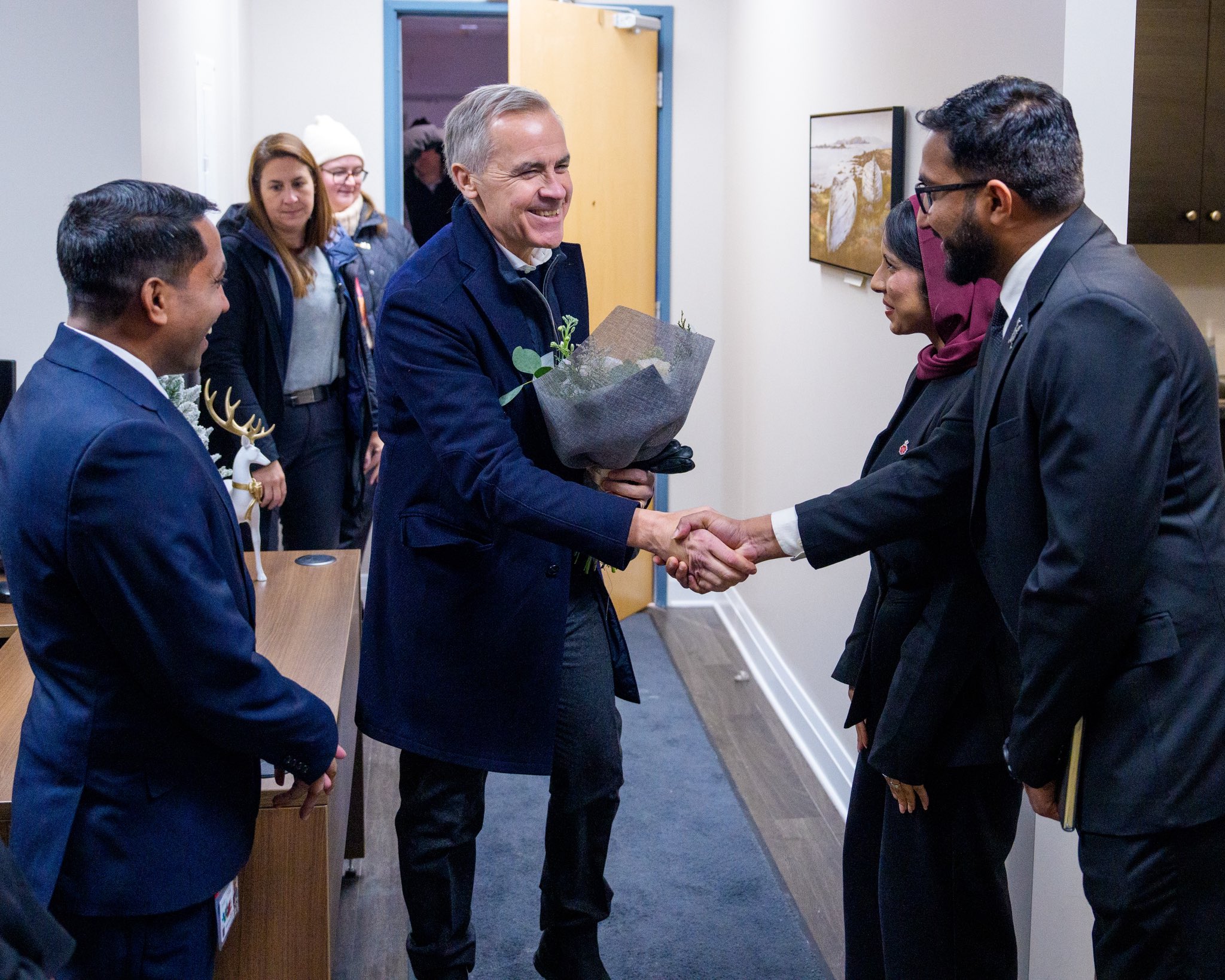
Politics is often as much about tone as it is about policy. For Saskatchewan, the past year has underscored just how much a shift in leadership style at the federal level can change the nature of provincial–federal relations. Premier Scott Moe’s recent comments suggest that Prime Minister Mark Carney’s arrival has marked a clear departure from the confrontational dynamic that defined much of the Trudeau era.
According to Moe, the difference is straightforward: consultation and collaboration have replaced imposition. Under former prime minister Justin Trudeau, Saskatchewan frequently found itself pushing back against federal policies particularly around carbon taxation and environmental regulations that the province felt were imposed without meaningful dialogue and at the expense of local industries. Those industries, Moe argues, are not abstract economic units but real job creators that sustain communities across the province.
With Carney in office, Moe says the relationship has improved noticeably. That doesn’t mean Saskatchewan suddenly agrees with Ottawa on everything. Far from it. But there is a growing sense that disagreements are now handled through conversation rather than confrontation. In an era defined by external pressures especially global trade uncertainty this change in tone matters.
Tariffs have been the dominant economic challenge for Saskatchewan over the past year. U.S. tariffs alone cost the province dearly, with forestry revenues down $121 million and the metal industry losing another $94 million. Add China’s tariffs on agricultural and canola products, which drained $136 million from that sector, and the scale of the problem becomes impossible to ignore. These are not isolated provincial issues; they are national economic concerns.
Moe’s point is that Saskatchewan’s challenges now more closely mirror Canada’s broader challenges. In that context, collaboration between Ottawa and the provinces isn’t just desirable it’s essential. Carney’s willingness to work with premiers, including the recently signed memorandum of understanding with Alberta Premier Danielle Smith, signals a more cooperative federal approach aimed at economic expansion rather than political brinkmanship.
The premier has also been consistent in his approach to U.S. President Donald Trump’s tariff threats, resisting calls for knee-jerk retaliation and instead focusing on dialogue. His multiple trips to the United States and ongoing engagement with American officials reflect a belief that relationships, built over years, still matter in trade negotiations. Moe has made it clear that this strategy won’t change if tariff threats intensify next year.
Looking ahead, the upcoming review of the Canada–U.S.–Mexico Agreement (CUSMA) looms large. Moe has emphasized the importance of maintaining a strong North American free trade framework, arguing that economic sovereignty across the continent is directly tied to broader security and stability. From his perspective, the best outcome for Saskatchewan and Canada is a renewed and updated tripartite agreement that strengthens economic ties from Mexico to Canada’s northern borders.
Ultimately, Moe’s assessment is cautiously optimistic. Saskatchewan, he believes, is in a better position than it was a year ago not because the challenges have disappeared, but because the federal government is approaching them differently. A “different prime minister,” as Moe puts it, has brought a different mindset.
In a time of global uncertainty, that shift toward collaboration may prove to be one of the most consequential changes of all.